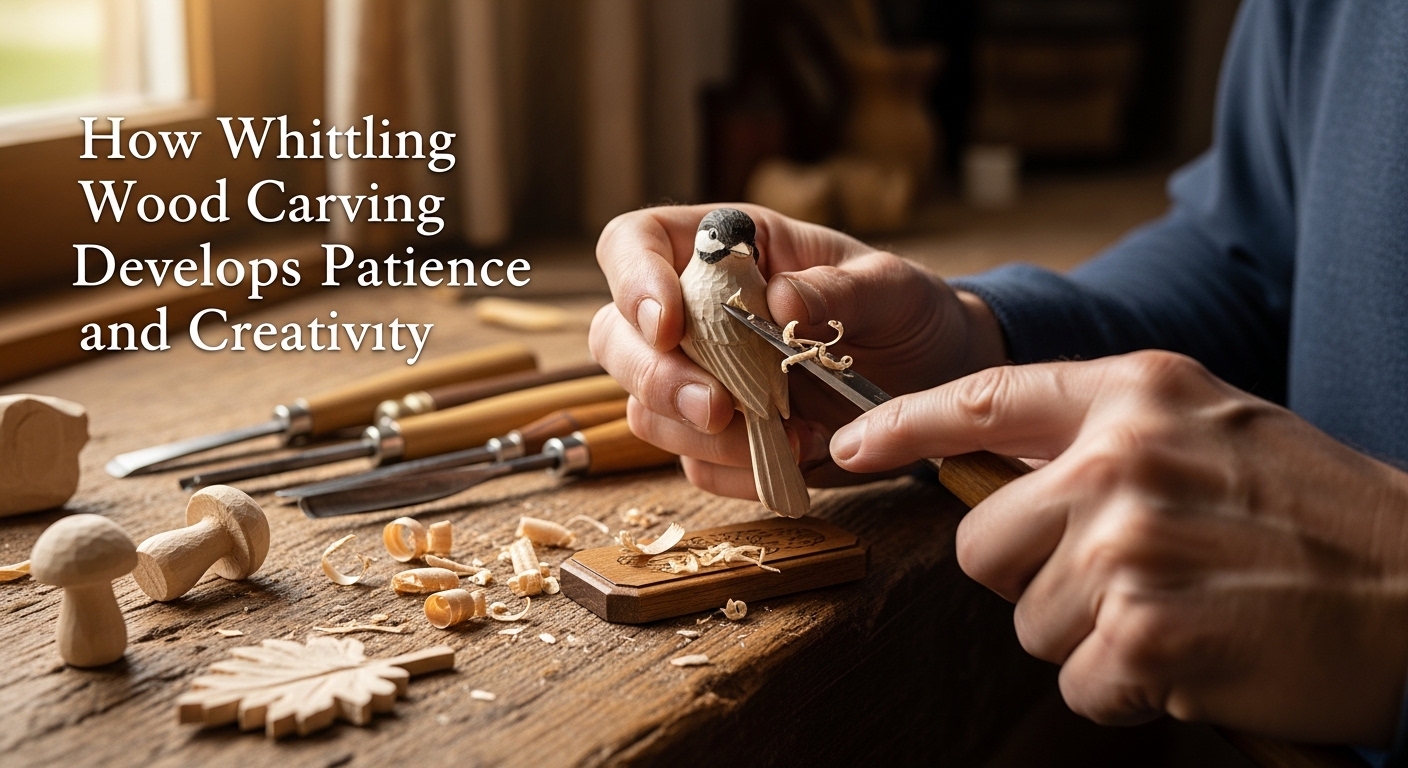
Whittling wood carving is a simple yet deeply rewarding craft that involves shaping wood using a knife to create decorative or functional objects. Unlike advanced woodworking techniques that require heavy tools and machinery, whittling focuses on minimal equipment, making it accessible to beginners and hobbyists alike. This wood carving hobby has been practiced for centuries and continues to attract people who enjoy working with their hands.
At its core, whittling is about removing small pieces of wood to gradually reveal a desired shape or design. Whether creating small figurines, utensils, or abstract forms, the process requires careful attention and steady control. Knife carving techniques allow artisans to transform ordinary wood into unique handmade crafts that reflect personal creativity.
One of the most appealing aspects of whittling wood carving is its simplicity. With just a sharp knife and a piece of wood, anyone can begin exploring this craft. However, mastering the skill takes time, patience, and dedication, making it both a relaxing and challenging creative activity.
Historical Background of Wood Carving
Wood carving is one of the oldest forms of artistic expression, dating back to ancient civilizations. Early humans used simple tools to carve wood into functional objects such as tools, utensils, and decorative items. Over time, wood carving evolved into a recognized craft with cultural and artistic significance.
In many cultures, wood carving was used to create religious symbols, architectural decorations, and traditional artwork. Skilled artisans developed intricate carving techniques that showcased their craftsmanship and creativity.
Whittling, in particular, emerged as a more informal and accessible form of wood carving. People often practiced whittling during leisure time, carving small objects while sitting outdoors or during travel. This relaxed approach made it a popular hobby among individuals of all ages.
Today, whittling wood carving continues to be appreciated as both a traditional craft and a modern hobby. It connects people with historical craftsmanship while allowing them to express their creativity in a personal way.
Tools and Materials Used in Whittling
Whittling wood carving requires only a few essential tools, making it an easy hobby to start. However, choosing the right tools and materials can significantly improve the carving experience.
The following table highlights common tools and materials used in whittling.
| Tool or Material | Purpose | Benefit |
|---|---|---|
| Carving knife | Primary tool for shaping wood | Provides control and precision |
| Soft wood (basswood, pine) | Material for carving | Easy to cut and shape |
| Safety gloves | Protects hands during carving | Reduces risk of injury |
| Sharpening stone | Maintains knife sharpness | Ensures clean cuts |
| Sandpaper | Smooths finished surface | Enhances appearance |
Soft woods are typically recommended for beginners because they are easier to carve. Basswood is especially popular due to its fine grain and smooth texture.
Maintaining a sharp knife is essential in knife carving. A sharp blade allows for cleaner cuts and reduces the effort required, making the carving process safer and more efficient.
Techniques and Skills in Knife Carving
Whittling involves a variety of techniques that help shape wood into desired forms. Basic techniques include push cuts, pull cuts, and slicing motions. Each technique is used for different types of cuts and levels of detail.
Push cuts involve applying controlled pressure to move the knife forward into the wood, while pull cuts draw the blade toward the carver. Slicing cuts are used to remove thin layers of wood, creating smooth surfaces and fine details.
As beginners practice these techniques, they gradually develop better control over the knife and improve their ability to shape wood accurately. Learning how to follow the natural grain of the wood is also important, as cutting against the grain can cause splitting or rough surfaces.
Advanced whittlers often create detailed designs such as facial features, patterns, and textures. These intricate carvings require steady hands and careful observation, making knife carving both a technical and artistic skill.
With time and practice, hobbyists can experiment with different styles and designs, turning simple pieces of wood into expressive works of art.
Role of Patience and Creativity in Whittling
Whittling wood carving is a craft that naturally develops patience. Unlike activities that produce immediate results, whittling requires gradual progress. Each cut contributes to the final shape, and rushing the process can lead to mistakes.
The slow and deliberate nature of whittling encourages mindfulness. Carvers must focus on each movement of the knife, paying attention to detail and maintaining control. This focus helps create a calming and meditative experience.
Creativity also plays a significant role in whittling. While some projects follow patterns or templates, many artisans prefer to carve freehand designs. This approach allows them to express their imagination and develop unique handmade crafts.
Whittling also encourages problem-solving skills. Carvers often adapt their designs based on the shape and characteristics of the wood. This flexibility helps develop creative thinking and adaptability.
As individuals continue practicing, they gain confidence in their abilities and explore more complex designs, further enhancing their creative skills.
Benefits of Whittling as a Hobby
Whittling wood carving offers numerous benefits beyond the creation of handmade crafts. One of the most notable advantages is stress relief. The repetitive and focused nature of carving helps individuals relax and disconnect from daily pressures.
The hobby also improves hand-eye coordination and fine motor skills. Precise knife movements require coordination and control, which develop over time with practice.
Whittling can also be a social activity. Many hobbyists join carving groups or workshops where they share techniques, ideas, and experiences. These communities provide support and inspiration for both beginners and experienced carvers.
Another benefit is the sense of accomplishment that comes from creating something by hand. Completing a carving project, no matter how small, provides a rewarding feeling of achievement.
Additionally, whittling encourages appreciation for natural materials. Working with wood helps individuals understand its texture, grain, and unique characteristics, fostering a deeper connection with nature.
Final Thought
Whittling wood carving is a timeless craft that combines patience, creativity, and practical skill. Through knife carving and the creation of handmade crafts, individuals can explore their artistic potential while enjoying a relaxing and meaningful hobby. As a wood carving hobby, whittling continues to inspire people to develop creative skills and appreciate the beauty of transforming simple materials into unique works of art.