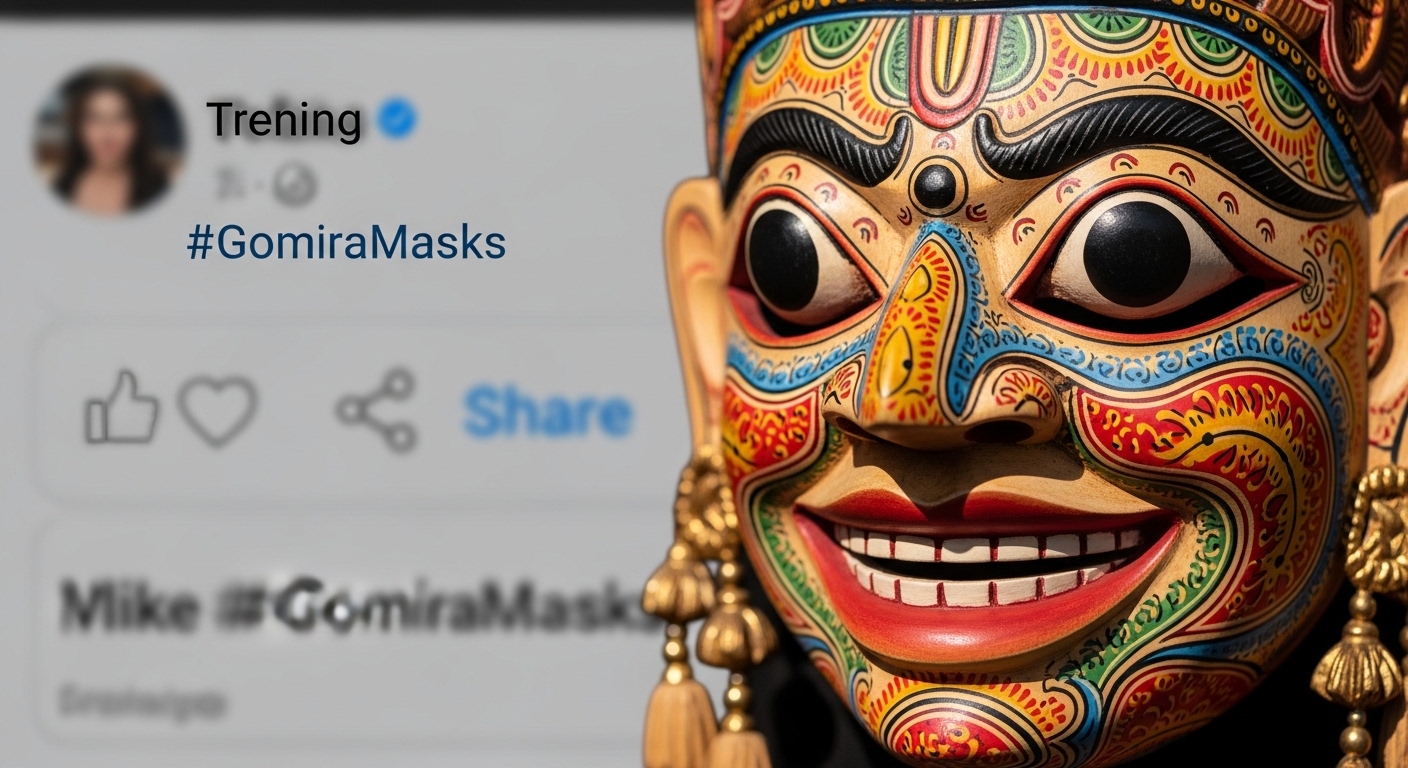
The viral gomira mask trend has recently captured widespread attention across social media platforms, drawing global curiosity toward a traditional folk art form from eastern India. Gomira masks originate from the cultural heritage of Bengal, particularly from rural communities where they are used in ritual dances and festivals. These handcrafted wooden masks, often depicting deities, animals, and mythological characters, carry deep symbolic meaning and artistic value. Their sudden visibility online reflects how social media culture can transform localized traditions into global visual phenomena.
In the digital age, visually striking cultural artifacts often gain traction through short videos, photography, and storytelling posts. Gomira masks, with their bold colors, expressive features, and dramatic forms, naturally attract attention in visual media formats. As content creators share performances, craft processes, and cultural narratives, the Gomira masks Bengal trend has expanded beyond regional boundaries. This phenomenon illustrates how folk art going viral can reshape cultural appreciation and awareness worldwide.
Cultural Origins of Gomira Masks in Bengal
Understanding the viral gomira mask trend requires exploring the cultural origins of these masks. Gomira masks are traditionally associated with ritual dances performed during village festivals in parts of West Bengal. These dances often depict mythological battles, moral stories, or symbolic representations of good and evil. Performers wearing Gomira masks embody characters such as deities, demons, or animals, creating dramatic storytelling through movement and costume.
The masks are typically carved from wood and painted in vivid colors with exaggerated facial features. Each design carries symbolic meaning linked to folklore and spiritual beliefs. Artisans who create Gomira masks often belong to hereditary craft communities, passing techniques and motifs across generations. The craftsmanship involves carving, shaping, drying, and painting processes that require skill and cultural knowledge.
These cultural foundations give Gomira masks significance beyond decorative art. They function as ritual objects, performance tools, and heritage symbols. When folk art going viral introduces such artifacts to global audiences, it also highlights the cultural context and traditions behind them. This connection between craft and ritual contributes to the authenticity that attracts social media interest.
Role of Social Media Culture in Folk Art Virality
Social media culture plays a major role in transforming regional traditions into viral trends. Platforms that emphasize short-form video and visual storytelling amplify visually distinctive subjects. Gomira masks, with their dramatic expressions and vibrant aesthetics, translate effectively into these formats. Videos showing artisans carving masks or dancers performing rituals offer engaging content that resonates with viewers seeking cultural or artistic novelty.
Hashtags, cultural storytelling, and influencer participation further accelerate the Gomira masks Bengal trend. When creators frame traditional crafts as unique or heritage-rich, audiences respond with curiosity and appreciation. Social media algorithms favor content that is visually unusual or emotionally compelling, increasing visibility. This process explains how folk art going viral spreads rapidly across geographic boundaries.
The table below outlines factors that contributed to the viral gomira mask trend online.
| Social Media Factor | Effect on Gomira Mask Trend | Outcome |
|---|---|---|
| Visual uniqueness | Eye-catching imagery | High shareability |
| Craft process videos | Behind-the-scenes appeal | Engagement |
| Cultural storytelling | Heritage interest | Awareness |
| Influencer promotion | Wider reach | Trend growth |
| Short-form content | Quick consumption | Virality |
These dynamics show how digital platforms can elevate traditional art forms into global trends.
Artistic Appeal and Aesthetic Impact
The visual characteristics of Gomira masks strongly influence their viral popularity. Unlike minimalist or subdued art styles, Gomira masks feature exaggerated shapes, bold colors, and intense expressions. This aesthetic intensity creates immediate visual impact, which is highly effective in digital content environments. Audiences scrolling through feeds are more likely to pause on striking images, increasing exposure and interaction.
The masks also evoke themes of mythology, folklore, and ritual drama that fascinate global viewers. Characters represented in Gomira masks often resemble archetypal figures found in many cultures, such as protectors, demons, or animal spirits. This universality makes the art relatable beyond its regional origins. The combination of unfamiliar cultural context and recognizable symbolic themes enhances curiosity.
Photography and videography further enhance aesthetic appeal. Dramatic lighting, close-up framing, and performance footage highlight texture and expression. These visual techniques amplify the artistic qualities of Gomira masks in social media culture. As viewers encounter such compelling imagery, interest in the folk art going viral increases organically.
Impact on Artisans and Cultural Preservation
The viral gomira mask trend has significant implications for artisans and cultural preservation. Increased online visibility can create new economic opportunities for craft communities. Demand for Gomira masks as decorative art or collectibles may expand markets beyond local regions. This exposure can support livelihoods and encourage continuation of traditional craftsmanship.
However, viral attention also raises concerns about cultural context and authenticity. When folk art going viral is removed from its ritual and cultural environment, its meaning may be misunderstood or diluted. Responsible storytelling and attribution are important to ensure that artisans and communities receive recognition and respect. Ethical promotion supports sustainable cultural exchange rather than exploitation.
Digital platforms also offer opportunities for cultural education. Videos documenting mask-making processes or ritual performances can preserve knowledge for future generations. The Gomira masks Bengal trend demonstrates how social media can function as both a promotional and archival medium for traditional arts. This dual role can strengthen cultural continuity when managed thoughtfully.
Broader Implications of Folk Art Going Viral
The popularity of Gomira masks reflects a broader pattern in which traditional crafts gain global attention through digital platforms. Social media culture increasingly connects audiences with heritage art forms that were previously confined to local contexts. This exposure can diversify cultural representation and challenge dominant artistic narratives. Viewers discover new aesthetics and histories, expanding appreciation for global creativity.
For creators and audiences, viral folk art trends encourage cross-cultural dialogue and curiosity. They highlight the richness of regional traditions and the skills of artisans. However, sustaining meaningful engagement requires moving beyond novelty toward deeper understanding. Contextual information, artisan voices, and cultural education help maintain authenticity.
The Gomira masks Bengal trend also illustrates how heritage can adapt to modern visibility without losing identity. When traditional art interacts with digital media thoughtfully, it can gain relevance and sustainability. The intersection of folk art and social media culture is likely to continue shaping how cultural expressions are shared and valued globally.
Final Thought
The viral gomira mask trend shows how traditional folk art from Bengal can gain global attention through social media culture and visual storytelling. The striking aesthetics, cultural depth, and craft heritage of Gomira masks have enabled them to become a prominent example of folk art going viral. As digital platforms continue to amplify regional traditions, the Gomira masks Bengal trend highlights both the opportunities and responsibilities involved in sharing cultural heritage with the world.