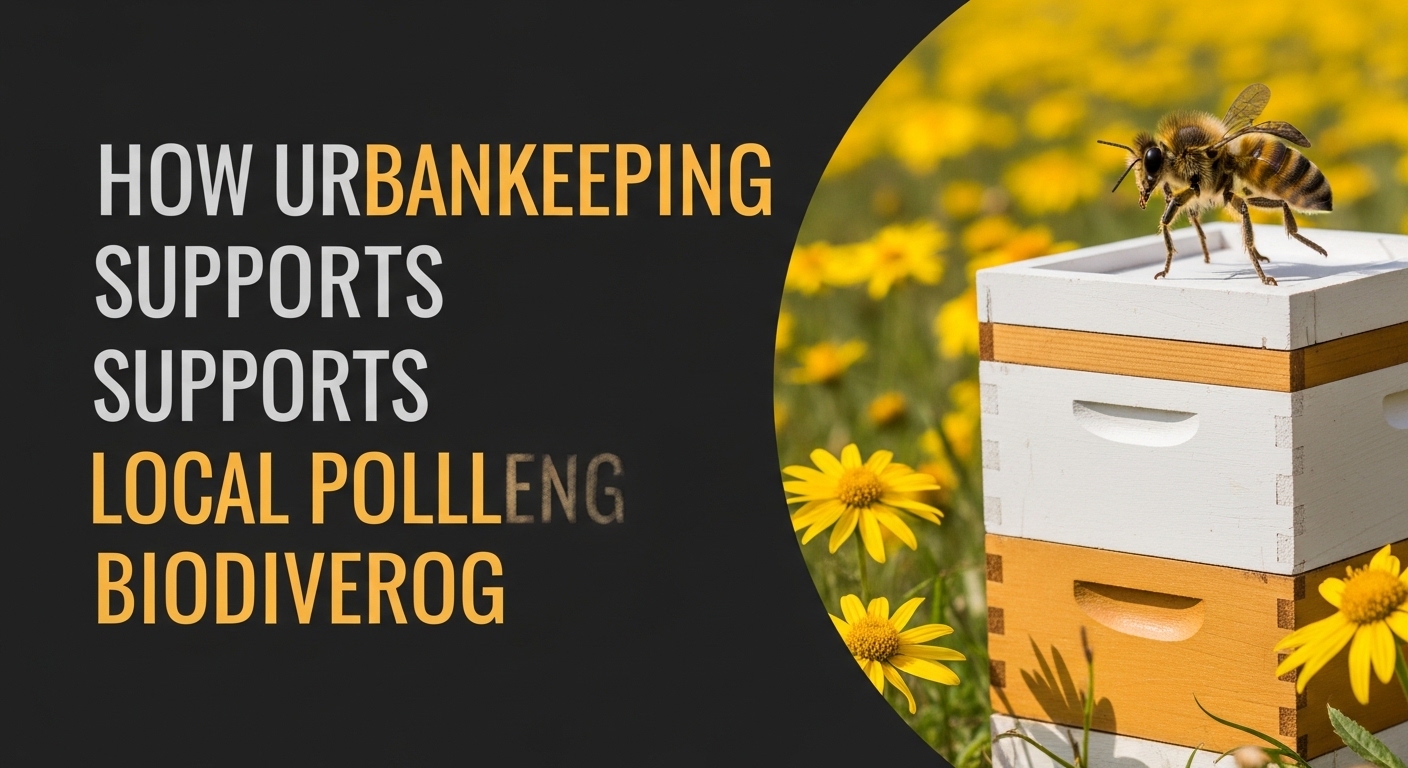
Urban beekeeping is becoming an increasingly popular practice as cities look for sustainable ways to support biodiversity and local food systems. Traditionally, beekeeping was associated with rural farming environments, but today many city residents are discovering that keeping bees in urban areas can provide environmental benefits as well as opportunities for local honey production. Rooftops, community gardens, balconies, and small backyard spaces are now being used for beehives, making urban beekeeping an important part of modern city farming.
Bees play a crucial role in pollination, which is essential for plant reproduction and ecosystem health. As urban areas expand and natural habitats shrink, supporting pollinators has become a priority for environmental conservation. Urban beekeeping helps maintain healthy bee populations and supports the growth of flowering plants, fruits, and vegetables within cities. By understanding beekeeping basics and the ecological importance of pollination, individuals and communities can contribute to stronger urban ecosystems.
Cities around the world are encouraging urban agriculture initiatives that include beekeeping. Local governments, environmental organizations, and community groups are promoting awareness about pollination benefits and biodiversity protection. These efforts highlight how urban beekeeping can transform city environments into more sustainable and productive ecosystems.
Beekeeping Basics for Urban Environments
Understanding beekeeping basics is the first step for individuals interested in starting urban beekeeping. Unlike rural beekeeping, urban beekeepers must carefully consider factors such as space limitations, neighborhood regulations, and safety measures. However, with proper planning and knowledge, beekeeping can be successfully practiced even in densely populated areas.
A typical beehive consists of several components including a hive box, frames for honeycomb construction, and protective coverings. Beekeepers monitor the health of bee colonies by checking hive conditions, ensuring adequate food sources, and protecting bees from pests or diseases. Urban environments often provide diverse flowering plants from gardens, parks, and street landscaping, which can support bee nutrition.
Urban beekeepers must also practice responsible hive management. This includes positioning hives away from heavy pedestrian areas and ensuring bees have access to water sources. Many city farming initiatives encourage education programs that teach beginners about bee behavior, hive maintenance, and sustainable honey production.
Learning beekeeping basics not only helps protect bee colonies but also ensures that urban beekeeping activities remain safe and beneficial for the surrounding community.
Pollination Benefits for Urban Ecosystems
Pollination benefits are one of the most significant contributions of urban beekeeping. Bees transfer pollen between flowers as they collect nectar, allowing plants to reproduce and produce fruits and seeds. This natural process is essential for maintaining healthy plant populations and supporting biodiversity in urban environments.
Urban gardens, parks, and green spaces rely heavily on pollinators for plant growth. When bees visit flowers in these areas, they help increase crop yields and improve plant diversity. Fruits, vegetables, herbs, and ornamental plants all benefit from bee pollination. This interaction strengthens local ecosystems and supports city farming initiatives.
The table below highlights key pollination benefits provided by urban bees.
| Pollination Benefit | Description | Environmental Impact |
|---|---|---|
| Increased plant growth | Bees transfer pollen between flowers | Stronger plant reproduction |
| Higher food production | Improved yields for fruits and vegetables | Supports urban farming |
| Biodiversity support | Pollination encourages diverse plant species | Balanced ecosystems |
| Habitat restoration | Pollinators help sustain green spaces | Healthier urban landscapes |
| Ecosystem stability | Pollination supports food chains | Long-term ecological balance |
These pollination benefits demonstrate how urban beekeeping contributes to healthier city environments and sustainable agriculture.
Role of Urban Beekeeping in City Farming
City farming is an expanding movement that promotes local food production within urban areas. Urban beekeeping fits naturally into this concept because bees support the growth of crops and flowering plants in community gardens and rooftop farms. By improving pollination, bees increase productivity for small-scale urban agriculture projects.
Community gardens often include beehives as part of their sustainability programs. These gardens rely on pollinators to produce vegetables, fruits, and herbs that are shared among local residents. Urban beekeeping helps maintain the balance between plant growth and pollination, ensuring that crops thrive throughout the growing season.
Honey production is another valuable aspect of city farming. Urban honey often reflects the unique mix of plants found in city landscapes. Rooftop gardens, flowering trees, and decorative plants all contribute to the flavor and quality of honey produced in urban environments. Many urban beekeepers sell locally produced honey at farmers markets or community events, supporting local economies and promoting sustainable food practices.
City farming initiatives also help educate communities about environmental stewardship. Workshops and public demonstrations allow people to learn about bees, pollination, and the importance of biodiversity. These educational programs encourage greater appreciation for nature even within densely populated urban areas.
Challenges and Solutions in Urban Beekeeping
Although urban beekeeping offers many benefits, it also presents certain challenges that require careful management. One common concern is ensuring that bees do not disturb neighbors or create safety risks. Responsible hive placement and proper beekeeper training help minimize these concerns.
Urban beekeepers must also monitor environmental conditions such as pollution and pesticide use. Exposure to harmful chemicals can affect bee health and reduce colony productivity. Many cities promote organic gardening practices and pollinator-friendly landscaping to protect bees and other beneficial insects.
Another challenge is maintaining healthy bee populations in changing climates. Extreme weather conditions, habitat loss, and disease outbreaks can impact bee colonies. Beekeepers must remain vigilant by regularly inspecting hives and providing appropriate care for their bees.
Despite these challenges, many urban areas have successfully integrated beekeeping into city life through supportive regulations and education programs. By encouraging sustainable practices, cities can ensure that urban beekeeping remains safe, productive, and environmentally beneficial.
Future of Urban Beekeeping and Biodiversity
The future of urban beekeeping looks promising as more cities recognize the importance of pollinators in maintaining ecological balance. Urban green spaces are expanding, and many urban planning initiatives now include pollinator-friendly landscapes. Rooftop gardens, flowering corridors, and community farming projects create ideal environments for bees.
Technological innovations are also helping urban beekeepers manage their hives more effectively. Monitoring tools can track hive temperature, humidity, and bee activity, allowing beekeepers to respond quickly to potential problems. These advancements support healthier bee colonies and improved honey production.
Educational programs and community engagement will continue to play an important role in promoting urban beekeeping. Schools, environmental groups, and local governments are encouraging citizens to participate in biodiversity conservation efforts. By understanding the value of bees and pollination, communities can create urban environments that support both nature and sustainable living.
Final Thought
Urban beekeeping demonstrates how small actions within cities can have a powerful impact on environmental sustainability. Through the practice of beekeeping basics, individuals support pollination benefits that strengthen plant growth, biodiversity, and city farming initiatives. By encouraging responsible honey production and protecting pollinators, urban communities can create healthier ecosystems and contribute to a more sustainable future.