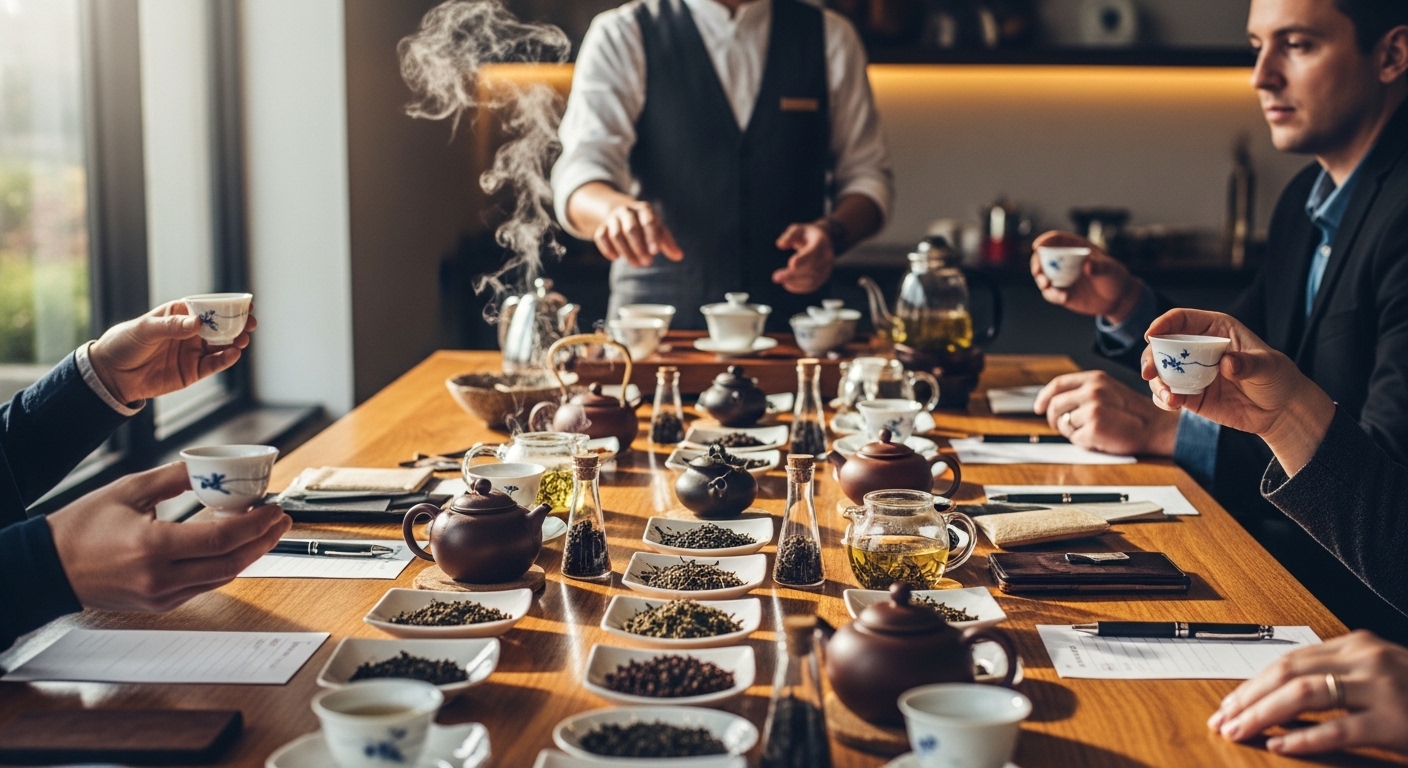
Tea tasting has evolved from a traditional ritual into a global phenomenon embraced by beverage enthusiasts. Once limited to cultural ceremonies and connoisseurs, tea tasting is now a growing trend that reflects a deeper interest in flavor, origin, and craftsmanship. Across the world, tea culture is expanding beyond daily consumption into a refined experience that emphasizes sensory exploration and mindfulness. As people seek alternatives to coffee and sugary drinks, tea tasting offers a healthier and more sophisticated way to enjoy beverages.
This growing interest is closely tied to broader beverage trends that prioritize authenticity, wellness, and artisanal quality. Consumers are increasingly drawn to specialty teas, which highlight unique flavors, regional origins, and careful processing techniques. Tea appreciation is no longer confined to traditional societies but is becoming a lifestyle choice for individuals seeking both enjoyment and health benefits. As a result, tea tasting events, workshops, and dedicated tea spaces are becoming more common in urban areas around the world.
Understanding Tea Tasting and Its Core Practices
Tea tasting involves evaluating tea based on its aroma, flavor, appearance, and texture. Similar to wine tasting, it requires attention to detail and a refined palate. Participants often sample multiple varieties of specialty teas, comparing their characteristics and learning about their origins. This process enhances tea appreciation by encouraging individuals to explore the complexity and diversity of tea.
The foundation of tea tasting lies in proper brewing techniques. Factors such as water temperature, steeping time, and leaf quality significantly influence the final taste. Different types of tea, including green, black, oolong, and white, require specific preparation methods to bring out their unique profiles. Countries like China and Japan have long-standing tea culture traditions that emphasize precision and ritual in tea preparation. These practices continue to influence modern tea tasting experiences globally.
In addition to traditional methods, contemporary tea tasting incorporates innovative approaches. Tea sommeliers and enthusiasts experiment with blending techniques, flavor pairings, and modern presentation styles. This fusion of tradition and creativity reflects evolving beverage trends and contributes to the growing popularity of tea tasting among diverse audiences.
The Rise of Specialty Teas and Changing Beverage Trends
One of the key drivers behind the popularity of tea tasting is the rise of specialty teas. Unlike mass-produced tea bags, specialty teas are carefully sourced, processed, and packaged to preserve their natural flavors. These teas often come from specific regions known for their unique growing conditions, which influence taste and aroma. As consumers become more informed, they seek out high-quality options that offer a distinct and authentic experience.
Modern beverage trends also play a significant role in promoting tea tasting. Health-conscious consumers are increasingly choosing tea over sugary drinks and artificial beverages. Tea is associated with various health benefits, including improved digestion, reduced stress, and enhanced focus. This alignment with wellness trends has strengthened tea culture and encouraged more people to explore tea appreciation as part of their daily routines.
Additionally, social media and digital platforms have amplified interest in tea tasting. Enthusiasts share their experiences, recommend specialty teas, and educate others about brewing techniques. This online community fosters a sense of connection and encourages experimentation. As beverage trends continue to evolve, tea tasting is becoming a mainstream activity that combines tradition with modern lifestyle preferences.
Comparison Table: Regular Tea Consumption vs Tea Tasting Experience
| Feature | Regular Tea Consumption | Tea Tasting Experience |
|---|---|---|
| Purpose | Casual drinking | Sensory exploration and tea appreciation |
| Tea Quality | Standard tea bags | High-quality specialty teas |
| Preparation | Basic brewing | Precise brewing techniques |
| Knowledge Level | Minimal knowledge required | In-depth understanding of tea culture |
| Experience | Routine habit | Engaging and educational activity |
| Social Aspect | Individual or informal | Structured tastings and group sessions |
This comparison highlights how tea tasting transforms a simple beverage into a meaningful and immersive experience. By focusing on quality and technique, tea tasting enhances overall tea appreciation and elevates tea culture.
Challenges and Opportunities in the Growth of Tea Tasting
Despite its increasing popularity, tea tasting faces certain challenges. One of the main barriers is awareness. Many consumers are still unfamiliar with the concept of tea tasting and may perceive tea as a basic, everyday drink rather than a sophisticated experience. Educating people about the diversity and richness of specialty teas is essential to expanding this culture.
Another challenge is accessibility. High-quality specialty teas can be more expensive than standard options, which may limit their appeal to a broader audience. However, as demand increases and supply chains improve, these products are becoming more widely available. Tea tasting workshops, online courses, and community events are also helping bridge this gap by making tea culture more accessible and inclusive.
On the other hand, the growth of tea tasting presents numerous opportunities. Entrepreneurs are opening tea cafés, launching premium tea brands, and organizing tasting events to cater to this emerging market. The integration of tea tasting into hospitality, tourism, and wellness industries further expands its reach. These developments demonstrate how beverage trends are evolving to include more diverse and enriching experiences.
The Future of Tea Tasting and Global Tea Culture
The future of tea tasting looks promising as it continues to gain recognition among beverage enthusiasts. As global interest in tea culture grows, more people are exploring the origins, processing methods, and unique characteristics of different teas. This deeper understanding fosters greater tea appreciation and encourages sustainable practices within the tea industry.
Innovation will also play a significant role in shaping the future of tea tasting. Advances in packaging, preservation, and brewing technology are enhancing the quality and convenience of specialty teas. Additionally, collaborations between tea producers, chefs, and mixologists are creating new flavor combinations and experiences that appeal to modern consumers.
Sustainability is another important factor influencing the future of tea culture. Consumers are increasingly concerned about ethical sourcing and environmental impact. As a result, tea producers are adopting eco-friendly practices and transparent supply chains. These efforts align with evolving beverage trends and contribute to the long-term growth of tea tasting as a global movement.
Final Thoughts
Tea tasting is transforming the way people perceive and enjoy tea. By emphasizing tea culture, specialty teas, and refined brewing techniques, it elevates a simple beverage into a rich and engaging experience. The growing interest in tea appreciation reflects broader beverage trends that prioritize quality, wellness, and authenticity.
While challenges such as awareness and accessibility remain, the continued expansion of tea tasting opportunities is driving its popularity worldwide. As more individuals embrace this practice, tea tasting will play a significant role in shaping modern beverage culture and promoting a deeper connection with one of the world’s oldest and most cherished drinks.