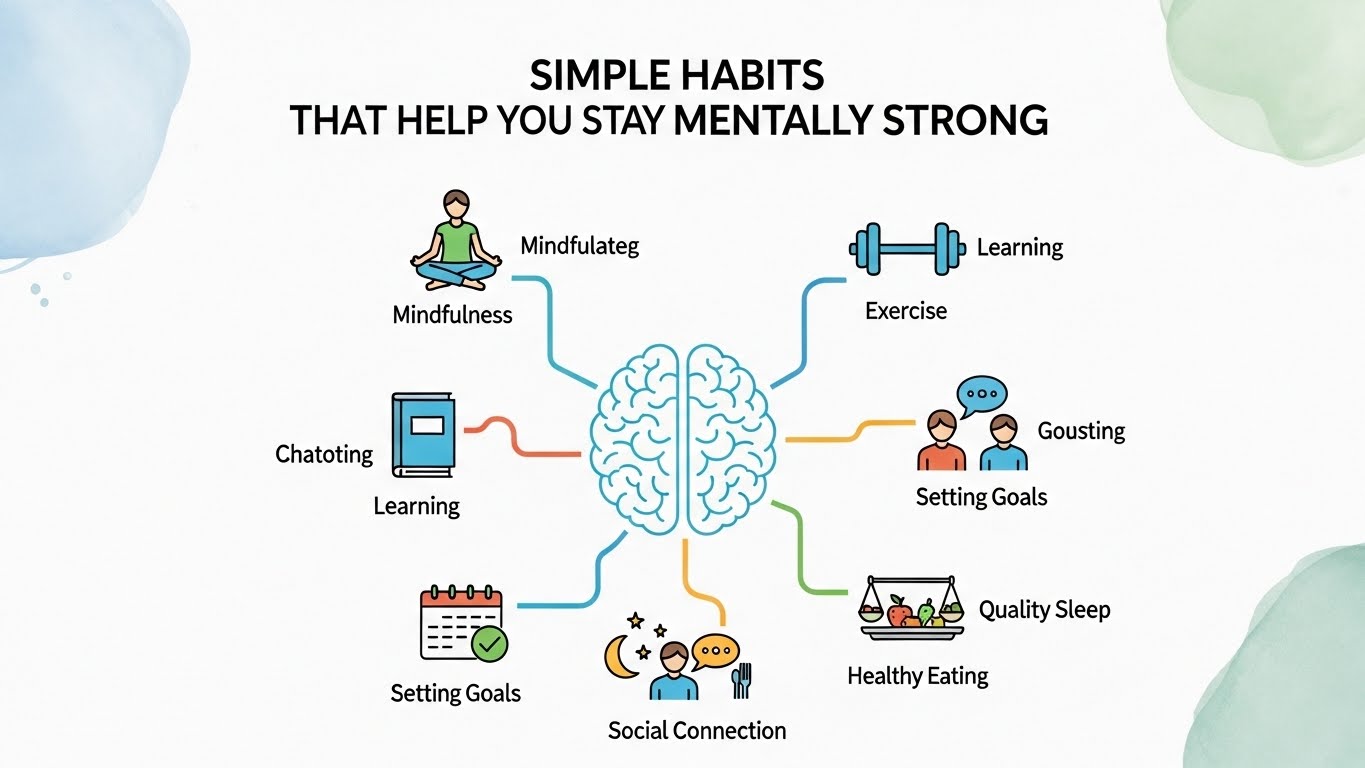
Developing mental strength is essential for navigating life’s challenges with confidence, stability, and clarity. Mentally strong individuals are not free from stress, fear, or difficulties, but they respond to them with resilience and purpose. In a world filled with uncertainty, building a strong mindset, strengthening emotional resilience, and maintaining supportive daily habits can dramatically improve how you handle pressure, setbacks, and change. Mental strength is not an inborn trait reserved for a few; it is a set of skills and behaviors that anyone can learn and strengthen over time. This article explores simple, practical habits that help you stay mentally strong every day.
Understanding What Mental Strength Really Means
Mental strength refers to the ability to regulate thoughts, emotions, and behaviors in ways that support long-term goals and well-being. It does not mean suppressing emotions or pretending problems do not exist. Instead, mental strength involves acknowledging challenges, managing emotional reactions, and making intentional choices despite discomfort.
A person with strong mental strength stays focused under pressure, adapts to change, and recovers from setbacks more effectively. This strength grows through experience, self-awareness, and consistent practice. By understanding mental strength as a process rather than a destination, you become more patient and committed to developing it over time.
Building a Strong Mindset Through Daily Thinking Patterns
A strong mindset begins with how you think about yourself, your abilities, and your circumstances. Thoughts influence emotions, which influence behavior. When thinking patterns are negative or rigid, mental strength weakens. Shifting to a growth-oriented mindset strengthens emotional control and motivation.
Practicing positive self-talk is a powerful habit. Replacing self-criticism with constructive language encourages confidence and persistence. Focusing on solutions instead of problems reduces feelings of helplessness. Developing gratitude also strengthens mindset by shifting attention from what is lacking to what is working. Over time, these thinking patterns form a stable mental foundation that supports resilience and optimism.
Emotional Resilience and How to Strengthen It
Emotional resilience is the ability to bounce back from emotional stress and adversity. Resilient individuals experience difficult emotions but do not allow those emotions to control their actions or identity. Building emotional resilience requires emotional awareness, acceptance, and regulation.
One effective habit is emotional journaling. Writing about feelings helps process experiences and gain perspective. Practicing mindfulness allows you to observe emotions without judgment, reducing emotional intensity. Learning to tolerate discomfort, rather than avoiding it, builds resilience and confidence. The table below highlights key habits that strengthen emotional resilience:
| Daily Habit | Description | Resilience Benefit |
|---|---|---|
| Emotional Journaling | Writing thoughts and feelings | Improves emotional clarity |
| Mindfulness Practice | Observing emotions without judgment | Reduces emotional reactivity |
| Self-Compassion | Treating yourself with kindness | Strengthens emotional stability |
| Healthy Boundaries | Protecting personal limits | Prevents burnout |
| Supportive Connections | Sharing emotions with trusted people | Enhances coping ability |
These habits, practiced consistently, develop emotional strength that supports long-term mental well-being.
Daily Habits That Reinforce Mental Strength
Strong daily habits create structure, predictability, and emotional stability. Routines reduce mental fatigue and make positive behaviors automatic. Simple habits such as waking up at a consistent time, planning your day, and completing important tasks early improve focus and confidence.
Physical health also influences mental strength. Regular exercise reduces anxiety and improves mood through chemical changes in the brain. Balanced nutrition and adequate sleep strengthen emotional control and cognitive performance. Even short daily walks or stretching sessions improve energy and mental clarity. When physical and mental habits align, overall resilience increases naturally.
Managing Stress and Pressure With Confidence
Life inevitably includes stress and pressure. Mental strength allows you to face these challenges with composure rather than overwhelm. Stress management begins with recognizing early warning signs such as tension, fatigue, or irritability. Addressing stress early prevents escalation.
Techniques such as deep breathing, progressive muscle relaxation, and short breaks during the day help regulate the nervous system. Setting realistic expectations and breaking tasks into manageable steps reduces pressure. When setbacks occur, mentally strong individuals view them as learning experiences rather than personal failures. This perspective encourages growth and persistence.
Overcoming Negative Thought Patterns
Negative thinking weakens mental strength by increasing fear, doubt, and emotional reactivity. Learning to identify and challenge negative thought patterns is essential for building resilience. Common patterns include catastrophizing, overgeneralization, and self-blame.
Reframing thoughts into balanced perspectives reduces emotional intensity. For example, replacing “I always fail” with “I am learning and improving” strengthens confidence. Over time, repeated reframing rewires thinking patterns and reinforces a strong mindset that supports emotional control and long-term success.
Maintaining Mental Strength During Difficult Times
Mental strength is most tested during difficult periods such as loss, failure, or major change. During these times, maintaining supportive habits becomes even more important. Seeking help, staying connected, and practicing self-care protect emotional health.
Allowing yourself to experience emotions without being overwhelmed by them builds resilience. Maintaining hope and focusing on small, achievable actions restores a sense of control. Difficult times do not weaken mental strength when approached with awareness and patience; they strengthen it.
Final Thought
Building mental strength is a lifelong process shaped by intentional habits, self-awareness, and growth. By cultivating a strong mindset, strengthening emotional resilience, and maintaining supportive daily habits, you develop the ability to handle life’s challenges with confidence and clarity. Mental strength is not about avoiding difficulties but about facing them with courage and purpose. Through consistent practice, anyone can build a mentally strong foundation that supports long-term success and emotional well-being.