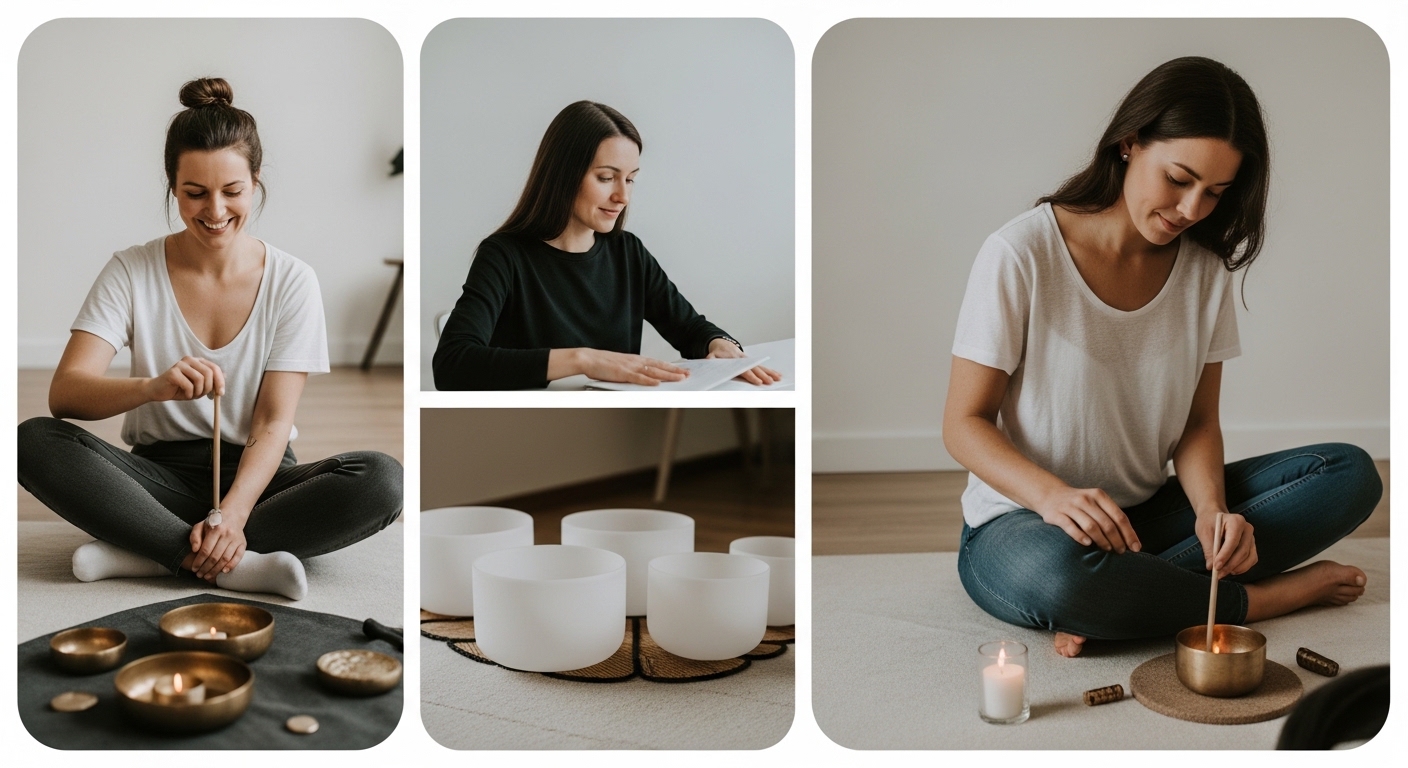
Sound healing therapy is gaining significant attention in modern wellness communities as people search for natural ways to relax, reduce stress, and improve mental well-being. This practice uses sound vibrations, tones, and frequencies to promote physical and emotional balance. Instruments such as singing bowls, tuning forks, gongs, and chimes are commonly used to create soothing sound environments that help individuals reach deep states of relaxation.
Unlike conventional treatments that rely primarily on medication, sound therapy focuses on the body’s natural response to sound frequencies. When people listen to calming meditation sounds, their brainwaves often shift into slower patterns associated with relaxation and mindfulness. These changes can support emotional healing and mental clarity.
In recent years, wellness therapy practices have increasingly incorporated sound healing sessions into yoga studios, meditation centers, and holistic health programs. The growing popularity of these sessions reflects a broader cultural interest in relaxation techniques that combine ancient traditions with modern wellness approaches.
Historical Roots of Sound Therapy
The concept of healing through sound is not new. Many ancient cultures believed that sound and vibration could influence human health and spiritual well-being. Historical records from civilizations such as India, Tibet, Greece, and Egypt show that sound was used in rituals, meditation practices, and spiritual ceremonies.
In traditional Tibetan practices, singing bowls were used during meditation to create harmonious vibrations that helped practitioners focus their minds. Similarly, ancient Indian healing systems such as Ayurveda incorporated chanting and musical sounds into spiritual practices.
Greek philosophers also recognized the influence of sound on human emotions. Pythagoras, the famous mathematician and philosopher, explored the relationship between musical tones and human well-being. He believed that certain sound frequencies could restore harmony to the body and mind.
These early traditions laid the foundation for modern sound healing therapy. Today, practitioners combine ancient techniques with contemporary research to better understand how sound frequencies affect the human nervous system.
Instruments Used in Sound Healing Therapy
Various instruments are used in sound healing sessions to produce vibrations that promote relaxation and balance. Each instrument produces unique frequencies that influence the listener in different ways.
The following table highlights some common instruments used in sound therapy.
| Instrument | Description | Role in Sound Healing |
|---|---|---|
| Singing bowls | Metal bowls that produce resonant tones | Encourages meditation and relaxation |
| Tuning forks | Metal tools tuned to specific frequencies | Used for targeted vibration therapy |
| Gongs | Large percussion instruments | Creates powerful sound waves |
| Chimes | Hanging metal bars that produce gentle tones | Enhances calming atmosphere |
| Drums | Rhythmic percussion instruments | Helps guide meditative rhythms |
These instruments are often played slowly and intentionally to produce soothing vibrations. The goal is to create a sound environment that allows participants to relax deeply and focus on the present moment.
In group sessions, multiple instruments may be played together to create layered soundscapes. These immersive experiences are sometimes called sound baths, where participants lie down and absorb the vibrations surrounding them.
How Sound Healing Supports Relaxation
One of the primary reasons sound healing therapy is becoming popular is its ability to support relaxation and stress reduction. Modern life often exposes people to constant noise, information overload, and mental pressure. Sound therapy sessions provide a calm environment where individuals can disconnect from these stresses.
Meditation sounds produced during sound healing sessions can influence brainwave patterns. When people listen to steady, harmonious tones, their brain activity may shift toward slower waves associated with relaxation and meditation.
This shift can help reduce anxiety, lower heart rate, and encourage deeper breathing. As the body relaxes, tension stored in muscles and the nervous system may gradually release.
Sound healing sessions often include guided breathing or meditation practices. These techniques help participants focus their attention on sound vibrations rather than external distractions. Over time, regular participation in sound therapy can help individuals develop stronger mindfulness habits.
Many people report feeling refreshed and mentally clear after sound healing sessions. The experience often creates a sense of calm that lasts long after the session ends.
Integration of Sound Healing in Modern Wellness Therapy
Sound healing therapy is now widely integrated into modern wellness therapy programs. Yoga studios, wellness retreats, and meditation centers frequently offer sound healing workshops as part of holistic health practices.
These sessions are often combined with other relaxation techniques such as yoga, breathwork, or mindfulness meditation. The combination of physical movement and sound vibration creates a comprehensive wellness experience that addresses both physical and emotional health.
Wellness practitioners also use sound therapy to support individuals dealing with stress, fatigue, or emotional imbalance. Although sound healing is not intended to replace medical treatment, it can complement other wellness practices by encouraging relaxation and mental clarity.
Corporate wellness programs have also begun incorporating sound therapy sessions into workplace wellness initiatives. Employees who participate in these sessions often report reduced stress levels and improved concentration.
The popularity of sound healing in wellness communities reflects a growing desire for holistic approaches to health that consider both mind and body.
Scientific Perspectives on Sound Therapy
Although sound healing has strong historical and cultural roots, modern research is beginning to explore its potential scientific explanations. Scientists studying sound therapy focus on how vibrations influence the nervous system and brainwave activity.
Certain sound frequencies may stimulate the parasympathetic nervous system, which is responsible for relaxation and recovery. When this system is activated, the body can enter a state of rest that promotes healing and stress relief.
Researchers are also investigating how rhythmic sounds and tones influence brainwave synchronization. In some cases, listening to steady frequencies may encourage brainwaves to align with calming patterns associated with meditation.
While more scientific research is needed to fully understand these effects, many participants report positive experiences after attending sound healing sessions. The growing interest in wellness therapy has encouraged further exploration of how sound may support emotional and mental well-being.
Final Thought
Sound healing therapy is becoming increasingly popular as people seek natural relaxation techniques that support mental and emotional balance. Through the use of meditation sounds, sound therapy instruments, and immersive wellness experiences, individuals can explore new ways to reduce stress and cultivate mindfulness. As wellness communities continue to expand their holistic health practices, sound healing therapy stands out as a powerful method for creating harmony between mind, body, and sound vibrations.