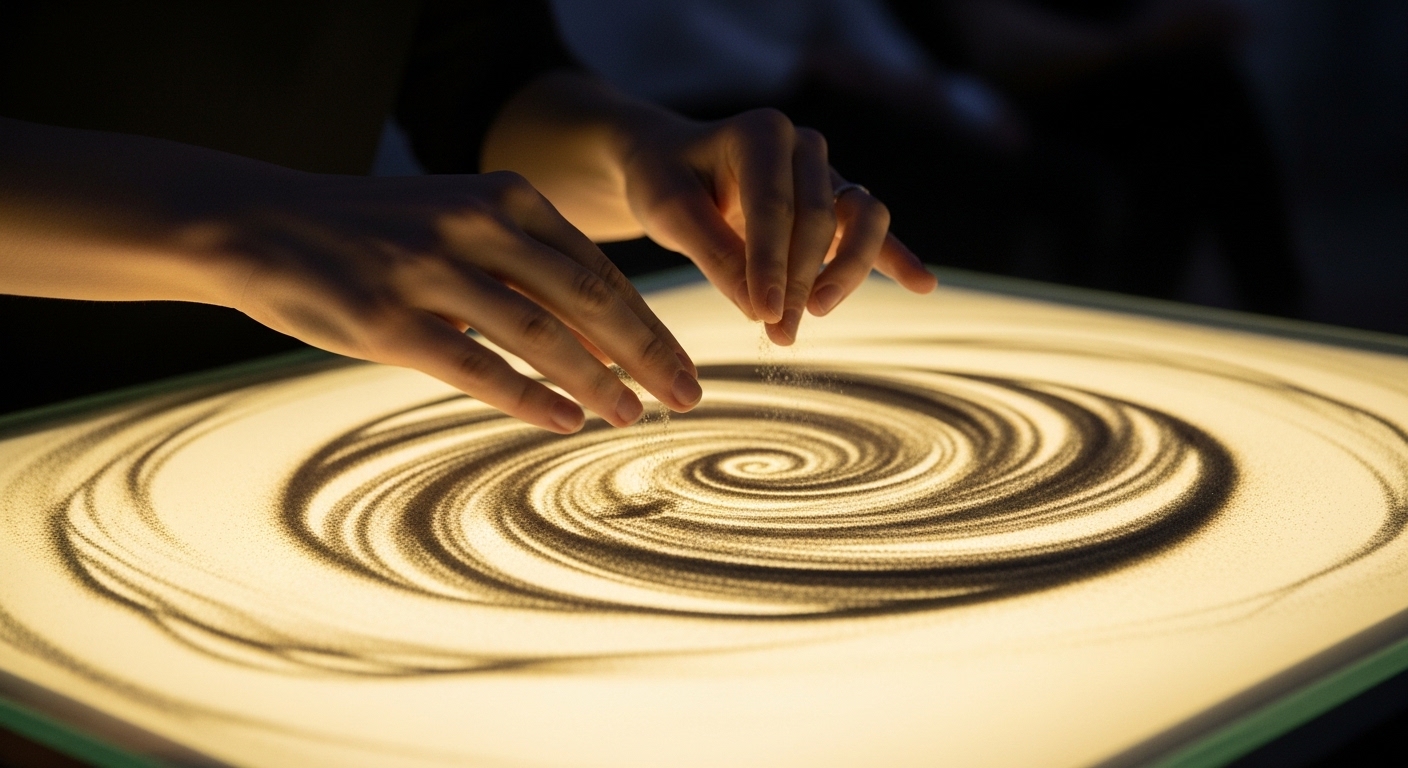
Sand art is a captivating form of creative expression where artists transform ordinary sand into intricate visual designs and sculptures. Often created on beaches, deserts, or specially prepared surfaces, sand art demonstrates how simple natural materials can become extraordinary artistic masterpieces. From detailed sand sculptures to elaborate beach art installations, this art form continues to inspire artists and spectators across the world.
One of the most fascinating aspects of sand art is that it is considered ephemeral art. This means the artwork is temporary and may disappear due to natural forces such as wind, water, or human activity. Unlike paintings or sculptures made from durable materials, sand creations exist only for a limited time. However, this temporary nature often makes the art even more meaningful and memorable.
Artists who specialize in sand art often participate in festivals and public events where large sculptures and creative installations are displayed. These artworks may represent animals, architectural structures, mythological figures, or abstract designs. The process of creating such masterpieces requires patience, skill, and careful planning, as the medium itself is delicate and constantly changing.
Historical Origins of Sand Sculptures
The practice of shaping sand into artistic forms has existed for centuries. Ancient civilizations living near coastal areas often experimented with sand as a creative medium. Children playing on beaches and early artisans both discovered that wet sand could be shaped into structures that resembled buildings or decorative objects.
In modern times, sand sculptures began gaining popularity during the nineteenth and twentieth centuries as beach tourism expanded. People visiting seaside resorts started building sand castles and sculptures for recreation. Over time, some individuals began developing advanced techniques that allowed them to create more detailed and complex sand structures.
Today, sand art festivals are organized in many countries where professional artists compete to create impressive sculptures. These festivals attract large audiences who watch the artists transform piles of sand into elaborate creative installations. International competitions often feature sculptures several meters tall that depict famous landmarks, cultural symbols, or imaginative fantasy scenes.
Sand art has evolved from simple recreational activity into a recognized artistic discipline. Many artists dedicate years to mastering the techniques required to create stable and visually striking sand sculptures.
Materials and Tools Used in Sand Art
Although sand art relies primarily on natural sand and water, artists often use a variety of tools and techniques to achieve precise shapes and textures. Creating large sculptures requires careful preparation of the sand to ensure it remains compact and stable.
The following table highlights common tools used in sand art and their functions.
| Tool or Material | Purpose | Benefit |
|---|---|---|
| Sand and water | Primary materials for sculpture | Forms the structure |
| Buckets and molds | Shapes the initial sand blocks | Provides structural foundation |
| Trowels and spatulas | Carves and smooths surfaces | Adds detailed shapes |
| Brushes | Removes loose sand | Enhances fine details |
| Spray bottles | Maintains moisture in sand | Prevents collapse |
Artists typically begin by packing wet sand into molds to create solid blocks. Once the sand blocks are formed, they carefully carve away excess material using sculpting tools. This subtractive process allows artists to gradually reveal intricate shapes within the sand structure.
Maintaining the correct balance of moisture is essential for successful sand sculptures. Too little water causes the structure to crumble, while too much water can weaken the sculpture.
Techniques Behind Creating Beach Art
Creating impressive beach art requires both artistic creativity and technical skill. Professional sand artists often follow a structured process that begins with planning the design and preparing the sand foundation.
The first step involves compacting layers of wet sand into large blocks. These blocks serve as the base from which the sculpture will be carved. Artists may stack several layers of sand to create tall structures capable of supporting detailed designs.
Once the base structure is prepared, artists begin carving the sculpture from top to bottom. This technique prevents loose sand from damaging finished sections as the work progresses. Using carving tools and brushes, artists gradually shape the sand into figures, textures, and patterns.
Lighting and perspective also play an important role in beach art. Many sculptures are designed with dramatic shadows and angles that enhance visual impact when viewed from specific directions.
Creative installations often combine multiple sculptures arranged within a larger scene. These installations may tell a story or represent a particular theme, allowing visitors to experience sand art as a complete visual environment.
Cultural and Environmental Significance of Ephemeral Art
Sand art is widely appreciated not only for its visual beauty but also for its symbolic meaning as ephemeral art. Because sand sculptures eventually disappear, they remind viewers of the temporary nature of artistic creation and life itself.
Many artists intentionally embrace this temporary quality. Instead of focusing on permanence, they celebrate the process of creation and the experience of sharing art with an audience. Photographs and videos often serve as lasting records of these temporary masterpieces.
Sand art festivals also promote environmental awareness by highlighting the natural beauty of coastal landscapes. Since sand sculptures are made entirely from natural materials, they leave minimal environmental impact once they disappear.
Some artists incorporate ecological themes into their sculptures, depicting endangered animals or environmental challenges. These creative installations encourage audiences to reflect on the relationship between humans and nature.
In addition, sand art events often support tourism and community engagement. Visitors gather to watch artists at work, participate in workshops, and celebrate creativity in outdoor environments.
Global Popularity of Sand Art Festivals
In recent decades, sand art festivals have become popular cultural events held in coastal cities around the world. These festivals invite professional sand artists to create large-scale sculptures that attract thousands of visitors.
Events often include competitions where artists have limited time to complete their sculptures. Judges evaluate the artworks based on creativity, technical skill, and adherence to the festival theme. Winning sculptures may remain on display for several weeks before natural elements gradually reshape them.
Some festivals feature sculptures that reach impressive heights and incorporate intricate details such as facial expressions, architectural textures, and flowing patterns. Visitors can walk among these sculptures and appreciate the extraordinary craftsmanship involved in their creation.
Sand art has also gained popularity through social media, where photographs of stunning beach sculptures spread quickly across digital platforms. These images inspire new audiences to explore sand art as both spectators and aspiring artists.
As more communities recognize the cultural and artistic value of sand art, festivals and workshops continue to grow in popularity worldwide.
Final Thought
Sand art demonstrates how simple natural materials can be transformed into stunning visual masterpieces through creativity and skill. From beach art sculptures to large creative installations, this ephemeral art form celebrates imagination, craftsmanship, and the beauty of temporary creations. Although sand sculptures may not last forever, their impact on audiences and artistic culture continues to inspire appreciation for the extraordinary possibilities hidden within ordinary grains of sand.