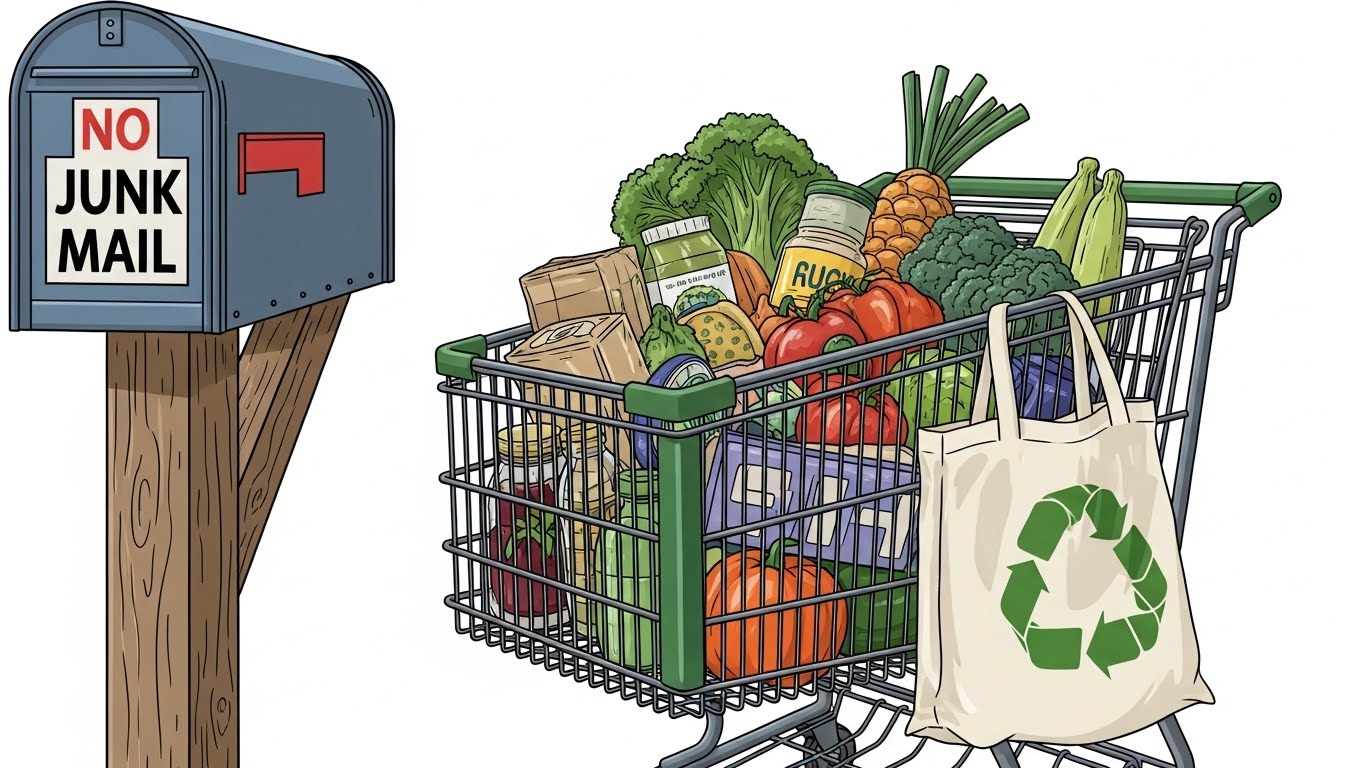
Reducing household waste has become more important than ever because daily living habits have a major impact on the environment. Every day, homes generate waste such as plastic, food scraps, packaging materials, and disposable items. When this waste is not managed properly, it contributes to pollution, landfills, and environmental damage. Household waste increases air pollution, water contamination, and harm to wildlife. It also contributes to climate-related problems. Reducing household waste is not only about cleanliness; it is about supporting eco friendly living and sustainability. When families adopt small but meaningful changes at home, it creates a healthier environment, saves resources, and supports a greener planet for future generations.
The Role of Eco Friendly Living in Waste Reduction
Eco friendly living means making daily choices that are kinder to the environment. It encourages people to think carefully about what they use, buy, and throw away. Many household habits contribute to unnecessary waste, such as excessive plastic use, single-use items, and careless disposal. Eco friendly living helps individuals become more mindful about consumption. It promotes reusing items instead of always buying new ones, reducing unnecessary waste, and choosing sustainable alternatives whenever possible. Eco friendly living is not about perfection; it is about progress. Even small changes such as using cloth bags, avoiding unnecessary packaging, and recycling properly can make a meaningful difference. When eco friendly living becomes a daily habit, households naturally reduce waste and pollution.
Practical Ways to Reduce Household Waste and Support Sustainability
Reducing household waste becomes easier when supported by practical strategies that help families build sustainable habits. The following table highlights simple, effective ways to reduce household waste and their benefits.
| Waste Reduction Method | Description | Benefit |
|---|---|---|
| Reuse and Repurpose Items | Use items multiple times | Reduces waste creation |
| Separate Recyclables | Sort paper, plastic, and metals | Supports sustainability |
| Reduce Plastic Use | Avoid single-use plastics | Protects environment |
| Minimize Food Waste | Plan meals and store food properly | Saves resources |
| Choose Eco Friendly Products | Prefer reusable and natural items | Encourages eco friendly living |
Practicing these steps regularly helps families reduce pollution, save money, and support a healthier environment.
Reducing Plastic Waste in Daily Household Activities
Plastic waste is one of the biggest contributors to household pollution. Many household products such as bottles, bags, packaging, and containers are made of plastic. Since plastic does not break down easily, it remains in the environment for many years, harming land, water, and wildlife. Reducing plastic waste starts with making better choices. Using reusable shopping bags instead of plastic ones, choosing refillable containers, and reducing plastic packaged products can significantly reduce waste. It is also helpful to avoid single-use plastic items such as disposable plates, cups, or straws whenever possible. Glass, metal, and reusable materials are better alternatives. Making these simple adjustments in daily life creates a big impact in reducing plastic waste and promoting sustainability.
Managing Food Waste for a Cleaner and Greener Home
Food waste is another major part of household garbage. Every day, large amounts of edible food are thrown away because of improper planning, storage, or careless use. This not only wastes resources but also contributes to environmental pollution. Reducing food waste begins with thoughtful meal planning. Buying only what is needed, storing food correctly, and using leftovers wisely help reduce unnecessary waste. Cooking in suitable portions, checking expiration dates, and being creative with leftover ingredients also help in waste reduction. Composting food scraps is another powerful eco friendly living practice. Instead of throwing peels, vegetable waste, or organic remains into trash bins, composting turns them into useful soil nutrients. Managing food waste wisely supports sustainability, saves money, and protects the environment.
Recycling and Reusing as Key Parts of Waste Reduction
Recycling plays a powerful role in reducing household waste and protecting natural resources. Recycling means turning used materials into new usable products, which reduces the need for producing new raw materials. Many household items such as paper, cardboard, metal cans, and some plastics can be recycled. Separating recyclable waste at home makes the process easier and more effective. Reusing is equally important. Many items thrown away can actually serve new purposes. Containers, jars, old clothes, and household items can often be reused creatively instead of being discarded. When recycling and reusing become part of daily lifestyle, household waste reduces naturally and sustainability improves.
Making Sustainable Shopping Choices
The type of products people buy directly affects how much waste is produced at home. Sustainable shopping helps reduce unnecessary waste. Choosing long-lasting products instead of disposable ones reduces repeated waste generation. Buying in bulk reduces packaging waste. Supporting eco friendly brands that use recyclable or minimal packaging helps maintain environmental balance. Another helpful approach is buying only what is truly needed instead of collecting unnecessary items. Conscious purchasing habits reduce waste, save money, and support environmental responsibility.
Creating a Household Culture of Sustainability
Waste reduction becomes more effective when all household members participate. Creating a sustainability mindset within the family helps maintain consistent eco friendly habits. Teaching children about waste reduction helps build responsible future generations. Encouraging everyone to turn off lights when not needed, avoid wasting water, reduce paper use, and dispose of waste properly supports a greener lifestyle. Making simple sustainability rules at home, such as keeping reusable bags ready, sorting waste, and promoting mindful consumption, helps everyone contribute toward reducing household waste.
Overcoming Challenges in Reducing Household Waste
Building eco friendly living habits can sometimes feel challenging because it requires lifestyle changes. Some people find it difficult to avoid convenience-based disposable items, while others may feel recycling is time-consuming. However, most challenges can be managed with consistency and awareness. Starting small is often the best approach. Instead of changing everything at once, households can begin with one or two waste reduction habits and gradually add more. Over time, these habits become natural, easier, and more comfortable.
Long Term Benefits of Reducing Household Waste
Reducing household waste provides many long-term benefits. It protects the environment, reduces pollution, saves natural resources, and supports sustainability. Households also benefit financially because waste reduction often leads to smarter spending and resource saving. Health improves when eco friendly alternatives replace harmful materials. Emotionally, living in a cleaner, greener environment brings peace and satisfaction. Waste reduction builds responsible habits and strengthens environmental awareness for future generations.
Final Thought
Learning to reduce household waste is an important step toward eco friendly living, waste reduction, and sustainability. By managing plastic use, reducing food waste, recycling, reusing, and making responsible daily choices, every household can contribute to a cleaner and healthier planet. With awareness, effort, and commitment, small actions at home create a big positive impact on the environment and future life.