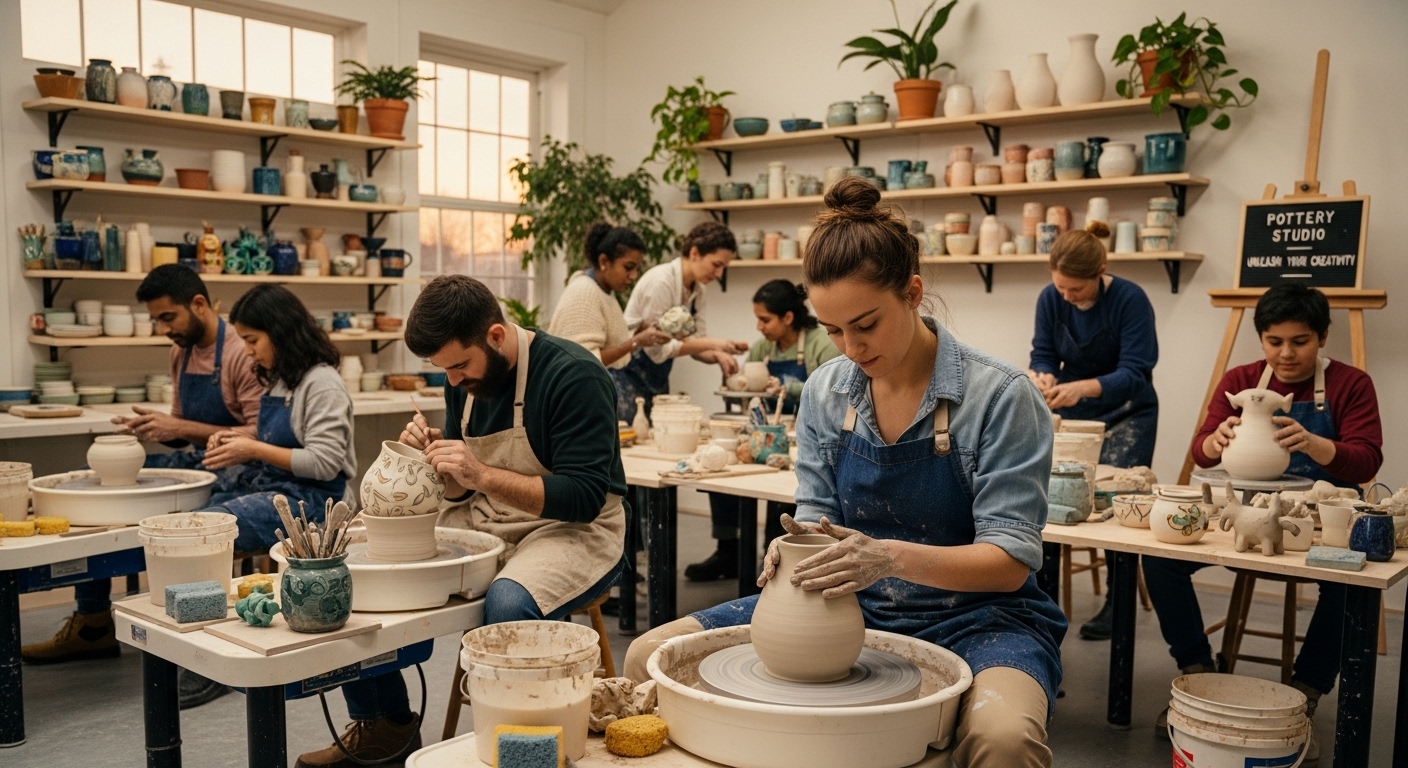
Pottery making has emerged as one of the most popular creative hobbies in recent years, attracting people who want to explore artistic expression through hands-on craftsmanship. The art of shaping clay into functional or decorative objects has existed for thousands of years, yet it continues to inspire modern artists and hobbyists. Today, pottery studios, art workshops, and community classes are introducing many beginners to the world of ceramic art and clay crafting.
The appeal of pottery making lies in its ability to combine creativity, patience, and tactile experience. Unlike many digital art forms, pottery requires direct interaction with natural materials. Working with clay allows individuals to create something tangible and unique with their own hands. This connection between creativity and craftsmanship makes handmade pottery an especially satisfying artistic pursuit.
As people search for relaxing and meaningful leisure activities, pottery making is gaining attention as a hobby that promotes mindfulness and creativity. The process of molding clay, shaping vessels, and applying decorative glazes offers both artistic freedom and personal fulfillment. For many individuals, pottery becomes more than just a hobby—it becomes a form of creative therapy.
History and Cultural Importance of Ceramic Art
Ceramic art is one of the oldest forms of artistic expression in human history. Archaeological discoveries show that pottery existed in ancient civilizations thousands of years ago. Early societies used clay crafting techniques to produce everyday items such as cooking vessels, storage containers, and decorative sculptures. These handmade pottery pieces often reflected the cultural traditions and artistic styles of the communities that created them.
Throughout history, different cultures developed unique pottery styles and techniques. For example, ancient Chinese porcelain became famous for its delicate craftsmanship, while Greek pottery featured detailed painted scenes that depicted mythology and daily life. These historical artifacts provide valuable insight into the lifestyles and artistic achievements of past civilizations.
Today, ceramic art continues to evolve as both a traditional craft and a modern artistic medium. Many contemporary artists experiment with innovative pottery designs and glazing techniques while still honoring traditional clay crafting methods. The historical significance of pottery adds depth and meaning to the practice, inspiring new generations of artists and hobbyists to explore this timeless craft.
Tools and Materials Used in Pottery Making
Pottery making involves a range of tools and materials that help artists transform raw clay into finished ceramic pieces. Beginners often start with simple equipment and gradually learn advanced techniques as they gain experience in clay crafting. Understanding the basic tools used in pottery can help aspiring potters begin their creative journey.
The following table highlights common tools and materials used in handmade pottery.
| Pottery Tool | Function | Purpose |
|---|---|---|
| Pottery wheel | Rotating platform for shaping clay | Creates symmetrical vessels |
| Clay | Natural material used for crafting | Base material for pottery |
| Kiln | High-temperature oven | Hardens and strengthens pottery |
| Pottery tools | Carving and shaping instruments | Adds detail and texture |
| Glaze | Decorative coating applied before firing | Adds color and finish |
These tools allow artists to experiment with different shapes, textures, and decorative techniques. Many pottery studios provide access to professional equipment that helps beginners learn the craft safely and effectively.
Benefits of Pottery Making as an Artistic Hobby
Pottery making offers numerous benefits that make it appealing as a creative hobby. One of the most significant advantages is the opportunity for artistic expression. Clay crafting allows individuals to transform simple materials into unique works of art, whether they are functional objects like bowls and cups or decorative sculptures.
Another important benefit of pottery is its relaxing and meditative nature. The process of shaping clay on a pottery wheel or sculpting it by hand requires focus and patience. Many people find that working with clay helps them disconnect from daily stress and concentrate on the creative process.
Pottery making also encourages the development of fine motor skills and hand-eye coordination. Manipulating clay requires precise hand movements and attention to detail. Over time, potters develop better control and technique as they refine their artistic abilities.
In addition to personal satisfaction, handmade pottery can also become a meaningful form of gift-giving or entrepreneurship. Some hobbyists eventually sell their ceramic art through local markets, online platforms, or art exhibitions. This allows them to share their creativity while generating income from their artistic hobbies.
Learning and Practicing Clay Crafting Techniques
For beginners, learning pottery making often begins with basic clay crafting techniques such as hand-building and wheel throwing. Hand-building involves shaping clay manually using methods like pinching, coiling, and slab construction. These techniques allow artists to create organic and sculptural forms without using specialized equipment.
Wheel throwing is another popular pottery technique that involves shaping clay on a rotating pottery wheel. This method is commonly used to create symmetrical objects such as bowls, cups, and vases. Learning wheel throwing requires practice and patience, but it allows potters to produce elegant and consistent designs.
Pottery classes and workshops are widely available for people who want to learn ceramic art in a structured environment. Experienced instructors teach students how to prepare clay, shape objects, and apply glazes before firing their creations in a kiln. These classes often provide access to professional tools and studio space.
Online tutorials and pottery communities also support beginners who wish to explore clay crafting independently. Many artists share instructional videos and tips that help hobbyists improve their skills and experiment with new techniques.
Growing Popularity of Handmade Pottery
The popularity of handmade pottery continues to grow as more people seek creative hobbies that offer both relaxation and artistic fulfillment. In a world dominated by mass-produced goods, handmade pottery stands out as a unique and personal form of craftsmanship. Each ceramic piece reflects the creativity and skill of the artist who created it.
Handmade pottery is also gaining popularity in home decor and interior design. Many people appreciate the natural textures and organic shapes of ceramic art pieces. Handmade bowls, vases, and plates add character and authenticity to living spaces.
The growing interest in sustainable living has also contributed to the rise of pottery making. Clay is a natural material, and many potters use environmentally friendly techniques to produce their work. This aligns with the values of individuals who prefer handmade, locally crafted products over mass-produced items.
Community pottery studios, art festivals, and craft markets provide opportunities for artists to showcase their creations and connect with other enthusiasts. These events celebrate the creativity and craftsmanship involved in pottery making while encouraging more people to explore artistic hobbies.
Final Thought
Pottery making is becoming an increasingly popular creative hobby because it combines artistic expression, relaxation, and traditional craftsmanship. Through ceramic art and clay crafting techniques, individuals can transform simple materials into meaningful handmade pottery pieces. As more people discover the joy of working with clay and exploring artistic hobbies, pottery continues to inspire creativity while preserving one of humanity’s oldest and most cherished art forms.