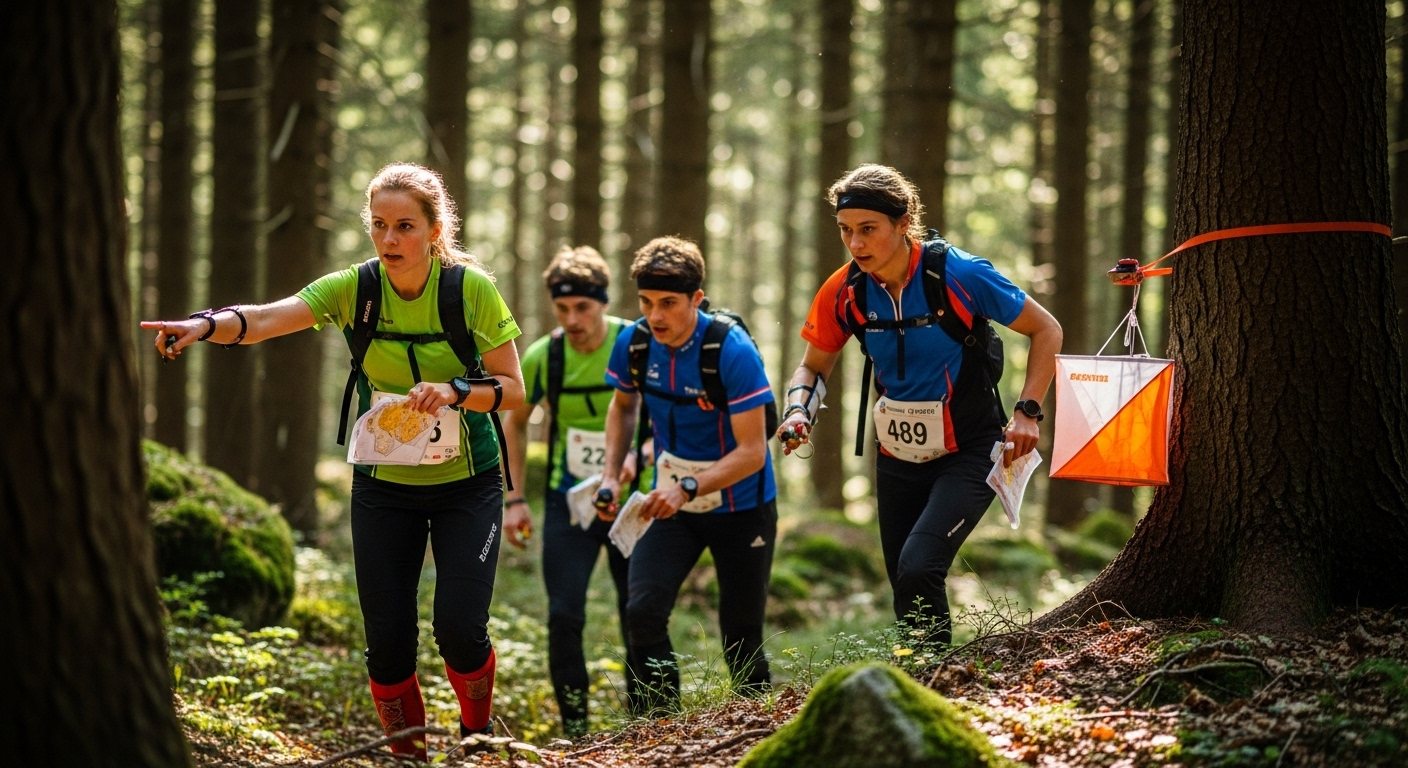
Orienteering is rapidly gaining popularity as a dynamic and engaging outdoor sport that combines physical activity with mental challenge. Unlike traditional outdoor sports, orienteering requires participants to navigate through unfamiliar terrain using only a map and compass. This unique blend of map navigation and strategic thinking makes it an exciting activity for individuals seeking both adventure and skill development.
Originally developed as a military training exercise, orienteering has evolved into a competitive and recreational activity enjoyed worldwide. It is now a key component of adventure racing events and is practiced in forests, parks, and urban environments. As interest in outdoor sports continues to grow, more people are discovering the thrill of navigating landscapes using compass skills and problem-solving techniques.
Understanding Orienteering and Map Navigation Techniques
At its core, orienteering is about finding the most efficient route between designated points using a map and compass. Participants are given a detailed map that highlights terrain features, elevation, and checkpoints. The goal is to reach each checkpoint in the correct order while choosing the best possible route.
Map navigation is a fundamental aspect of orienteering. Unlike standard maps, orienteering maps are highly detailed and use specific symbols to represent natural and man-made features. Learning to interpret these symbols is essential for success in the sport. Compass skills are equally important, as they help participants maintain direction and avoid getting lost.
Organizations such as International Orienteering Federation play a significant role in promoting orienteering globally. They establish rules, organize competitions, and support the development of the sport. Through training programs and events, participants can improve their navigation abilities and gain confidence in their skills.
Benefits of Orienteering as an Outdoor Sport
One of the key benefits of orienteering is its ability to improve both physical and mental fitness. As a form of outdoor sports activity, it involves running or walking across varied terrain, which enhances endurance, strength, and agility. At the same time, map navigation and decision-making require concentration and critical thinking, providing a mental workout.
Orienteering also encourages independence and self-reliance. Participants must rely on their compass skills and judgment to navigate effectively, which builds confidence and resilience. This aspect makes orienteering particularly appealing to individuals who enjoy challenges and personal growth.
Another advantage is its accessibility. Orienteering can be practiced individually or in groups, making it suitable for people of all ages and fitness levels. It can be adapted to different environments, from urban parks to dense forests, allowing participants to experience diverse landscapes. As a result, it has become a popular choice for both recreational outdoor sports and competitive adventure racing events.
Comparison Table: Orienteering vs Other Outdoor Sports
| Feature | Orienteering | Other Outdoor Sports |
|---|---|---|
| Core Activity | Map navigation and route planning | Physical activity (running, hiking, etc.) |
| Skill Requirement | High compass skills and navigation | Primarily physical skills |
| Mental Engagement | Strong focus on strategy and decision-making | Moderate mental involvement |
| Environment | Forests, parks, urban areas | Specific locations depending on sport |
| Competition Type | Individual or team-based adventure racing | Team or individual sports |
| Equipment | Map, compass, basic gear | Sport-specific equipment |
This comparison highlights how orienteering stands out as a unique combination of physical and mental challenges. While many outdoor sports focus primarily on physical performance, orienteering integrates map navigation and strategy, making it a more comprehensive activity.
Challenges and Skills Development in Orienteering
Despite its many benefits, orienteering can be challenging, especially for beginners. Learning to read maps accurately and use compass skills effectively requires practice and patience. Navigating unfamiliar terrain can be intimidating at first, but it becomes easier with experience and training.
Weather conditions and environmental factors also add to the challenge. Participants may encounter uneven terrain, dense vegetation, or changing weather, all of which require adaptability and quick decision-making. These challenges make orienteering an exciting and rewarding outdoor sport.
Skill development is a key aspect of orienteering. Participants gradually improve their map navigation abilities, learn to estimate distances, and develop efficient route-planning strategies. Training programs and practice sessions help individuals build confidence and refine their skills. Over time, these abilities can be applied to other activities, such as hiking, camping, and adventure racing.
The Future of Orienteering and Adventure Racing
The future of orienteering looks promising as interest in outdoor sports and adventure activities continues to grow. Technological advancements, such as GPS tracking and digital mapping, are enhancing the experience while maintaining the core principles of map navigation and compass skills.
Orienteering is also gaining recognition in educational and recreational programs. Schools and community organizations are introducing the sport as a way to promote physical fitness, teamwork, and problem-solving skills. These initiatives are helping to attract younger participants and expand the reach of orienteering.
Adventure racing events are further contributing to the popularity of orienteering. These competitions combine navigation challenges with endurance activities, creating a thrilling experience for participants. As more people seek unique and engaging outdoor sports, orienteering is expected to play a significant role in shaping the future of adventure-based activities.
Final Thoughts
Orienteering is an exciting and versatile outdoor sport that combines map navigation, compass skills, and physical endurance. Its unique blend of mental and physical challenges makes it a standout activity among outdoor sports and adventure racing disciplines. By encouraging exploration and strategic thinking, orienteering provides a rewarding experience for participants of all skill levels.
While it may present challenges for beginners, the skills developed through orienteering are valuable and transferable to other activities. As interest in outdoor sports continues to grow, orienteering will remain a popular and engaging way to explore nature, improve fitness, and develop essential navigation skills.