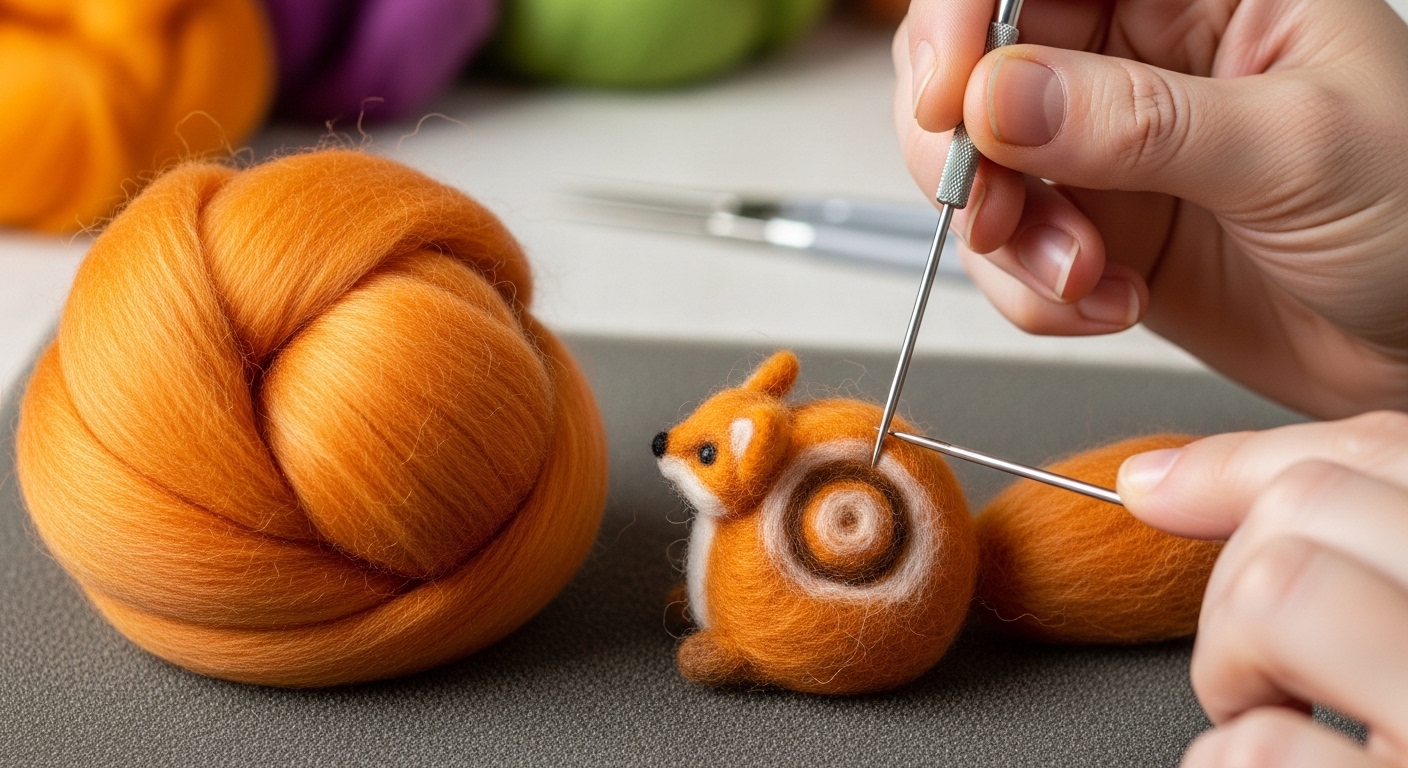
Needle felting is a unique and intricate craft that transforms loose wool fibers into detailed artistic creations using specialized needles. Over the years, needle felting has gained popularity as both a relaxing and rewarding activity, attracting artists and hobbyists interested in fiber art. Unlike traditional textile methods, needle felting does not require weaving or knitting; instead, it relies on repeated needle movements to shape and compact wool into desired forms.
This growing interest in wool crafts reflects a broader trend toward handmade and sustainable art practices. As people seek meaningful creative hobbies, needle felting offers an accessible and versatile way to create everything from decorative pieces to realistic handmade figures. Its tactile nature and creative flexibility make it an appealing choice for individuals of all skill levels.
Understanding Needle Felting Techniques and Materials
Needle felting involves using barbed needles to interlock wool fibers, gradually forming solid shapes. The process begins with selecting the appropriate type of wool, typically wool roving, which is soft and easy to manipulate. The artist then uses a felting needle to repeatedly poke the wool, causing the fibers to tangle and compress. This technique allows for precise shaping and detailing, making it ideal for creating intricate handmade figures.
Fiber art techniques in needle felting can range from basic shapes to highly detailed sculptures. Artists often start with simple forms and gradually add layers of wool to build complexity. Different needle sizes and shapes are used to achieve various effects, from rough shaping to fine detailing.
In addition to wool, other materials such as wire armatures, beads, and fabrics may be incorporated into the design. These elements enhance the structure and visual appeal of the final piece. By combining different materials and techniques, needle felting offers endless possibilities within wool crafts and fiber art.
Benefits of Needle Felting as a Creative Hobby
One of the main benefits of needle felting is its ability to promote relaxation and mindfulness. The repetitive motion of felting can have a calming effect, making it an ideal activity for stress relief. As a creative hobby, it encourages focus and patience, helping individuals disconnect from daily pressures.
Needle felting also enhances creativity and artistic expression. Artists can experiment with colors, textures, and shapes to create unique handmade figures and decorative items. This freedom of expression makes needle felting a highly rewarding form of fiber art.
Another advantage is its accessibility. Needle felting requires minimal tools and can be practiced at home with basic materials. This makes it an inclusive activity for people of all ages and skill levels. Additionally, wool crafts are often eco-friendly, as wool is a natural and biodegradable material.
The ability to create personalized items is another appealing aspect of needle felting. Handmade figures can be customized to represent animals, characters, or decorative themes, adding a personal touch to each creation. This customization enhances the value of the craft and makes it a popular choice among creative hobbies.
Comparison Table: Needle Felting vs Other Fiber Art Techniques
| Feature | Needle Felting | Other Fiber Art Techniques |
|---|---|---|
| Method | Needle-based fiber interlocking | Weaving, knitting, crocheting |
| Tools Required | Felting needles and wool | Looms, needles, yarn |
| Skill Level | Beginner to advanced | Varies widely |
| Creative Flexibility | High for handmade figures | Moderate to high |
| Time Requirement | Moderate | Varies by technique |
| Material Type | Wool fibers | Yarn, threads, fabrics |
This comparison shows how needle felting stands out among fiber art techniques due to its simplicity and versatility. While other methods require more complex tools, needle felting offers a direct and hands-on approach to creating detailed designs.
Challenges and Learning Curve in Needle Felting
Despite its many advantages, needle felting comes with certain challenges. One of the primary difficulties is mastering the technique of controlling the needle. Since the process involves sharp tools, beginners must practice carefully to avoid injuries. Proper technique and safety measures are essential for a successful experience.
Another challenge is achieving fine details in handmade figures. Creating realistic textures and shapes requires patience and practice. Artists must develop an understanding of how wool behaves and how to manipulate it effectively. This learning curve can be challenging but also rewarding as skills improve over time.
Material management is another consideration. Wool fibers can become tangled or compressed unevenly if not handled properly. Maintaining consistency in texture and density is important for achieving professional results in wool crafts.
Despite these challenges, the growing availability of tutorials and workshops is making needle felting more accessible. Online resources and community support are helping beginners learn the craft and develop their creative skills.
The Future of Needle Felting in Creative Hobbies
The future of needle felting looks promising as interest in handmade and sustainable crafts continues to grow. Fiber art is gaining recognition as a valuable form of artistic expression, and needle felting is at the forefront of this movement.
Artists are exploring new techniques and combining needle felting with other crafts to create innovative designs. This experimentation is expanding the possibilities of wool crafts and attracting a wider audience.
Digital platforms are also playing a significant role in promoting needle felting. Social media and online marketplaces allow artists to showcase their handmade figures and connect with customers worldwide. This increased visibility is contributing to the growth of creative hobbies and encouraging more people to explore fiber art.
Educational initiatives and workshops are further supporting the development of needle felting. By teaching techniques and providing resources, these programs ensure that the craft continues to evolve and thrive.
Final Thoughts
Needle felting is a remarkable craft that transforms simple wool into detailed and expressive works of art. Through the use of fiber art techniques and creative skills, artists can create intricate handmade figures that reflect their imagination and dedication.
As a creative hobby, needle felting offers numerous benefits, including relaxation, artistic growth, and sustainability. While challenges such as technique mastery exist, the rewards of creating unique wool crafts make it a fulfilling pursuit.
With its growing popularity and endless possibilities, needle felting will continue to inspire artists and hobbyists alike. It stands as a testament to the power of creativity and the beauty of handmade art in the modern world.