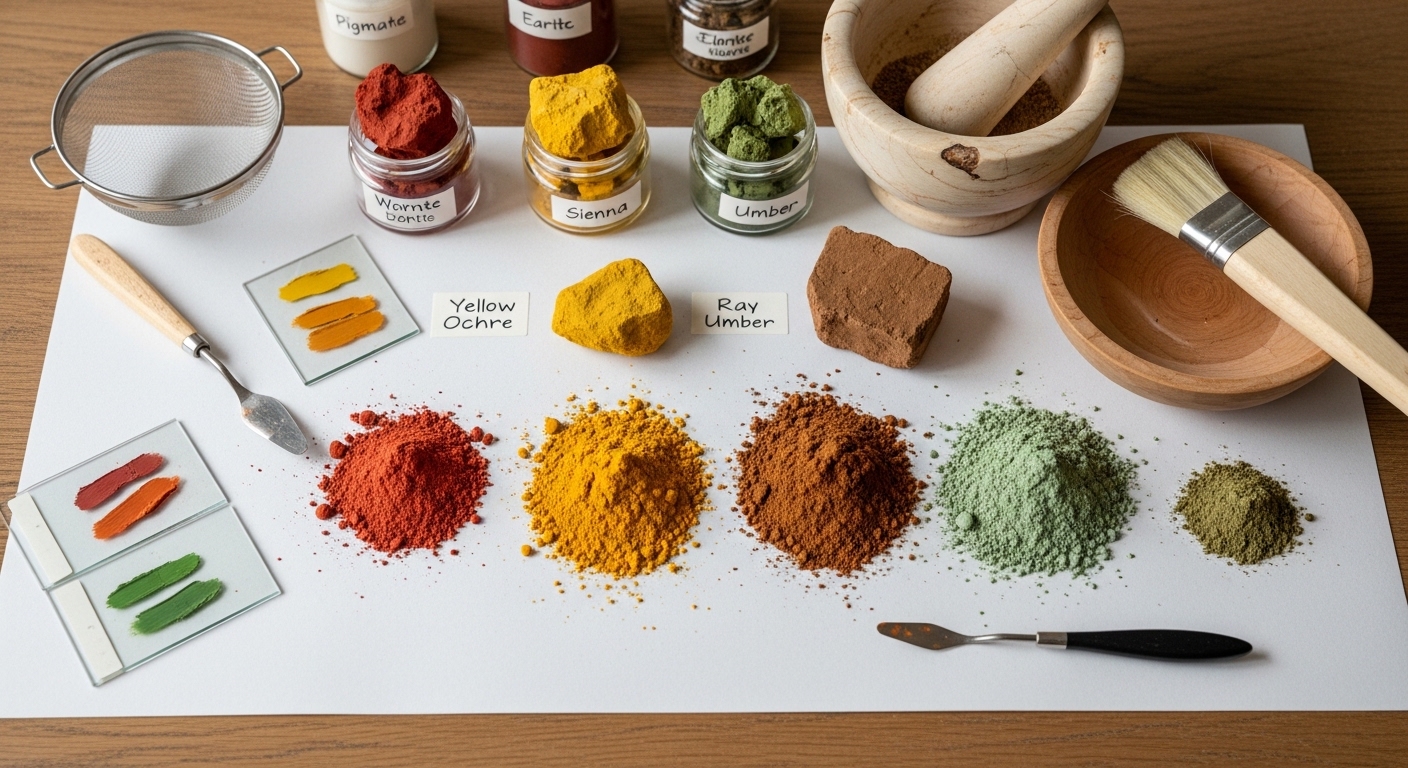
Natural pigment making is gaining renewed attention as artists and creators seek sustainable and authentic ways to produce colors. In contrast to modern synthetic dyes, natural pigment making uses earth-derived sources such as minerals, plants, and organic matter to create organic colors. This revival reflects a broader movement toward eco-conscious creativity and a deeper appreciation for traditional painting techniques.
For centuries, civilizations relied on handmade pigments to create artwork, decorate structures, and preserve cultural stories. Today, this ancient practice is being rediscovered by modern artists who value sustainability, craftsmanship, and originality. The use of natural pigment making not only connects artists to historical methods but also provides a more environmentally friendly alternative to conventional art materials. As awareness grows, more individuals are embracing this practice as both a creative and responsible choice.
Understanding the Process of Natural Pigment Making
Natural pigment making involves several steps that transform raw materials into usable art materials. The process typically begins with sourcing natural elements such as clay, ochre, charcoal, and plant-based substances. These materials are then cleaned and processed to remove impurities before being ground into fine powders. This grinding process is essential for creating smooth and consistent handmade pigments.
Mineral-based pigments are among the most commonly used in traditional painting. Earth minerals like iron oxide produce rich reds, yellows, and browns, while charcoal provides deep black tones. Plant-based pigments, on the other hand, are extracted by boiling or crushing leaves, flowers, and roots. These organic colors often produce softer and more delicate shades, making them ideal for certain artistic styles.
To convert these pigments into paint, artists mix them with binding agents such as water, oil, or natural resins. This combination allows the pigments to adhere to surfaces and creates different types of paints. The versatility of natural pigment making enables artists to experiment with various mediums, enhancing their creative expression while maintaining a connection to traditional painting practices.
Benefits of Using Organic Colors and Handmade Pigments
One of the most significant advantages of natural pigment making is its environmental sustainability. Unlike synthetic pigments, which often involve chemical processes and pollutants, organic colors are derived from natural sources with minimal environmental impact. This makes them an ideal choice for artists who prioritize eco-friendly art materials.
Another benefit is the unique aesthetic quality of handmade pigments. Natural pigments often exhibit subtle variations in color and texture, adding depth and character to traditional painting. These variations make each piece of artwork distinctive, reflecting the individuality of both the artist and the materials used.
Natural pigment making also fosters a deeper connection between the artist and their craft. By sourcing and preparing their own pigments, artists gain a greater understanding of their materials and processes. This hands-on approach enhances creativity and encourages experimentation, making it a rewarding practice for both beginners and experienced artists.
Additionally, many organic colors are non-toxic and safer to handle compared to synthetic alternatives. This makes natural pigment making suitable for educational settings and community art projects, where safety is a priority. As more people become aware of these benefits, the demand for sustainable art materials continues to grow.
Comparison Table: Natural Pigments vs Synthetic Art Materials
| Feature | Natural Pigments | Synthetic Art Materials |
|---|---|---|
| Source | Earth materials and organic colors | Chemically manufactured |
| Environmental Impact | Eco-friendly and sustainable | Potentially harmful to environment |
| Color Variation | Unique and natural variations | Uniform and consistent colors |
| Safety | Generally non-toxic | May contain harmful chemicals |
| Cost | Low if self-sourced | Higher commercial cost |
| Artistic Value | Strong link to traditional painting | Standardized for mass production |
This comparison highlights how natural pigment making offers advantages in sustainability, safety, and artistic authenticity. While synthetic art materials provide convenience, handmade pigments deliver a richer and more meaningful creative experience.
Challenges in Natural Pigment Making and Practical Limitations
Despite its benefits, natural pigment making presents several challenges. One of the main difficulties is the time and effort required to collect and process raw materials. Unlike ready-made art materials, natural pigments require preparation, which can be labor-intensive and time-consuming.
Another challenge is achieving consistent results. Organic colors can vary depending on the source and preparation method, making it difficult to replicate the exact same shade. This variability can be challenging for artists who require precise color matching in their work. However, many artists view this unpredictability as part of the charm of traditional painting.
Access to resources can also be a limitation, particularly in urban environments where natural materials may not be readily available. Artists may need to source materials from specialized suppliers or travel to specific locations. Despite these challenges, growing interest in natural pigment making has led to increased availability of resources and educational materials.
Modern artists are also adapting traditional techniques to overcome these limitations. By combining natural pigment making with contemporary tools and methods, they are finding new ways to streamline the process while maintaining authenticity. This blend of tradition and innovation ensures that handmade pigments remain relevant in today’s art world.
The Future of Natural Pigment Making in Sustainable Art Practices
The future of natural pigment making is closely tied to the increasing emphasis on sustainability and ethical practices in the art industry. As more artists and consumers prioritize eco-friendly solutions, the demand for organic colors and sustainable art materials is expected to grow. This trend is encouraging innovation and experimentation within the field of traditional painting.
Educational institutions and art communities are playing a significant role in promoting natural pigment making. Workshops, courses, and collaborative projects are helping to preserve traditional techniques while introducing them to new audiences. These initiatives ensure that the knowledge and skills associated with handmade pigments are passed down to future generations.
Technological advancements are also contributing to the growth of natural pigment making. Improved tools and techniques allow artists to achieve greater precision and efficiency without compromising the authenticity of their materials. This integration of modern technology with traditional practices is expanding the possibilities for creative expression.
As awareness of environmental issues continues to rise, natural pigment making will likely become an integral part of sustainable art movements. By embracing organic colors and eco-friendly art materials, artists can contribute to a more responsible and innovative creative landscape.
Final Thoughts
Natural pigment making is a powerful example of how traditional practices can be revitalized to meet modern needs. By creating organic colors from earth materials, artists are embracing sustainability, authenticity, and creativity. The use of handmade pigments not only enhances traditional painting but also strengthens the connection between art and nature.
While challenges such as time investment and resource availability exist, the benefits of natural pigment making far outweigh the limitations. Its emphasis on eco-friendly art materials and unique artistic expression makes it a valuable practice for artists of all levels. As the demand for sustainable and meaningful art continues to grow, natural pigment making will remain a vital and inspiring part of the creative world.