Learning to manage time efficiently is one of the most valuable life skills anyone can develop. Time is limited, and unlike money or resources, it cannot be replaced once it is gone. When time is used wisely, life feels more organized, productive, and balanced. However, when time is mismanaged, stress, pressure, and frustration begin to take control. Many people feel overwhelmed not because they have too many responsibilities, but because their time is not structured properly. Efficient time management allows individuals to handle work, personal responsibilities, and rest without feeling exhausted. It improves focus, reduces stress, increases productivity, and supports better decision-making. Understanding why managing time matters is the first step toward building a more structured and successful daily life.
How Planning Supports Effective Time Management
Planning is one of the most powerful time management tips because it gives direction and clarity to daily activities. Without planning, people often jump from one task to another without proper focus, wasting energy and time. A well-structured plan helps prioritize important tasks, prevents last-minute stress, and creates a sense of control. Planning also helps identify unnecessary activities that consume time without adding value. When individuals begin each day or week with a clear plan, their actions become more intentional. Tasks feel more manageable, goals feel more achievable, and productivity becomes easier to maintain. Planning does not eliminate responsibilities, but it organizes them in a smarter, more efficient way.
Practical Productivity Methods to Manage Time Efficiently
Managing time efficiently becomes easier when supported by simple, practical productivity methods. These methods help individuals stay organized, focused, and disciplined in daily life. The table below highlights helpful techniques and how they improve time management.
| Productivity Method | Description | Benefit |
|---|---|---|
| To-Do Lists | Write down tasks instead of relying on memory | Improves clarity and focus |
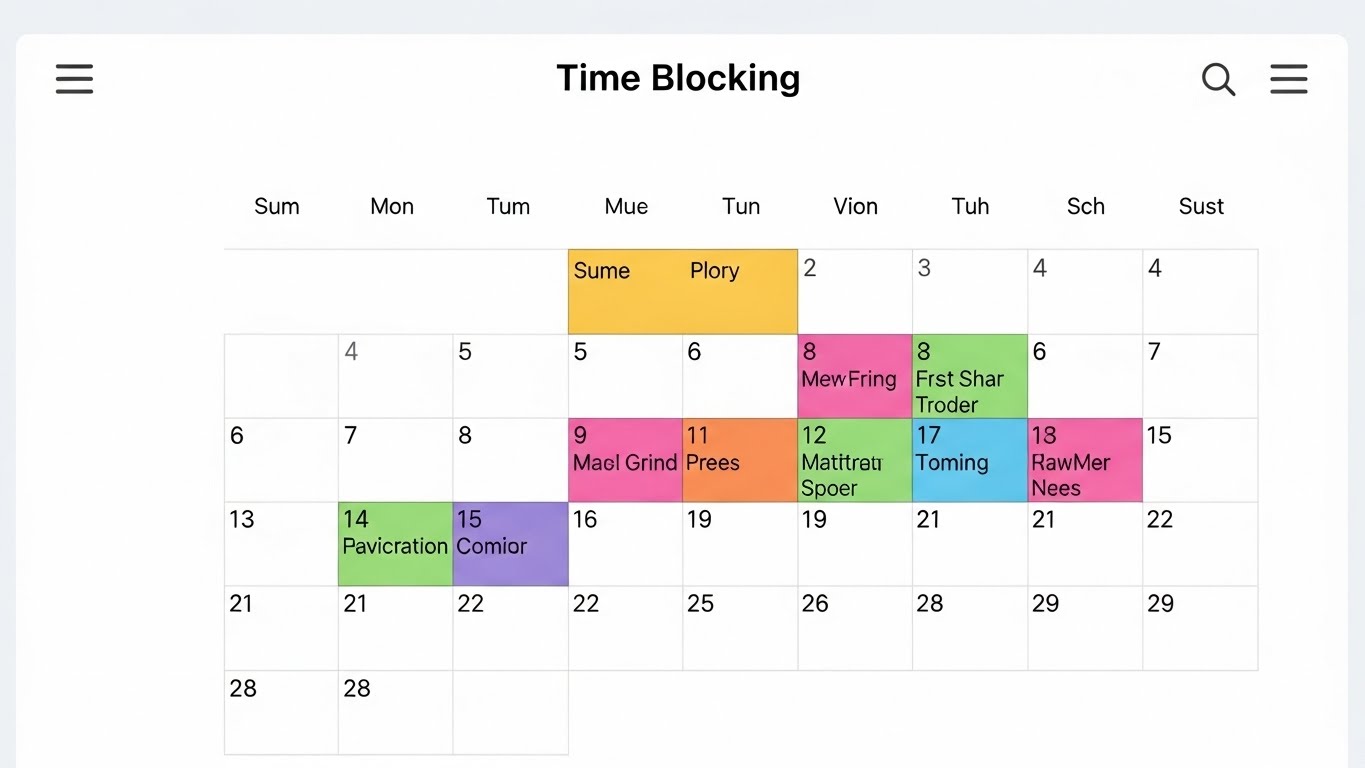
| Time Blocking | Assign specific time periods for tasks | Prevents distractions |
| Prioritizing Tasks | Focus on most important work first | Increases productivity |
| Break Large Tasks | Divide work into smaller steps | Reduces overwhelm |
| Regular Reviews | Check progress and adjust plans | Supports consistent improvement |
Applying these methods consistently helps transform time from something stressful into something manageable and productive.
Reducing Distractions to Improve Work Efficiency
One of the biggest challenges in time management is dealing with distractions. Modern life is full of interruptions such as social media, unnecessary notifications, constant messaging, and environmental distractions. These interruptions may seem small, but they break concentration and waste valuable time. To manage time efficiently, it is important to create distraction-free working periods. Turning off non-essential notifications, setting specific times for checking messages, and creating a quiet workspace can significantly improve focus. Another helpful technique is avoiding multitasking. While multitasking may seem efficient, it often reduces accuracy and increases stress. Focusing on one task at a time improves work quality and saves time in the long run. When distractions are controlled, time is used with greater purpose and effectiveness.
The Role of Routine and Discipline in Time Management
Routine and discipline are key elements in learning how to manage time efficiently. A structured routine helps the brain understand when it is time to work, rest, or relax. Consistent routines reduce confusion and decision fatigue, making it easier to stay productive. Simple routines such as planning the day in the morning, reviewing tasks at night, maintaining fixed working hours, and scheduling breaks create stability. Discipline supports these routines by ensuring they are followed even when motivation decreases. Discipline means choosing responsibility over distraction and long-term benefits over temporary comfort. Over time, discipline and routine transform time management from effort into habit, making life more organized and balanced.
Balancing Work, Responsibilities, and Personal Time
Efficient time management is not only about finishing tasks faster; it is also about maintaining balance. Many people focus only on productivity and forget to include rest, relaxation, and personal time. However, balance is essential for long-term efficiency. When individuals overwork without rest, they experience burnout, fatigue, and lack of motivation. Proper time management ensures that work responsibilities, personal life, and self-care are all given importance. Scheduling leisure time, family time, and relaxation is just as important as scheduling work. This balance keeps the mind refreshed, supports emotional well-being, and increases energy levels. When life is balanced, productivity naturally improves.
Overcoming Common Time Management Challenges
Even with strong planning, challenges such as procrastination, lack of motivation, and unexpected events can make time management difficult. Procrastination often happens when tasks feel too large or overwhelming. Breaking tasks into smaller steps solves this problem. Lack of motivation can be improved by setting meaningful goals and reminding yourself why the task matters. Unexpected events are part of life, and time management should be flexible enough to handle them. Instead of giving up when plans change, adjust and continue. Learning from mistakes, reviewing what went wrong, and improving strategies help strengthen time management skills over time.
Long-Term Benefits of Managing Time Efficiently
Managing time efficiently creates powerful long-term benefits. It improves productivity, reduces stress, and increases success in personal and professional life. Efficient time management builds confidence because completing tasks on time feels rewarding. It strengthens discipline, organization, and responsibility. Good time management also supports better health, emotional balance, and overall quality of life. When individuals control their time, they gain more control over their future.
Final Thought
Learning to manage time efficiently is essential for achieving productivity, balance, and success. By using smart planning, practicing productivity methods, reducing distractions, and maintaining discipline, anyone can improve how they use their time. With patience and consistency, time management becomes a natural habit, leading to a more organized, peaceful, and successful life.