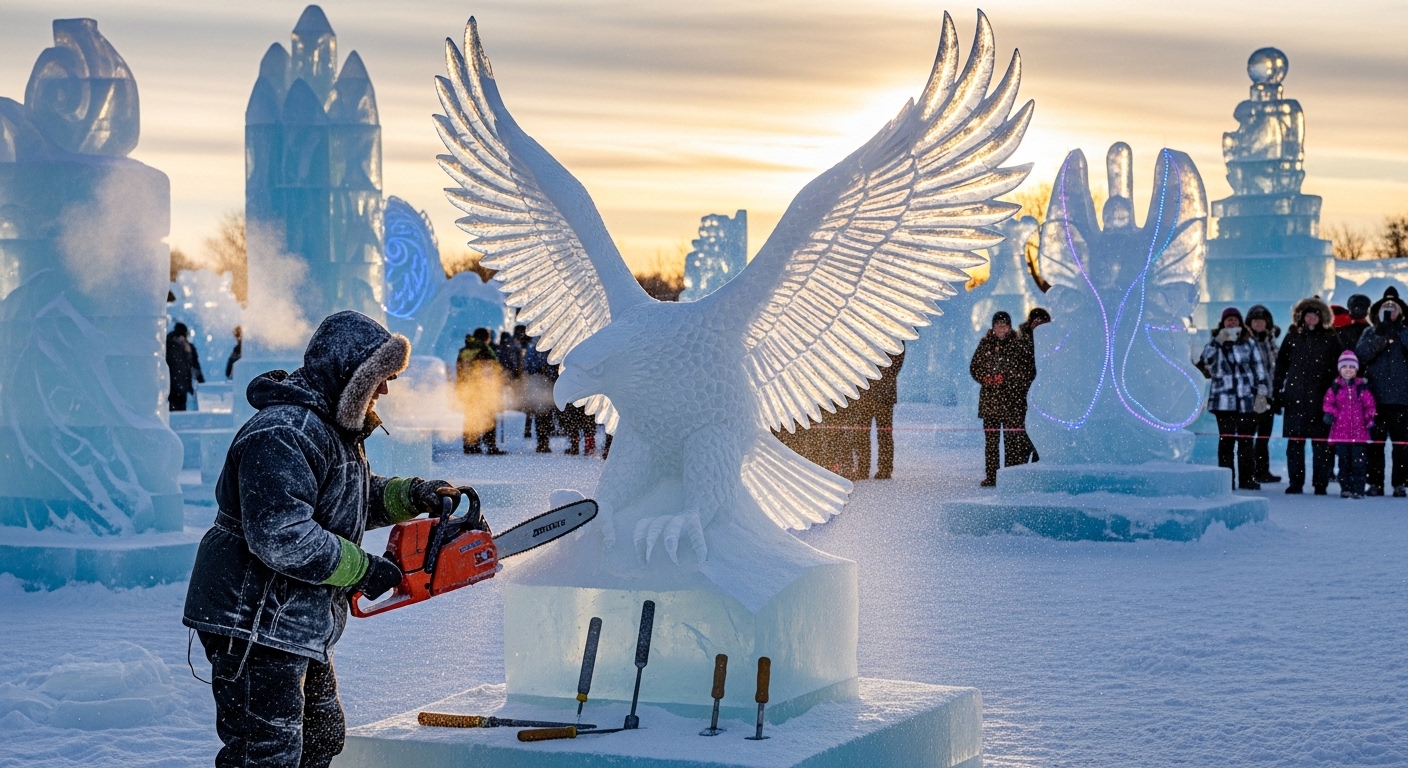
Ice sculpting is a unique and visually captivating form of artistic expression that transforms frozen water into intricate designs and structures. Unlike traditional forms of sculpture, ice sculpting is inherently temporary, as the artwork eventually melts and disappears. This fleeting nature is what makes it especially fascinating within the realm of winter art. Artists embrace the challenge of creating beauty that exists only for a limited time, adding a sense of urgency and creativity to the process.
As interest in experiential and seasonal art grows, ice sculpting has become a popular attraction at festivals, exhibitions, and events around the world. The combination of ice carving and environmental conditions creates a dynamic form of expression that changes over time. This evolving nature highlights the importance of creative skills and innovation, as artists must adapt their sculpture techniques to the unique properties of ice. The result is a stunning display of artistry that captivates audiences and celebrates the beauty of winter.
Understanding Ice Sculpting and Ice Carving Techniques
Ice sculpting involves shaping large blocks of ice into detailed forms using specialized tools and methods. Ice carving is the primary technique used in this process, where artists cut, chip, and refine the ice to achieve their desired design. The process begins with selecting high-quality ice, which must be clear and free of impurities to ensure a smooth finish.
Artists use a variety of tools, including chainsaws, chisels, and grinders, to execute different sculpture techniques. Rough shaping is often done with power tools, while finer details are added using hand tools. This combination of methods requires precision and strong creative skills, as even a small mistake can affect the entire sculpture.
Events such as the Harbin International Ice and Snow Sculpture Festival showcase the incredible potential of ice sculpting. These large-scale exhibitions feature massive sculptures, intricate designs, and innovative uses of lighting to enhance the visual impact of winter art. Such events highlight how ice carving has evolved into a sophisticated and highly respected artistic discipline.
Benefits of Ice Sculpting for Artists and Audiences
One of the key benefits of ice sculpting is its ability to inspire creativity. The temporary nature of the medium encourages artists to experiment with new designs and push the boundaries of their creative skills. Unlike permanent materials, ice allows for continuous innovation, as artists are not constrained by the need for long-term durability.
Ice sculpting also provides a unique visual experience for audiences. The transparency and reflective qualities of ice create stunning effects, especially when combined with lighting. This makes winter art installations highly engaging and memorable, attracting visitors to festivals and events.
Another advantage is the opportunity for skill development. Ice sculpting requires mastery of various sculpture techniques, from basic carving to advanced detailing. Artists must also understand the physical properties of ice, including its strength, temperature sensitivity, and melting behavior. This knowledge enhances their overall artistic abilities and contributes to their growth as creators.
Additionally, ice sculpting promotes cultural exchange and community engagement. Festivals and competitions bring together artists from different backgrounds, fostering collaboration and sharing of techniques. These events celebrate creativity and highlight the universal appeal of art, making ice sculpting an important part of global winter art traditions.
Comparison Table: Ice Sculpting vs Traditional Sculpture
| Feature | Ice Sculpting | Traditional Sculpture |
|---|---|---|
| Material | Ice (temporary) | Stone, metal, wood (permanent) |
| Longevity | Short-lived, melts over time | Long-lasting and durable |
| Tools Used | Chainsaws, chisels, grinders | Chisels, hammers, advanced machinery |
| Artistic Approach | Focus on speed and adaptability | Focus on precision and permanence |
| Environmental Dependency | Requires freezing conditions | Can be created in various environments |
| Creative Skills | High adaptability and innovation | Technical mastery and durability focus |
This comparison highlights how ice sculpting differs significantly from traditional sculpture. While permanent sculptures emphasize longevity, ice sculpting celebrates impermanence and creativity within the constraints of winter art.
Challenges and Limitations of Ice Sculpting
Despite its beauty, ice sculpting presents several challenges. One of the most significant difficulties is the dependence on environmental conditions. Ice sculpting requires consistently low temperatures to prevent melting, which limits where and when artists can work.
Another challenge is the fragility of the material. Ice can crack or break easily, making it difficult to execute complex designs. Artists must carefully plan their sculpture techniques and work efficiently to avoid damaging their creations. Time constraints also play a role, as sculptures must often be completed quickly before environmental factors affect the ice.
Transporting and storing ice blocks can also be challenging. Large sculptures require substantial amounts of ice, which must be handled carefully to maintain quality. Additionally, safety considerations are important, as the use of sharp tools and heavy equipment requires proper training and precautions.
Despite these challenges, artists continue to push the boundaries of ice sculpting by developing new techniques and tools. Their dedication to the craft ensures that winter art remains a vibrant and evolving form of expression.
The Future of Ice Sculpting in Modern Art
The future of ice sculpting looks promising as interest in experiential and seasonal art continues to grow. Advances in technology are enabling artists to experiment with new sculpture techniques, including the use of LED lighting and digital design tools. These innovations enhance the visual impact of ice sculptures and attract wider audiences.
Sustainability is also becoming an important consideration in ice sculpting. Artists and event organizers are exploring ways to minimize environmental impact, such as using recycled water and energy-efficient lighting. These efforts align with broader trends in eco-friendly art practices.
Ice sculpting is also gaining recognition as a professional discipline, with competitions and exhibitions providing platforms for artists to showcase their creative skills. As more people appreciate the artistry and complexity of ice carving, the field is likely to expand and evolve.
Educational programs and workshops are further supporting the growth of ice sculpting. By teaching new generations of artists the fundamentals of sculpture techniques, these initiatives ensure the continuation of this unique art form. As a result, ice sculpting will remain an important part of winter art and cultural celebrations.
Final Thoughts
Ice sculpting is a remarkable art form that combines creativity, skill, and environmental awareness to produce stunning temporary masterpieces. Through ice carving and advanced sculpture techniques, artists transform frozen water into intricate works of winter art that captivate audiences and inspire admiration.
While the challenges of working with ice are significant, the rewards of creating such unique and ephemeral art are equally compelling. Ice sculpting highlights the beauty of impermanence and the power of creative skills, making it a truly distinctive form of artistic expression. As interest in innovative and experiential art continues to grow, ice sculpting will remain a captivating and evolving part of the global art landscape.