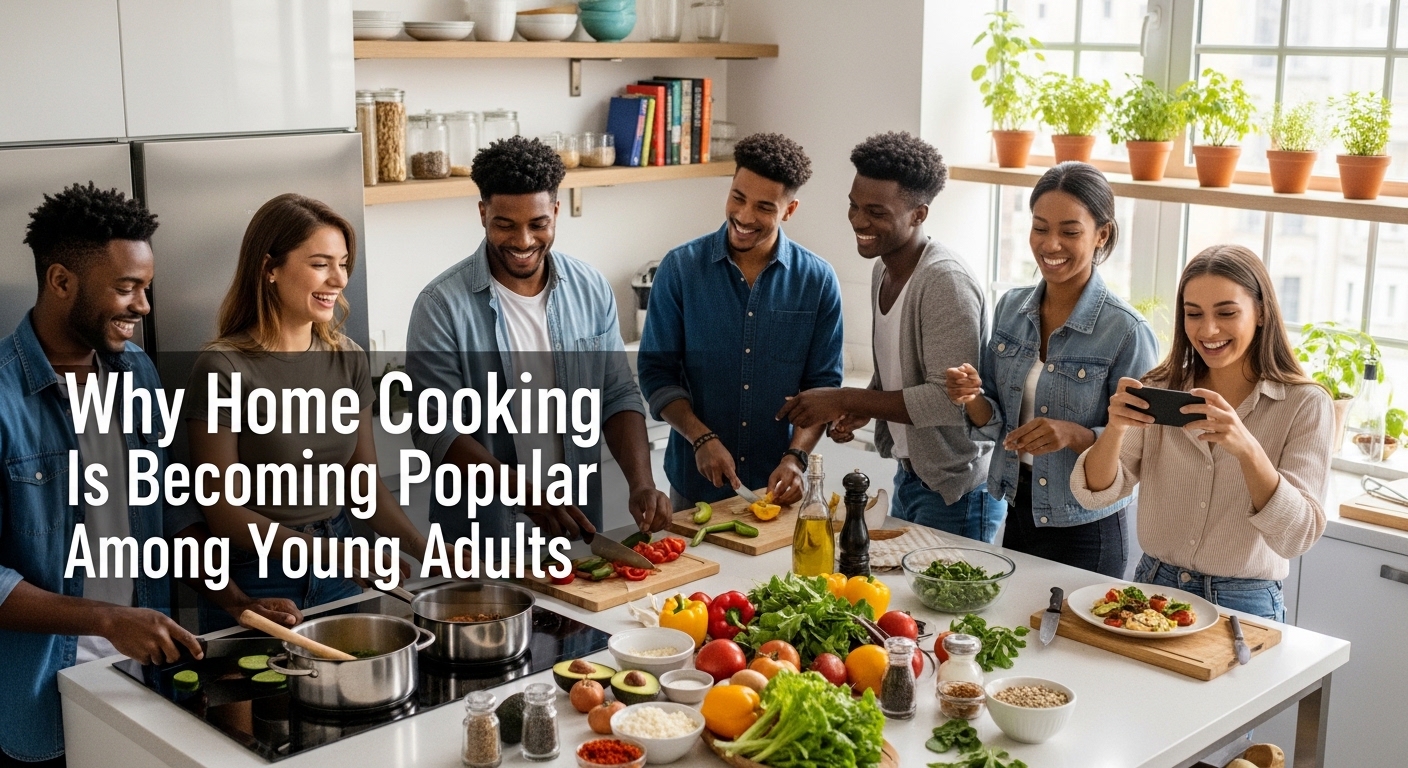
Home cooking has experienced a significant resurgence in recent years, particularly among young adults who are increasingly interested in preparing their own meals rather than relying on restaurants or packaged foods. While convenience and fast food once dominated modern lifestyles, many individuals are rediscovering the benefits of cooking at home. This trend reflects changing priorities related to health, cost management, and personal lifestyle choices.
Young adults today are more aware of the connection between food habits and overall well-being. Preparing healthy meals at home allows individuals to control ingredients, portion sizes, and cooking methods. As awareness of nutrition grows, many people are choosing to develop basic kitchen skills that help them maintain a balanced diet. Social media platforms and online cooking tutorials have also contributed to the popularity of home cooking by making recipes and culinary techniques easily accessible.
In addition to health benefits, home cooking offers an opportunity for creativity and personal expression. Preparing meals can be a relaxing and rewarding activity that allows individuals to experiment with flavors, ingredients, and cultural cuisines. As a result, cooking at home has evolved from a daily necessity into a meaningful lifestyle practice embraced by a new generation.
Health Benefits of Cooking at Home
One of the primary reasons home cooking is becoming popular among young adults is the growing focus on health and nutrition. When individuals prepare their own meals, they have complete control over the ingredients used in the cooking process. This control allows them to reduce excessive salt, sugar, and unhealthy fats often found in processed foods or restaurant meals.
Healthy meals prepared at home often include fresh vegetables, whole grains, lean proteins, and natural ingredients. These foods provide essential nutrients that support overall physical health and energy levels. By developing kitchen skills, individuals can create balanced meals that meet their dietary preferences and nutritional needs.
Cooking at home also encourages mindful eating habits. When people invest time and effort in preparing their food, they are more likely to appreciate the meal and consume it more thoughtfully. This awareness helps reduce overeating and promotes healthier food habits.
Another advantage of cooking at home is the ability to accommodate specific dietary requirements. Individuals with food allergies, intolerances, or health conditions can tailor their meals accordingly. This level of customization is difficult to achieve when relying heavily on restaurant food or prepackaged meals.
Economic Advantages of Home Cooking
Beyond health benefits, cooking at home provides significant financial advantages. Restaurant dining and frequent food delivery services can quickly become expensive, especially for young adults managing tight budgets. Preparing meals at home is generally more cost-effective because ingredients can be purchased in bulk and used across multiple dishes.
Young adults who learn kitchen skills often discover that they can prepare nutritious meals at a fraction of the cost of dining out. This financial efficiency allows individuals to allocate resources toward other priorities such as education, travel, or savings.
The following table highlights a comparison between cooking at home and dining out.
| Meal Option | Average Cost | Nutritional Control | Long-Term Benefit |
|---|---|---|---|
| Home cooking | Lower cost per meal | High control over ingredients | Better food habits |
| Restaurant dining | Higher cost per meal | Limited ingredient control | Convenience |
| Food delivery | Often highest cost | Variable nutrition | Quick access |
This comparison illustrates how home cooking can provide both economic and health benefits for individuals seeking a balanced lifestyle.
Role of Kitchen Skills in Modern Lifestyle
Kitchen skills are becoming an essential life skill for young adults as they transition into independent living. Knowing how to cook basic meals provides confidence and self-sufficiency. Simple skills such as chopping vegetables, measuring ingredients, and following recipes can significantly improve meal preparation efficiency.
Developing kitchen skills also encourages creativity in the kitchen. Once individuals become comfortable with basic techniques, they can experiment with different cuisines and ingredients. This experimentation allows people to create unique dishes that reflect their personal tastes and cultural influences.
Educational institutions and community programs increasingly recognize the importance of teaching cooking skills. Workshops, cooking classes, and online tutorials help young adults learn practical techniques that improve their ability to prepare healthy meals. These educational initiatives contribute to better food habits and long-term wellness.
Cooking at home can also strengthen social connections. Preparing meals for friends or family members creates opportunities for shared experiences and meaningful conversations. Food has always been an important element of cultural and social traditions, and home cooking helps maintain these connections.
Influence of Digital Media on Cooking Trends
Digital media has played a major role in popularizing home cooking among younger generations. Social media platforms feature thousands of recipe videos, cooking demonstrations, and food photography that inspire viewers to try new dishes. These visual guides make cooking appear accessible and enjoyable.
Food bloggers and online chefs often share step-by-step instructions that simplify complex recipes. This accessibility encourages beginners to develop kitchen skills without feeling intimidated by traditional cooking methods. As a result, cooking at home has become more approachable for people with limited culinary experience.
Online communities also provide spaces where individuals can share recipes, cooking tips, and meal preparation strategies. These communities promote experimentation and cultural exchange by introducing users to international cuisines and cooking styles. Through digital platforms, cooking has become both a practical skill and a social activity.
Additionally, meal planning and recipe apps help users organize their weekly menus and grocery lists. These tools simplify the process of cooking at home and make it easier for busy individuals to maintain healthy food habits.
Long-Term Impact of Home Cooking on Lifestyle
The growing popularity of home cooking among young adults suggests a broader shift toward healthier and more mindful lifestyles. Individuals who regularly prepare their own meals often develop better food habits that support long-term well-being. Cooking at home encourages balanced nutrition, financial responsibility, and creativity.
Learning kitchen skills also promotes independence and confidence. Individuals who can prepare meals for themselves are less dependent on external food sources and more capable of maintaining consistent dietary habits. This independence becomes especially valuable during busy work schedules or academic commitments.
Home cooking also supports sustainable living practices. Preparing meals at home often reduces food waste and packaging associated with takeout or processed foods. Many individuals who cook regularly become more conscious of ingredient sourcing and environmental impact.
As awareness of health, sustainability, and financial responsibility continues to grow, home cooking is likely to remain an important lifestyle practice. The combination of practical benefits and personal satisfaction makes cooking at home a valuable skill for modern living.
Final Thought
Home cooking is becoming increasingly popular among young adults because it offers a powerful combination of health benefits, financial savings, and personal satisfaction. By developing kitchen skills and preparing healthy meals at home, individuals can build positive food habits that support long-term well-being. As modern lifestyles continue to evolve, cooking at home remains a meaningful practice that promotes independence, creativity, and a healthier relationship with food.