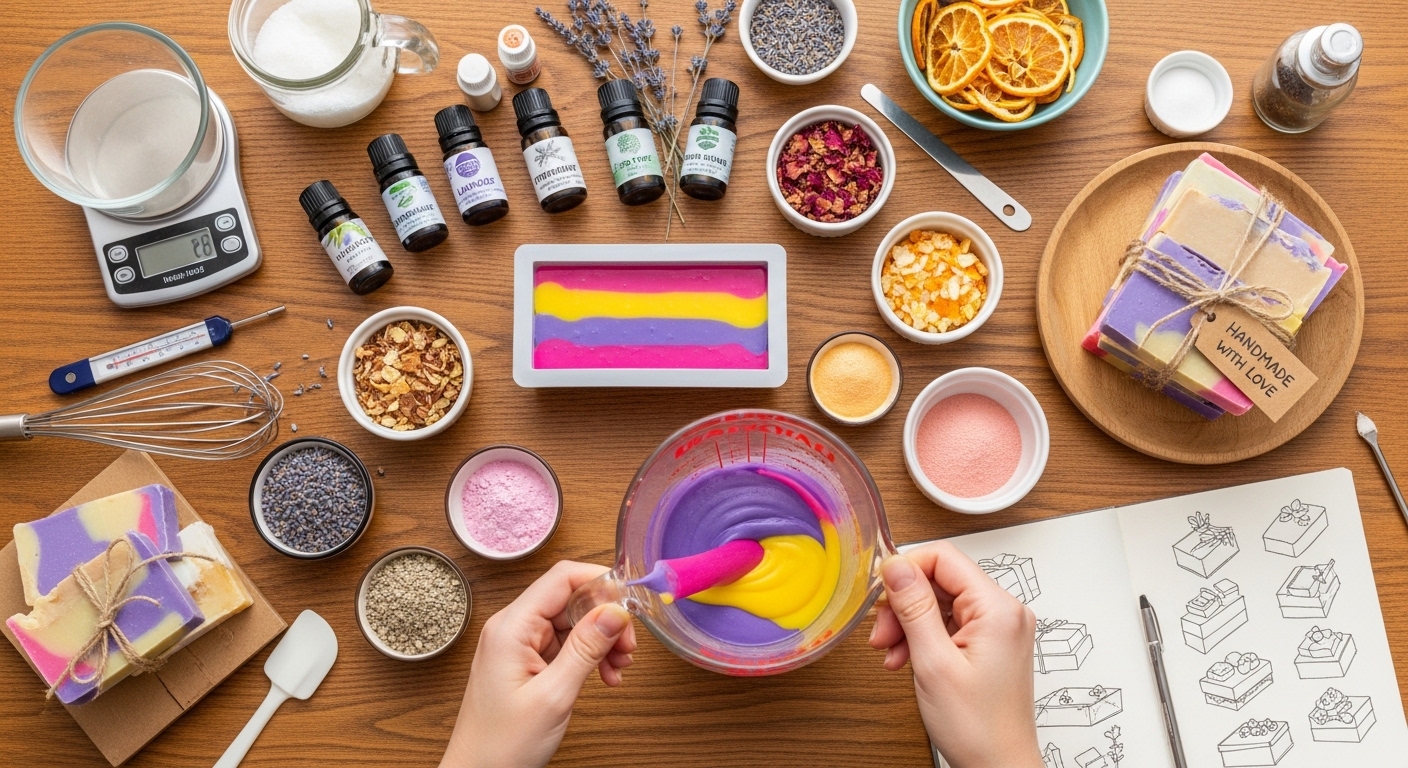
Handmade soap making has become one of the fastest growing craft hobbies among people who enjoy creative home activities and natural skincare. Instead of purchasing mass-produced soaps from stores, many individuals are learning how to create their own natural soap using simple ingredients and creative techniques. This trend reflects a growing interest in DIY skincare and home crafts that allow people to personalize the products they use every day.
Craft soap making offers a unique combination of creativity and practicality. Hobbyists can design soaps in different shapes, colors, fragrances, and textures while controlling the ingredients used in their products. This flexibility allows individuals to experiment with natural oils, botanical extracts, and essential oils to create customized soaps suited to their preferences.
The popularity of handmade soap making is also connected to increasing awareness about skincare ingredients. Many people prefer natural soap because it often avoids harsh chemicals found in some commercial products. By making soap at home, individuals can select gentle ingredients that suit sensitive skin while enjoying the creative process of crafting unique soap bars.
History and Tradition of Natural Soap
Soap making has a long history that dates back thousands of years. Ancient civilizations discovered that combining fats with alkaline substances could produce a cleansing material capable of removing dirt and oils. Early forms of soap were used for washing clothes and cleaning surfaces rather than personal hygiene.
Historical records suggest that ancient Babylonians and Egyptians were among the first cultures to experiment with soap-like substances. Over time, soap making evolved into a valuable craft practiced by skilled artisans who produced soaps using natural oils and plant extracts.
During the medieval period, soap making became an important trade in many parts of Europe and the Middle East. Soap makers developed recipes using olive oil, animal fats, and natural fragrances. Some regions became famous for their soap production, creating products that were traded across continents.
Although industrial manufacturing later introduced mass-produced soaps, traditional soap making techniques remained popular among artisans and small businesses. Today, the revival of handmade soap making reflects renewed appreciation for natural ingredients and traditional craftsmanship.
Essential Ingredients and Tools for Craft Soap
Creating handmade soap requires a combination of ingredients and tools that allow soap makers to safely combine oils, fragrances, and other elements. While there are several soap-making methods, most DIY skincare projects rely on similar basic materials.
The table below highlights common ingredients and tools used in craft soap making.
| Ingredient or Tool | Purpose | Benefit |
|---|---|---|
| Base oils (olive, coconut, palm) | Provide cleansing and moisturizing properties | Nourishes skin |
| Lye solution | Reacts with oils to create soap | Essential for soap formation |
| Essential oils | Adds fragrance and therapeutic benefits | Enhances aroma |
| Soap molds | Shapes the soap bars | Creates decorative designs |
| Mixing tools and containers | Blends ingredients safely | Ensures proper consistency |
These ingredients allow soap makers to experiment with various formulations. Some hobbyists add natural ingredients such as dried herbs, flower petals, honey, or oatmeal to create visually appealing and skin-friendly soaps.
Beginners often start with simple soap recipes before experimenting with more complex designs and ingredients. As their skills improve, they can develop unique craft soap products that reflect their creativity and personal preferences.
Creative Aspects of Handmade Soap Making
One of the main reasons handmade soap making has become a popular craft hobby is the creative freedom it offers. Soap makers can design products that look like miniature works of art. Different color combinations, layered patterns, and decorative toppings allow individuals to create visually stunning soap bars.
Some craft soap makers specialize in artistic designs that resemble gemstones, desserts, or natural landscapes. By carefully mixing pigments and pouring layers of soap batter, they create intricate patterns that make each bar unique.
Fragrance blending is another creative aspect of DIY skincare. Essential oils such as lavender, citrus, eucalyptus, and peppermint can be combined to produce customized scents. These fragrances not only make the soap enjoyable to use but may also provide relaxing or refreshing sensory experiences.
Handmade soap makers often experiment with texture by incorporating exfoliating ingredients such as coffee grounds, sea salt, or crushed seeds. These additions create soaps that gently remove dead skin cells while cleansing the skin.
The artistic possibilities of craft soap make it appealing to people who enjoy creative hobbies that combine design and functionality.
Benefits of Natural Soap and DIY Skincare
Many individuals choose handmade soap making because it allows them to control the ingredients used in their skincare products. Commercial soaps may contain synthetic fragrances, preservatives, and detergents that can irritate sensitive skin. Natural soap, on the other hand, often contains plant-based oils and gentle ingredients that provide moisturizing benefits.
DIY skincare also encourages awareness of product composition. When individuals create their own soap, they gain a deeper understanding of how different ingredients interact with the skin. This knowledge helps them choose ingredients that match their skincare needs.
Handmade soap also tends to retain glycerin, a natural byproduct of the soap-making process that helps moisturize the skin. In some commercial soap production methods, glycerin is removed and used in other products. By making soap at home, individuals can preserve this beneficial ingredient.
Another advantage of handmade soap is sustainability. Many hobbyists choose eco-friendly ingredients and packaging to reduce environmental impact. Natural oils, biodegradable materials, and reusable molds make handmade soap a more environmentally conscious alternative to mass-produced products.
Additionally, the process of making soap can be relaxing and rewarding. Engaging in creative home crafts allows individuals to focus on hands-on activities that promote mindfulness and reduce stress.
Handmade Soap Making as a Growing Craft Community
The growing interest in handmade soap making has led to the development of vibrant communities of craft enthusiasts. Online forums, video tutorials, and social media groups allow soap makers to share recipes, techniques, and design ideas.
Workshops and craft fairs also provide opportunities for individuals to learn soap-making skills and showcase their products. Many hobbyists eventually turn their passion into small businesses, selling handmade soaps at local markets or online platforms.
Educational resources have made it easier for beginners to start crafting their own soap. Step-by-step guides explain safety precautions, ingredient measurements, and creative design techniques. These resources ensure that hobbyists can safely practice soap making while developing their skills.
Soap making communities also encourage innovation. Experienced artisans often experiment with new ingredients, molds, and artistic techniques that expand the possibilities of craft soap design.
As interest in natural skincare and handmade products continues to grow, handmade soap making is likely to remain a popular hobby that combines creativity with practical benefits.
Final Thought
Handmade soap making has emerged as a popular craft hobby because it blends creativity, natural skincare, and traditional craftsmanship. Through DIY skincare and home crafts, individuals can design unique natural soap products that reflect their personal style while using ingredients that support healthy skin. As more people explore creative hobbies that offer both artistic expression and practical value, handmade soap making continues to grow as an inspiring and rewarding craft.