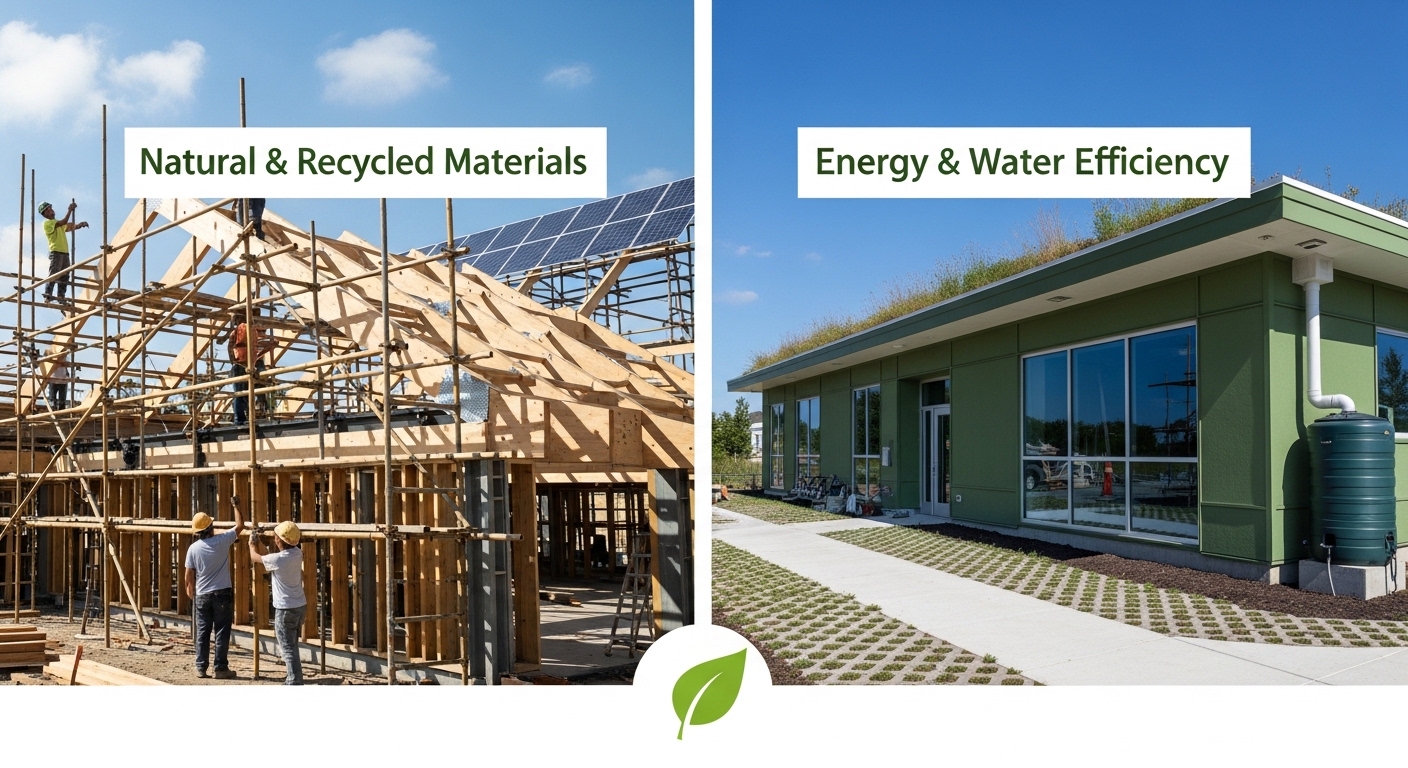
Green building materials are transforming the construction industry by enabling structures that are environmentally responsible, resource efficient, and healthier for occupants. Traditional construction methods often rely on materials with high carbon footprints, intensive resource extraction, and long-term environmental impacts. As awareness of climate change and sustainability grows, eco construction practices are shifting toward materials that reduce environmental harm while maintaining performance and durability. This transition is central to sustainable architecture and modern green design strategies.
Buildings account for a significant share of global energy consumption, resource use, and carbon emissions. The materials used in construction play a major role in these impacts, from raw material extraction to manufacturing and disposal. Green building materials aim to minimize lifecycle environmental effects through renewable sourcing, recyclability, energy efficiency, and low emissions. As building innovation accelerates, sustainable materials are becoming foundational elements of environmentally responsible construction.
Characteristics of Green Building Materials
Green building materials are defined by several environmental and performance characteristics that distinguish them from conventional alternatives. These materials are often sourced from renewable or recycled resources, require less energy to produce, and emit fewer pollutants during use. Durability and efficiency are also key considerations, as longer-lasting materials reduce maintenance and replacement impacts over time.
Common examples include bamboo, reclaimed wood, recycled steel, low-carbon concrete, natural insulation, and non-toxic finishes. Many green materials also contribute to improved indoor air quality by reducing volatile organic compound emissions. These characteristics support both environmental sustainability and occupant health.
The table below compares typical conventional construction materials with greener alternatives.
| Conventional Material | Green Alternative | Sustainability Benefit |
|---|---|---|
| Portland cement concrete | Low-carbon concrete | Reduced emissions |
| Virgin timber | Reclaimed wood | Resource conservation |
| Fiberglass insulation | Cellulose insulation | Recycled content |
| Steel (new) | Recycled steel | Lower energy use |
| Synthetic finishes | Natural finishes | Low toxicity |
These comparisons illustrate how eco construction can maintain structural performance while reducing environmental impact.
Environmental Benefits in Sustainable Architecture
Green building materials play a central role in sustainable architecture by reducing the environmental footprint of buildings across their lifecycle. Extraction and manufacturing of conventional materials often involve high energy use and carbon emissions. Sustainable materials minimize these effects through renewable sourcing, recycling, or low-energy production processes. For example, bamboo grows rapidly and regenerates quickly, making it a highly renewable structural material.
Energy efficiency is another important environmental benefit. Insulation materials derived from natural fibers or recycled content improve thermal performance, reducing heating and cooling energy demand. Reflective roofing materials and advanced glazing systems also contribute to energy-efficient building envelopes. These improvements lower operational energy consumption and associated emissions.
Waste reduction is a further advantage of green building materials. Reclaimed or recycled materials divert waste from landfills and reduce demand for virgin resources. Modular and prefabricated green components also minimize construction waste on-site. Through these combined effects, sustainable architecture can significantly reduce environmental impacts compared to traditional building practices.
Role of Building Innovation in Material Development
Building innovation is driving rapid advancement in green building materials and eco construction techniques. Researchers and manufacturers are developing new materials that combine sustainability with high performance. Examples include bio-based composites, carbon-sequestering concrete, and advanced recycled polymers. These innovations expand the possibilities of green design without compromising structural integrity or aesthetics.
Digital fabrication and prefabrication technologies also support sustainable material use. Precision manufacturing reduces material waste and enables efficient assembly. Smart material systems can respond to environmental conditions, improving energy efficiency and durability. For instance, phase-change materials integrated into walls or ceilings can regulate indoor temperature by absorbing and releasing heat.
Certification systems and standards further encourage adoption of green building materials. Sustainability rating frameworks evaluate material sourcing, emissions, and lifecycle impacts, guiding architects and builders toward environmentally responsible choices. As building innovation continues, green materials are expected to become more cost-effective and widely available.
Economic and Health Advantages of Eco Construction
Beyond environmental benefits, green building materials provide economic and health advantages that support sustainable construction practices. Energy-efficient materials reduce operational costs by lowering heating, cooling, and lighting expenses over a building’s lifetime. Durable materials with longer lifespans decrease maintenance and replacement costs, improving long-term economic performance.
Occupant health and comfort are also enhanced through green design. Materials with low emissions and natural composition improve indoor air quality, reducing exposure to harmful chemicals. Natural lighting materials and thermal comfort systems contribute to well-being and productivity. These factors are particularly important in residential, educational, and workplace environments.
Green building materials can also increase property value and market appeal. As sustainability awareness grows, buyers and tenants increasingly prefer environmentally responsible buildings. Eco construction practices therefore offer competitive advantages in real estate markets. These combined economic and health benefits reinforce the value of sustainable architecture approaches.
Future Outlook of Green Building Materials in Construction
The future of green building materials is closely tied to global sustainability goals and construction industry transformation. Governments and organizations worldwide are promoting low-carbon building standards and circular economy principles. Regulations encouraging energy-efficient and environmentally responsible construction will accelerate adoption of sustainable materials.
Advances in material science are expected to produce next-generation green building materials with enhanced performance and environmental benefits. Carbon-neutral or carbon-negative materials may play a significant role in climate mitigation strategies. Integration of renewable energy systems with building materials will further support sustainable architecture.
Urbanization and population growth will increase demand for construction, making sustainable materials essential for reducing environmental impact at scale. Eco construction practices will likely become standard rather than optional. As building innovation progresses, green design principles will guide the development of resilient, efficient, and environmentally responsible built environments.
Final Thought
Green building materials support sustainable construction practices by reducing environmental impact, improving energy efficiency, and enhancing occupant health. Through advances in eco construction, sustainable architecture, and building innovation, these materials enable greener and more resilient built environments. As sustainability becomes a global priority, green building materials will play an increasingly central role in shaping the future of construction and design.