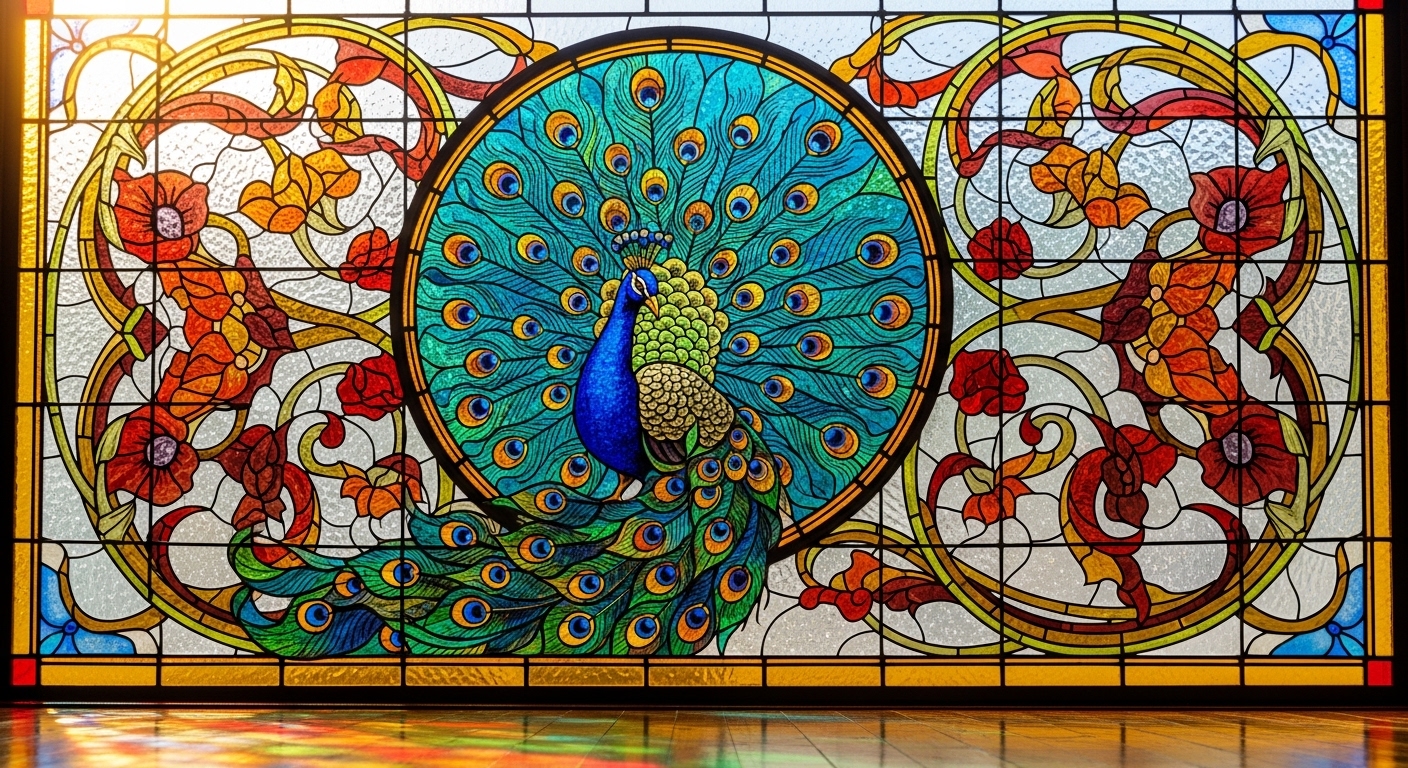
Glass painting is a vibrant and versatile form of decorative painting that transforms plain glass surfaces into colorful and expressive works of art. This technique has gained widespread popularity due to its ability to enhance both functional and decorative objects. From windows and bottles to mirrors and panels, glass painting adds a unique artistic touch that blends beauty with utility.
As interest in creative crafts continues to grow, glass painting has become a favorite activity among artists and hobbyists alike. Its accessibility and adaptability make it suitable for beginners as well as experienced creators. The luminous quality of glass combined with vivid colors creates striking visual effects, making glass painting an essential part of modern glass art and interior decoration trends.
Understanding Glass Painting Techniques and Materials
Glass painting involves applying specially formulated paints onto glass surfaces to create designs. The process begins with cleaning the glass thoroughly to ensure proper adhesion of the paint. Artists then sketch or outline their designs before filling them with colors, using brushes or applicators.
Different techniques are used in glass painting, depending on the desired effect. Transparent paints are commonly used to create stained-glass-like designs, allowing light to pass through and enhance the artwork. Opaque paints, on the other hand, provide solid and bold finishes. These variations make glass painting a diverse form of decorative painting.
Window art is one of the most popular applications of glass painting. Painted windows can transform natural light into colorful displays, creating a dynamic and inviting atmosphere. Cities like Venice have historically influenced glass art traditions, inspiring modern artists to experiment with new styles and techniques.
By mastering these techniques, artists can create a wide range of creative crafts, from decorative panels and vases to customized home decor items. The versatility of glass painting makes it a valuable skill in both artistic and practical contexts.
Benefits of Glass Painting in Decorative and Creative Crafts
One of the main benefits of glass painting is its ability to enhance everyday objects. Items such as bottles, jars, and windows can be transformed into beautiful decorative pieces, adding value and aesthetic appeal. This makes glass painting a practical and creative solution for home decor.
Glass painting also encourages artistic expression. As a form of glass art, it allows artists to experiment with colors, patterns, and techniques, resulting in unique and personalized creations. This freedom makes it an engaging activity within creative crafts.
Another advantage is its affordability. Compared to other art forms, glass painting requires relatively inexpensive materials, making it accessible to a wide audience. This affordability contributes to its popularity as a hobby and professional craft.
Additionally, glass painting can be a relaxing and therapeutic activity. The process of designing and coloring requires focus and patience, helping individuals reduce stress and improve concentration. This makes it an ideal choice for those seeking creative hobbies that promote well-being.
Comparison Table: Glass Painting vs Other Decorative Painting Techniques
| Feature | Glass Painting | Other Decorative Painting |
|---|---|---|
| Surface | Glass surfaces | Canvas, wood, walls |
| Paint Type | Specialized glass paints | Acrylic, oil, etc. |
| Visual Effect | Transparent and luminous | Opaque or textured |
| Application | Window art and decor items | Wall art and general decor |
| Skill Level | Beginner to intermediate | Varies widely |
| Maintenance | Requires careful handling | Generally more durable |
This comparison shows how glass painting differs from other decorative painting techniques. Its unique interaction with light and transparency sets it apart as a distinctive form of glass art.
Challenges and Considerations in Glass Painting
Despite its advantages, glass painting presents certain challenges. One of the main difficulties is achieving precision. Since glass is a smooth and non-porous surface, maintaining control over paint application can be challenging, especially for beginners.
Another challenge is durability. Painted glass surfaces can be prone to scratches and fading if not properly sealed or handled. Using high-quality materials and following proper curing processes are essential for long-lasting results.
Working with glass also requires caution. The material is fragile and can break easily, posing safety risks during the crafting process. Proper handling and protective measures are important to ensure a safe working environment.
Additionally, mastering advanced techniques in glass painting takes time and practice. Creating intricate window art designs or detailed patterns requires patience and skill development. However, these challenges also provide opportunities for growth and creativity within the craft.
The Future of Glass Painting in Modern Decor
The future of glass painting looks promising as demand for personalized and artistic decor continues to grow. Designers and homeowners are increasingly incorporating glass art into their spaces, recognizing its ability to enhance both aesthetics and functionality.
Technological advancements are also influencing glass painting. New types of paints and tools are making it easier to achieve professional results, encouraging more people to explore this form of creative crafts. These innovations are expanding the possibilities of decorative painting.
Social media platforms are playing a significant role in promoting glass painting. Artists can share their work with global audiences, inspiring others and building communities around this art form. This increased visibility is contributing to its continued growth.
Educational programs and workshops are further supporting the development of glass painting. By teaching techniques and encouraging creativity, these initiatives ensure that the craft remains relevant and accessible to future generations.
Final Thoughts
Glass painting is a versatile and visually stunning form of decorative painting that transforms ordinary glass surfaces into works of art. Through the use of glass art techniques and creative crafts, artists can create unique and personalized designs that enhance modern decor.
While challenges such as precision and durability exist, the benefits of glass painting make it a rewarding and accessible craft. Its ability to combine functionality with artistic expression ensures its continued popularity. As more individuals explore creative crafts, glass painting will remain a significant and inspiring element of decorative art.