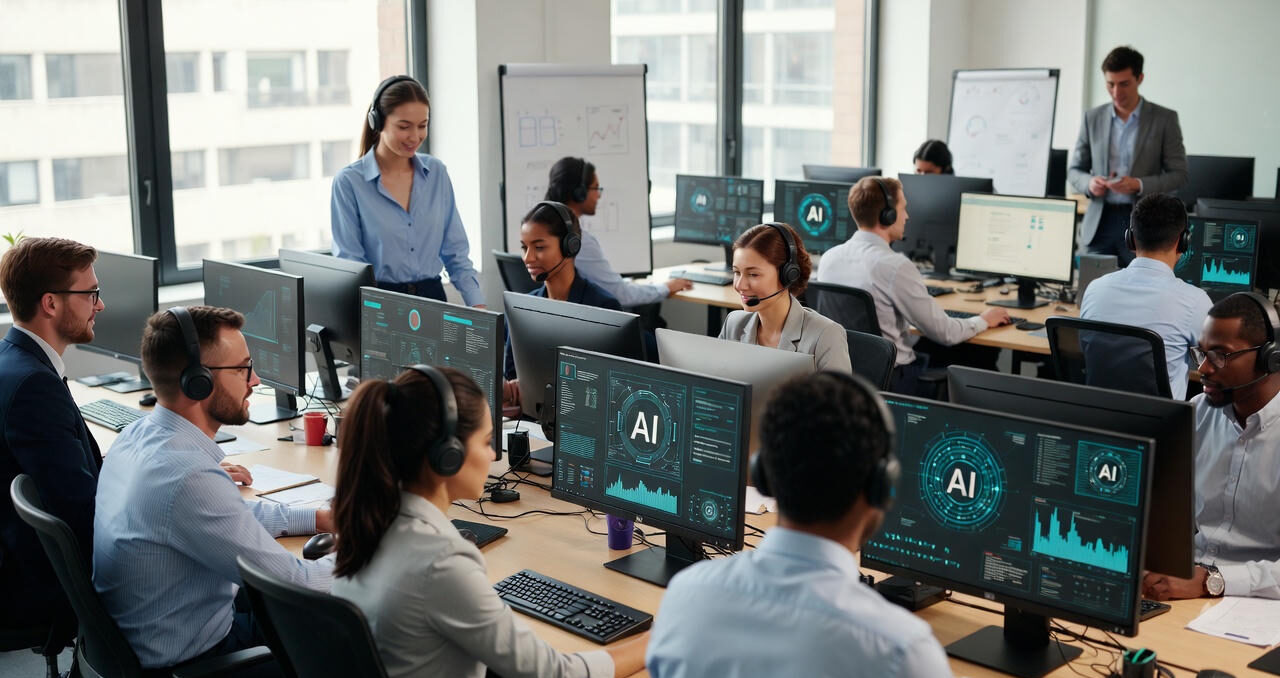
The future of artificial intelligence is no longer limited to research labs or science fiction movies. It is already shaping the way we live, work, learn, shop, and communicate. From voice assistants in our homes to smart algorithms that recommend what we should watch or buy next, AI in daily life has become a powerful reality. As technology continues to evolve rapidly, new AI trends are reshaping industries and redefining the technology future for individuals and businesses alike. Artificial intelligence is not just about automation anymore; it is about smarter decision-making, personalization, and efficiency across nearly every sector of society.
AI in Daily Life and Smart Living
Today, AI in daily life is more common than many people realize. When you unlock your phone using facial recognition, ask a virtual assistant for the weather, or receive personalized recommendations on streaming platforms, you are interacting with artificial intelligence. Smart homes are another growing example where AI controls lighting, temperature, security systems, and even home appliances. These systems learn user behavior over time and adjust their performance automatically.
Transportation is also changing due to AI-powered navigation systems, traffic prediction tools, and self-driving vehicle technologies. In online shopping, AI tracks user preferences to offer better product suggestions and personalized marketing. These conveniences may seem small, but collectively they show how deeply the future of artificial intelligence is rooted in our daily routines. As these systems become more accurate and affordable, their presence in everyday life will only continue to expand.
Key AI Trends Shaping the Technology Future
Several important AI trends are shaping the modern world and will continue to influence the technology future for years to come. These trends are responsible for the rapid growth of artificial intelligence across industries.
| AI Trend | Description | Impact on Daily Life |
|---|---|---|
| Machine Learning | AI systems that learn from data and improve over time | Personalized recommendations, fraud detection |
| Natural Language Processing | Enables machines to understand and respond to human language | Chatbots, voice assistants, translation apps |
| Computer Vision | Allows machines to interpret visual information | Face recognition, medical imaging, smart surveillance |
| Generative AI | Creates content such as text, images, and videos | Content writing tools, digital art, automation |
| Robotics and Automation | AI combined with physical machines | Smart factories, delivery robots |
These AI trends are making systems more intelligent, adaptable, and capable of handling complex tasks. As these trends develop, they will accelerate innovation and further embed AI into the core of the technology future.
AI in Healthcare and Education
One of the most transformative areas of the future of artificial intelligence is healthcare. AI-powered tools can analyze medical data faster than humans, helping doctors detect diseases at earlier stages. Medical imaging systems powered by AI can identify tumors, fractures, and abnormalities with impressive accuracy. Hospitals also use AI to manage patient records, predict treatment outcomes, and optimize scheduling systems. All of this leads to faster care, lower costs, and improved patient experiences.
Education is also being reshaped by AI in daily life. Smart learning platforms customize lessons based on a student’s abilities and learning speed. AI-based tutoring systems provide instant feedback and offer personalized study paths. Automated grading systems reduce teacher workload and allow educators to focus more on student development. As digital education grows globally, artificial intelligence will play a key role in making learning more accessible, flexible, and effective.
The Impact of AI on Jobs and the Workforce
The rapid rise of artificial intelligence has created both excitement and concern about employment. Many people worry that machines will replace human workers. While it is true that some repetitive jobs will be automated, the future of artificial intelligence also creates many new career opportunities. Fields such as data science, AI engineering, cybersecurity, machine learning development, and automation management are expanding rapidly.
Instead of replacing humans entirely, AI is changing how people work. Many routine tasks are now handled by intelligent software, allowing workers to focus on creative, strategic, and problem-solving roles. Businesses that successfully combine human intelligence with AI systems often achieve higher productivity and innovation. As the technology future continues to evolve, the workforce will need to adapt by learning new digital skills and embracing lifelong learning.
Ethical Challenges and the Responsible Use of AI
As AI trends accelerate, ethical challenges become more important than ever. Issues such as data privacy, algorithm bias, job displacement, and surveillance raise serious concerns. AI systems rely on massive amounts of data, and protecting user information is critical to maintaining trust. Biased data can also lead to unfair outcomes, especially in hiring, lending, and law enforcement decisions.
To ensure a positive future of artificial intelligence, governments, businesses, and developers must work together to establish clear regulations and ethical guidelines. Responsible AI development focuses on transparency, fairness, accountability, and human oversight. When applied carefully, artificial intelligence has the potential to serve humanity rather than harm it.
Final Thought
The future of artificial intelligence is unfolding right before our eyes. With powerful AI trends, deeper integration of AI in daily life, and constant innovation shaping the technology future, artificial intelligence is becoming one of the most influential forces in the modern world. From healthcare and education to smart homes and digital workplaces, AI is improving efficiency, accuracy, and convenience in countless ways. However, its growth must be handled with responsibility, ethics, and human-centered design. If used wisely, artificial intelligence will not only transform technology but also improve the overall quality of human life on a global scale.