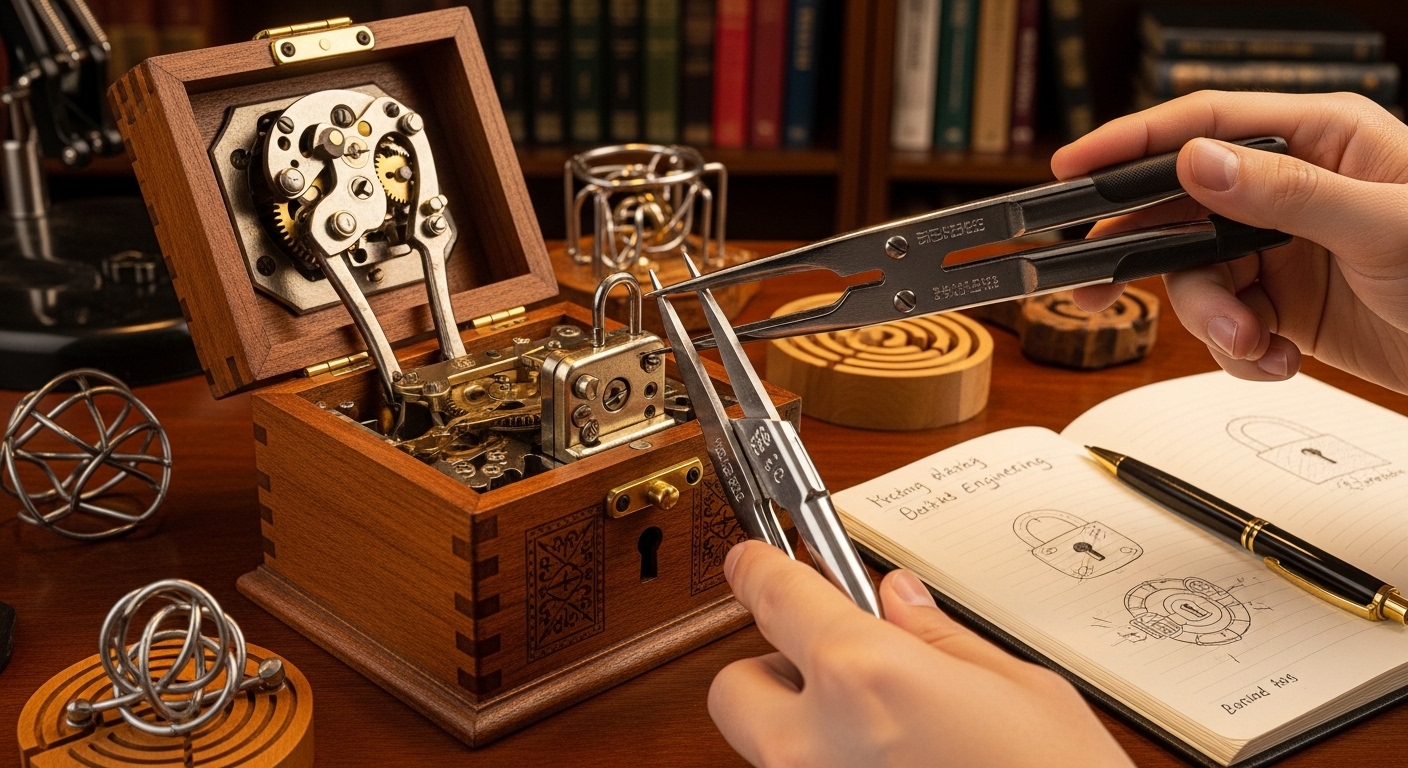
Ethical lockpicking is an intriguing hobby that combines mechanical knowledge, puzzle-solving ability, and curiosity about how locks work. Unlike illegal activities often associated with breaking locks, ethical lockpicking focuses on learning the internal mechanisms of locks in a legal and educational manner. Enthusiasts practice opening locks that they personally own or have permission to use, treating the process as a technical challenge rather than a criminal act.
Over the past decade, the lockpicking hobby has grown significantly due to online communities, educational videos, and hobby clubs that teach responsible lockpicking techniques. Many people approach ethical lockpicking as a form of puzzle solving that requires patience, concentration, and fine motor skills. Each lock presents a unique challenge that must be understood and solved using specialized tools and careful manipulation.
Another factor contributing to the popularity of ethical lockpicking is increasing awareness of personal security. By studying how locks function and how they can be bypassed, hobbyists gain valuable insights into security systems. This knowledge often helps individuals make better decisions about protecting their homes and belongings.
History and Evolution of Lockpicking as a Skill
Lockpicking has existed for almost as long as locks themselves. As early as ancient civilizations developed mechanical locks to protect valuables, individuals also attempted to understand and manipulate those locks. Early locksmiths often studied lockpicking techniques in order to improve lock designs and make them more secure.
Throughout history, locksmiths played an important role in developing more complex locking mechanisms. Each new generation of locks introduced additional security features designed to prevent unauthorized entry. As locks evolved, so did the techniques used to open them.
In modern times, ethical lockpicking has emerged as a legitimate educational activity within security research and hobby communities. Security professionals, locksmiths, and hobbyists often study lock mechanisms to understand vulnerabilities and improve safety standards.
Organizations and hobby communities now emphasize responsible lockpicking practices. Participants are encouraged to follow strict ethical guidelines such as only practicing on locks they own or have permission to open. This responsible approach ensures that lockpicking remains an educational puzzle-solving activity rather than an illegal practice.
Basic Tools Used in Ethical Lockpicking
Ethical lockpicking requires specialized tools designed to interact with the internal components of locks. These tools allow hobbyists to manipulate the pins inside a lock in order to align them correctly and rotate the locking mechanism.
The following table highlights common tools used in ethical lockpicking.
| Lockpicking Tool | Purpose | Function |
|---|---|---|
| Tension wrench | Applies rotational pressure | Allows lock cylinder to turn |
| Hook pick | Lifts individual pins | Precise pin manipulation |
| Rake pick | Moves multiple pins quickly | Fast opening technique |
| Practice lock | Transparent training lock | Helps beginners understand mechanisms |
| Pinning kit | Adjusts lock pin configurations | Training and experimentation |
Practice locks are particularly useful for beginners. Many training locks have transparent housings that allow learners to see how internal pins move when manipulated. This visual feedback helps hobbyists understand the mechanical puzzle they are solving.
Ethical Lockpicking as a Puzzle Solving Activity
Many enthusiasts compare ethical lockpicking to solving mechanical puzzles. Each lock contains a series of pins and springs that must be positioned correctly before the lock will open. The challenge lies in feeling subtle movements within the lock and applying precise pressure to align the pins.
This process requires a combination of tactile sensitivity and logical reasoning. Hobbyists must determine how many pins are inside the lock and identify which pin is preventing the lock from turning. By gradually adjusting each pin, the lockpicker eventually solves the puzzle and opens the lock.
Lockpicking hobbyists often enjoy experimenting with different lock types because each design presents unique challenges. Some locks include security features such as spool pins or serrated pins that create false feedback and make the puzzle more complex.
The intellectual challenge of solving these puzzles attracts many individuals who enjoy problem-solving activities. Ethical lockpicking shares similarities with puzzles like mechanical brainteasers, where patience and careful observation lead to successful solutions.
Role of Hobby Communities and Learning Platforms
The growth of ethical lockpicking has been strongly influenced by hobby communities that promote education and responsible practice. Online forums, video tutorials, and social media groups allow enthusiasts to share techniques, discuss lock designs, and learn from experienced hobbyists.
Lockpicking communities often organize events where members practice their skills and participate in friendly competitions. These events encourage participants to improve their techniques while learning about different lock mechanisms.
Educational resources have also made the hobby more accessible. Many experienced lockpickers create detailed tutorials explaining how locks function and how different tools interact with internal components. These learning materials help beginners develop their puzzle-solving skills safely and responsibly.
Hobby communities also emphasize ethical guidelines and legal awareness. Participants are encouraged to follow strict rules that ensure the hobby remains lawful and respectful. This focus on responsibility helps maintain a positive reputation for the lockpicking hobby.
Security Awareness and Practical Benefits
One of the most valuable aspects of ethical lockpicking is its contribution to security awareness. By understanding how locks function and how they can be manipulated, individuals gain a deeper understanding of physical security systems.
This knowledge helps homeowners and businesses make better decisions about choosing reliable locks and security devices. Many hobbyists discover that some locks offer better protection than others due to differences in design and manufacturing quality.
Security professionals often study lockpicking techniques to identify weaknesses in lock designs. By understanding potential vulnerabilities, manufacturers can develop stronger and more secure locking mechanisms.
Ethical lockpicking also encourages critical thinking about everyday security practices. For example, hobbyists may learn that combining strong locks with additional security measures such as alarms or surveillance systems provides more effective protection.
These practical insights demonstrate that ethical lockpicking is not only a puzzle-solving hobby but also a valuable educational activity that promotes awareness of physical security.
Final Thought
Ethical lockpicking has become a popular puzzle-solving hobby that combines mechanical curiosity, problem-solving skills, and responsible learning. Through the lockpicking hobby, enthusiasts explore the inner workings of locks while developing patience, precision, and security awareness. Supported by hobby communities and educational resources, ethical lockpicking continues to grow as a fascinating activity that transforms everyday security mechanisms into engaging mechanical puzzles.