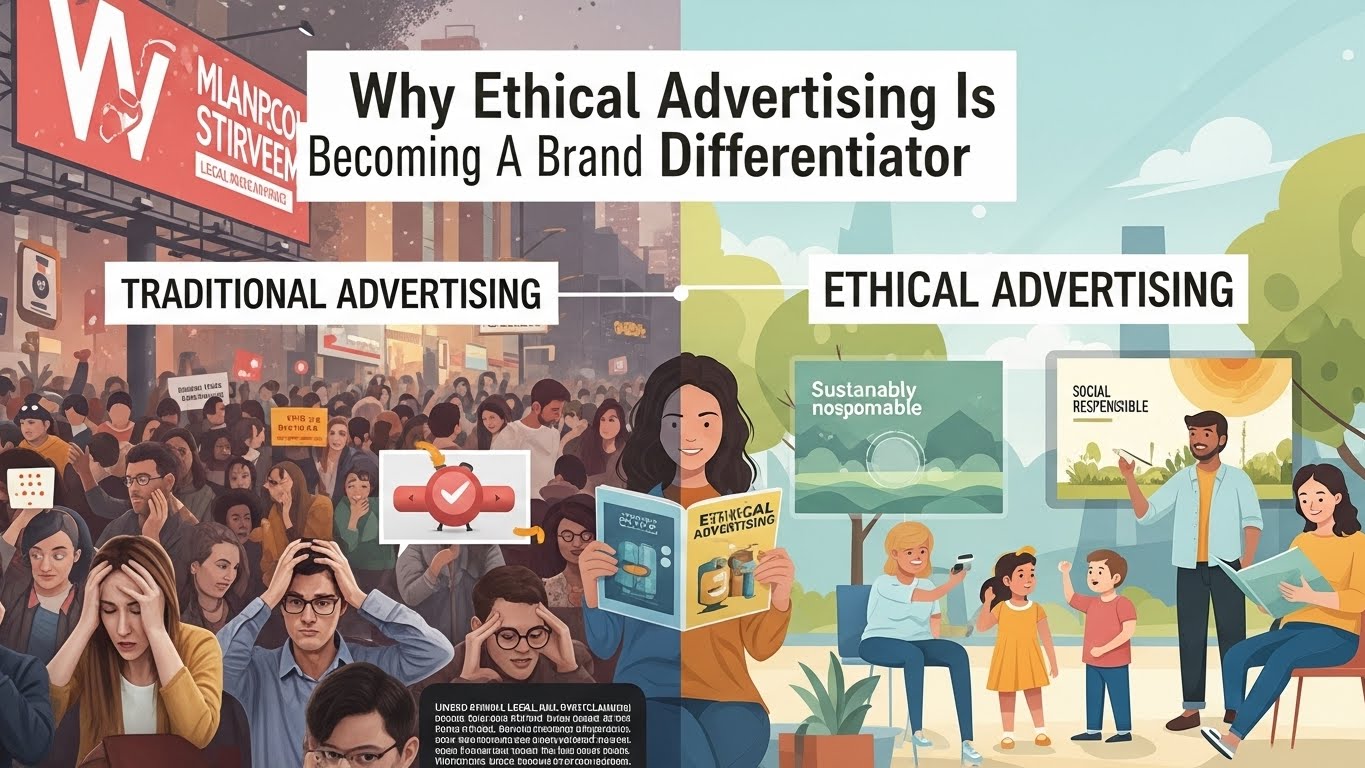
Ethical advertising is becoming increasingly important in a world where consumers are more informed, connected, and conscious than ever before. Modern audiences do not just buy products; they buy values, beliefs, and trust. With constant exposure to marketing messages across digital platforms, people have grown more selective and skeptical about what they see. As a result, brands are being held accountable for how they communicate, what they promise, and how honestly they represent themselves. Ethical advertising focuses on fairness, honesty, and respect, making it a powerful tool for building long-term relationships and standing out in competitive markets.
Understanding Ethical Advertising and Responsible Marketing
Ethical advertising refers to marketing practices that are honest, transparent, and respectful toward consumers. It avoids misleading claims, hidden information, and manipulation. Responsible marketing places the consumer’s well-being at the center of communication strategies. Instead of exaggerating benefits or creating unrealistic expectations, ethical advertising focuses on accuracy and clarity. Brands that practice responsible marketing aim to inform rather than deceive. This approach aligns business goals with social responsibility, helping companies build credibility while contributing positively to society.
Role of Transparency in Building Brand Credibility
Transparency is a core pillar of ethical advertising. Consumers today expect brands to be open about pricing, product ingredients, sourcing, and business practices. Transparency builds confidence because it reduces uncertainty and suspicion. When brands clearly communicate what they offer and how they operate, consumers feel respected and informed. Ethical advertising encourages openness in messaging, disclaimers, and data usage. Transparent communication strengthens brand reputation and signals integrity, which is essential in an environment where misinformation spreads quickly.
Consumer Trust as a Competitive Advantage
Consumer trust has become one of the most valuable assets a brand can possess. Ethical advertising plays a crucial role in building and maintaining that trust. When consumers believe that a brand is honest and fair, they are more likely to remain loyal and recommend it to others. Trust reduces the need for aggressive sales tactics and allows brands to build meaningful connections. In contrast, misleading advertising may offer short-term gains but often damages credibility. Ethical advertising supports long-term success by fostering trust-based relationships.
Ethical Advertising in the Digital Age
The digital age has amplified the importance of ethical advertising. Online platforms allow brands to reach massive audiences instantly, but they also expose unethical practices quickly. Reviews, social media discussions, and user-generated content can easily reveal inconsistencies between marketing messages and actual experiences. Responsible marketing in digital spaces requires careful handling of data, respectful targeting, and truthful messaging. Ethical advertising ensures that personalization and automation do not cross boundaries or exploit consumer behavior. This balance is critical for maintaining trust in digital environments.
Impact of Ethical Advertising on Brand Identity
Ethical advertising directly influences brand identity and perception. Brands that consistently communicate honestly are seen as reliable and authentic. This authenticity resonates strongly with modern consumers, especially younger generations who value social responsibility. Ethical advertising helps brands define a clear voice and purpose beyond profit. When marketing aligns with values, it strengthens emotional connections and differentiates brands in crowded markets. Ethical behavior becomes part of the brand story, reinforcing identity and consistency.
Key Principles of Ethical Advertising and Their Benefits
| Ethical Principle | Marketing Focus | Key Benefit |
|---|---|---|
| Honesty | Clear messaging | Consumer trust |
| Transparency | Open communication | Brand credibility |
| Fairness | Responsible claims | Customer loyalty |
| Respect | Ethical targeting | Positive reputation |
| Accountability | Ethical standards | Long-term growth |
Ethical Advertising and Social Responsibility
Ethical advertising supports broader social responsibility by promoting positive values and reducing harm. Responsible marketing avoids stereotypes, discrimination, and fear-based messaging. Brands that adopt ethical advertising contribute to healthier public discourse and consumer awareness. Social responsibility in advertising also includes promoting sustainable practices and ethical consumption. When brands use their influence responsibly, they help shape more informed and conscious societies while strengthening their own reputation.
Challenges in Practicing Ethical Advertising
Despite its benefits, ethical advertising presents challenges. Pressure to compete aggressively may tempt brands to exaggerate or manipulate messaging. Balancing creativity with honesty requires discipline and strong internal guidelines. Measuring the immediate return on ethical advertising can be difficult, as trust builds over time rather than instantly. However, brands that commit to ethical practices often see greater long-term value. Overcoming these challenges requires leadership commitment and a clear understanding of responsible marketing principles.
Ethical Advertising as a Long Term Strategy
Ethical advertising should be viewed as a long-term strategy rather than a short-term tactic. Brands that consistently practice ethical advertising build strong foundations for sustainable growth. Consumer trust, once earned, creates resilience during crises and market changes. Ethical advertising reduces reputational risks and strengthens brand loyalty. Over time, this approach leads to stable customer relationships and positive brand advocacy.
Final Thought
Ethical advertising is becoming a key brand differentiator in a marketplace driven by awareness, choice, and accountability. By embracing responsible marketing, transparency, and consumer trust, brands can stand out authentically and sustainably. Ethical advertising is not just about compliance or image; it is about building meaningful relationships based on honesty and respect. In the long run, brands that prioritize ethical advertising are better positioned to earn loyalty, credibility, and lasting success.