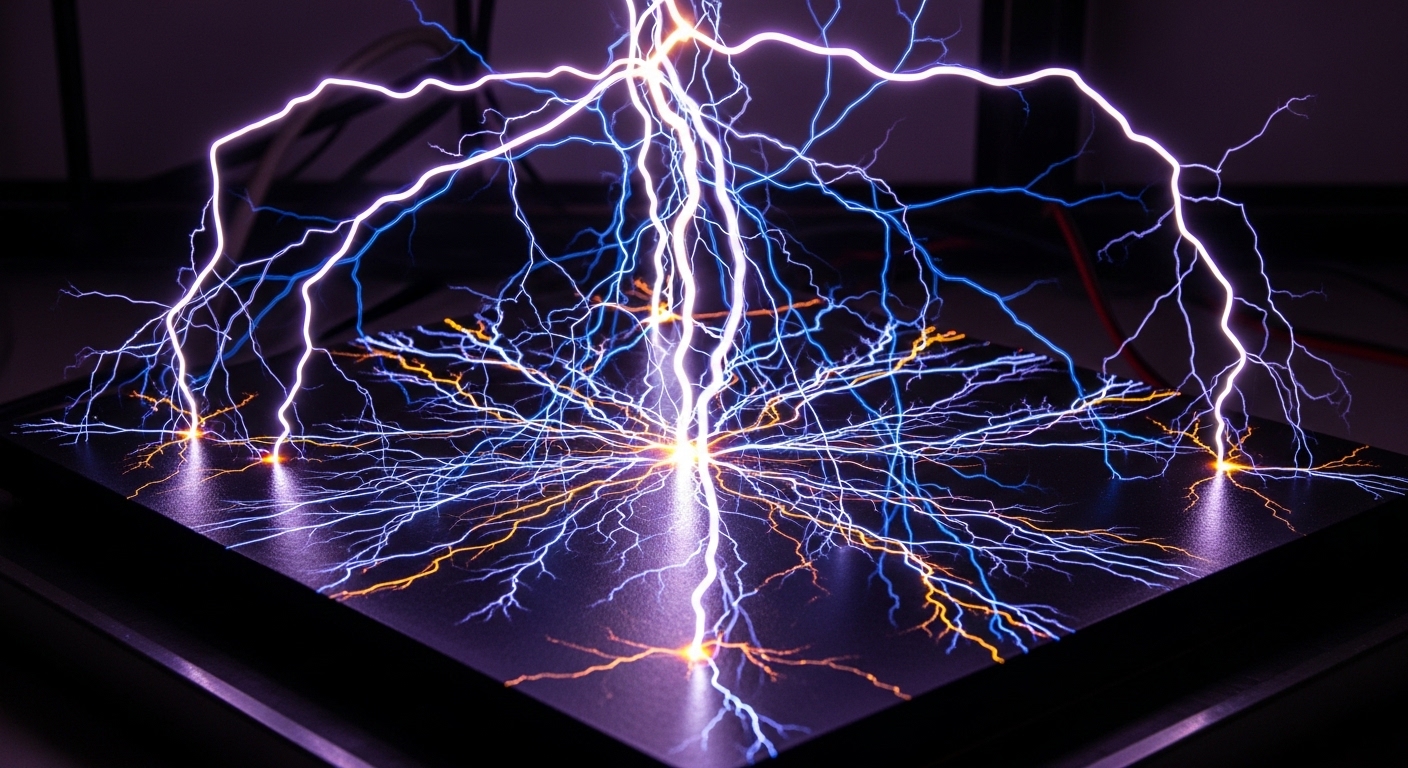
Electric art is a fascinating fusion of science and creativity that uses electrical currents to create visually striking patterns. This innovative form of experimental art transforms energy into design, producing intricate and often unpredictable results. As interest in creative science continues to grow, electric art has emerged as a unique medium that bridges the gap between technology and artistic expression.
The appeal of electric art lies in its dynamic and unpredictable nature. Unlike traditional art forms, where the artist has full control, electric art relies on the behavior of electrical currents to generate patterns. These electric patterns are shaped by factors such as voltage, material, and conductivity, making each piece one-of-a-kind. This combination of science and creativity has made electric art a captivating field for both artists and science enthusiasts.
Understanding Electric Art and High Voltage Techniques
Electric art involves passing electrical currents through materials such as wood, metal, or acrylic to create patterns. One of the most common techniques in high voltage art is known as fractal burning, where electricity is used to burn branching patterns into wood surfaces. These patterns resemble natural formations such as lightning or tree roots, showcasing the power of electric currents.
High voltage art techniques require specialized equipment, including transformers and conductive solutions, to guide the flow of electricity. The process begins by preparing the surface and applying a conductive medium. When electricity is introduced, it follows paths of least resistance, creating intricate electric patterns.
Creative science plays a central role in electric art, as understanding electrical behavior is essential for achieving desired results. Artists must consider factors such as voltage levels, material properties, and safety precautions. By mastering these elements, they can create visually stunning works that highlight the beauty of electrical phenomena.
Benefits of Electric Art in Experimental Creativity
One of the main benefits of electric art is its uniqueness. Since the patterns are generated by electrical currents, no two pieces are identical. This individuality makes electric art highly valued in the world of experimental art.
Electric art also promotes innovation. As a form of creative science, it encourages artists to explore new techniques and experiment with different materials. This openness to experimentation leads to the development of new artistic styles and approaches.
Another advantage is its educational value. Electric art provides a hands-on way to understand electrical concepts, making it an engaging tool for learning. It demonstrates how scientific principles can be applied in creative ways.
Additionally, electric art offers strong visual impact. The intricate and organic electric patterns created through high voltage art are visually captivating, making them suitable for decorative and artistic purposes.
Comparison Table: Electric Art vs Traditional Wood Burning
| Feature | Electric Art | Traditional Wood Burning |
|---|---|---|
| Technique | High voltage currents create patterns | Manual burning with heated tools |
| Pattern Style | Organic electric patterns | Controlled artistic engraving |
| Control | Low (electric flow determines design) | High (artist controls design) |
| Tools | Electrical equipment and conductors | Wood-burning pen |
| Skill Requirement | Knowledge of creative science | Artistic skill and precision |
| Safety Level | Requires strict precautions | Moderate safety measures |
This comparison highlights how electric art differs from traditional wood burning. While wood burning focuses on manual control, electric art relies on the natural behavior of electrical currents to create designs.
Challenges and Safety Considerations in Electric Art
Despite its appeal, electric art comes with significant challenges, particularly related to safety. High voltage art involves working with electricity, which can be dangerous if not handled properly. Strict safety precautions, including protective equipment and controlled environments, are essential.
Another challenge is unpredictability. While this is part of the artistic appeal, it can also make it difficult to achieve specific designs. Artists must be prepared for unexpected outcomes and adapt their approach accordingly.
Material selection is also important. Different materials react differently to electrical currents, affecting the final electric patterns. Experimentation is often required to determine the best combinations for desired results.
Additionally, mastering electric art requires both artistic and technical knowledge. Understanding electrical principles is essential for creating successful designs, making it a more complex form of experimental art compared to traditional methods.
The Future of Electric Art in Creative Science
The future of electric art looks promising as interest in interdisciplinary art forms continues to grow. Artists and scientists are collaborating to explore new techniques and applications, expanding the possibilities of high voltage art.
Technological advancements are also influencing electric art. Improved equipment and safety measures are making it more accessible to artists, allowing for greater experimentation and creativity.
Social media platforms have played a significant role in promoting electric art. Visually striking electric patterns often capture attention and inspire others to explore this unique form of creative science.
Educational programs and workshops are further supporting the development of electric art. By teaching both artistic and scientific principles, these initiatives ensure that the craft continues to evolve and attract new practitioners.
Final Thoughts
Electric art is a remarkable blend of experimental art and creative science that transforms electrical currents into stunning visual designs. Through the use of high voltage art techniques and innovative approaches, it creates unique electric patterns that captivate and inspire.
While challenges such as safety and unpredictability exist, the benefits of electric art make it a highly rewarding and innovative practice. Its ability to combine science, creativity, and visual impact ensures its continued growth. As more artists explore this field, electric art will remain a significant and evolving trend in modern artistic expression.