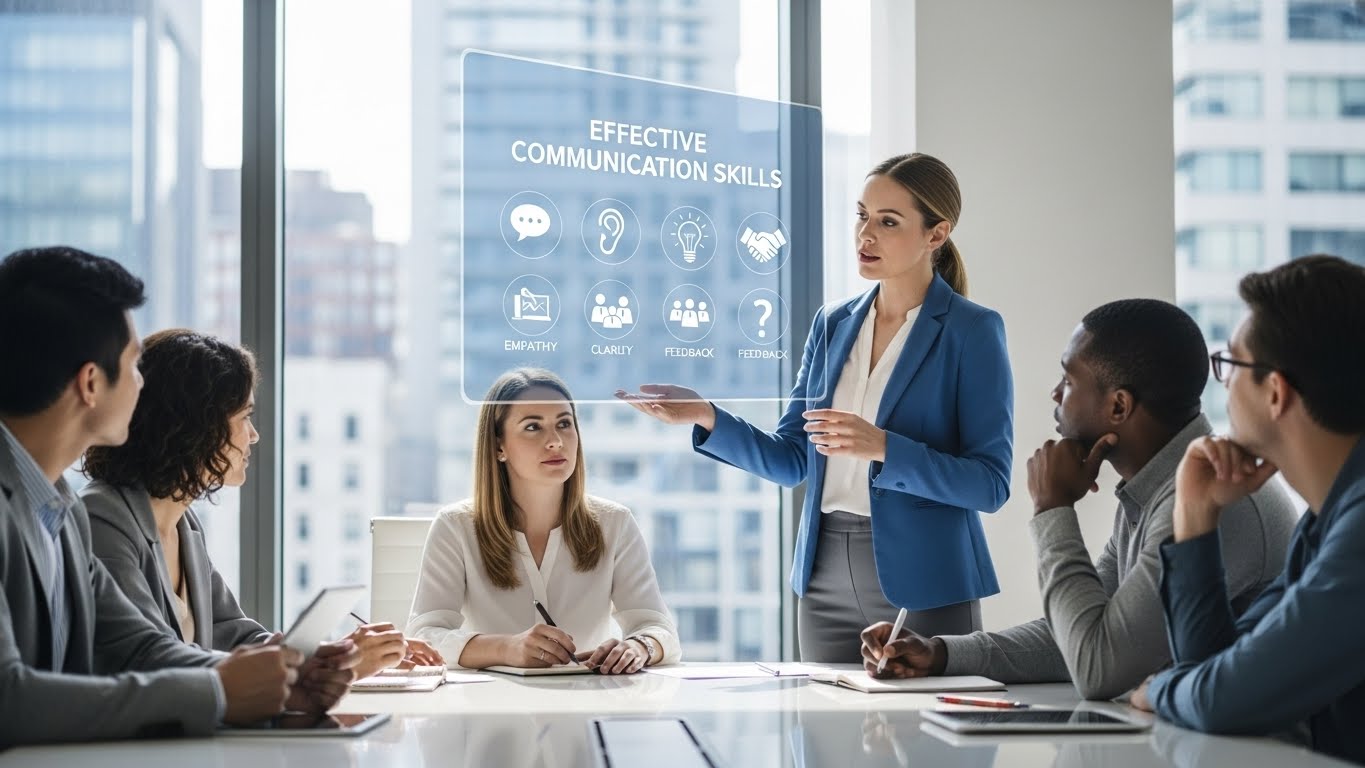
Communication skills are among the most important abilities a person can develop in both personal and professional life. Every interaction, whether at work, at home, or in social settings, depends on how clearly and confidently we express ourselves. Strong communication skills help people share ideas, resolve conflicts, and build meaningful relationships. In today’s fast-paced and competitive world, interpersonal skills and speaking skills are no longer optional; they are essential soft skills that support confidence building and long-term success. Improving the way we communicate can positively influence careers, friendships, and self-esteem.
Understanding the Importance of Communication Skills
Effective communication skills go beyond just talking. They involve listening, understanding emotions, and responding appropriately. People with strong interpersonal skills are better at teamwork, leadership, and problem-solving. Clear communication reduces misunderstandings and builds trust in relationships. In professional environments, employers value individuals who can explain ideas clearly, collaborate efficiently, and adapt their message to different audiences. These soft skills play a key role in confidence building because when people communicate well, they feel more secure expressing their thoughts and opinions.
Verbal Communication and Speaking Skills
Speaking skills are a major component of communication. Verbal communication includes tone of voice, clarity, and choice of words. Speaking confidently does not mean speaking loudly; it means expressing ideas clearly and respectfully. Improving speaking skills involves practicing articulation, expanding vocabulary, and organizing thoughts before speaking. Public speaking, presentations, and even daily conversations become easier when verbal communication is strong. Over time, good speaking skills help individuals feel more confident in meetings, interviews, and social interactions.
Non Verbal Communication and Body Language
Non verbal communication plays an equally important role in how messages are received. Facial expressions, posture, eye contact, and gestures all influence communication effectiveness. Even without words, body language can communicate confidence, openness, or discomfort. Developing awareness of non verbal signals improves interpersonal skills and helps people understand others better. Positive body language supports confidence building and strengthens communication by aligning physical expressions with spoken words.
Listening Skills and Emotional Intelligence
Listening is one of the most overlooked communication skills. Effective communication requires active listening, not just waiting for a turn to speak. Active listening involves paying attention, asking relevant questions, and showing empathy. This skill strengthens relationships and prevents misunderstandings. Emotional intelligence supports listening skills by helping individuals recognize emotions in themselves and others. When people feel heard and understood, communication becomes more meaningful and productive, both personally and professionally.
Building Communication Skills Through Daily Practice
Like any other skill, communication improves with consistent practice. Engaging in conversations, seeking feedback, and observing skilled communicators help strengthen soft skills. Reading, joining discussion groups, and practicing public speaking are effective ways to enhance communication abilities. Confidence building occurs naturally as communication skills improve because individuals feel more capable of expressing themselves. Over time, strong communication habits lead to improved relationships, career growth, and personal development.
Key Communication Skills and Their Benefits
| Communication Skill | Area of Use | Main Benefit |
|---|---|---|
| Active listening | Personal and professional | Better understanding |
| Clear speaking | Meetings and presentations | Confidence building |
| Body language | Social interactions | Stronger impressions |
| Emotional intelligence | Relationships | Improved empathy |
| Feedback skills | Workplace communication | Growth and clarity |
Communication Skills in Personal and Professional Life
Communication skills influence every part of daily life. In personal relationships, they help resolve conflicts and strengthen emotional connections. In professional settings, interpersonal skills support teamwork, leadership, and productivity. Speaking skills allow individuals to present ideas clearly and influence others positively. Soft skills such as communication often determine long-term success more than technical knowledge. Developing these abilities leads to stronger confidence building and better decision-making in all areas of life.
Final Thought
Communication skills are powerful tools that shape how we connect with the world. By improving interpersonal skills, speaking skills, and emotional awareness, individuals can build confidence and strengthen relationships. These soft skills are not developed overnight, but with consistent practice, they become natural and impactful. Investing time in communication skills leads to personal growth, professional success, and a more confident and meaningful life.