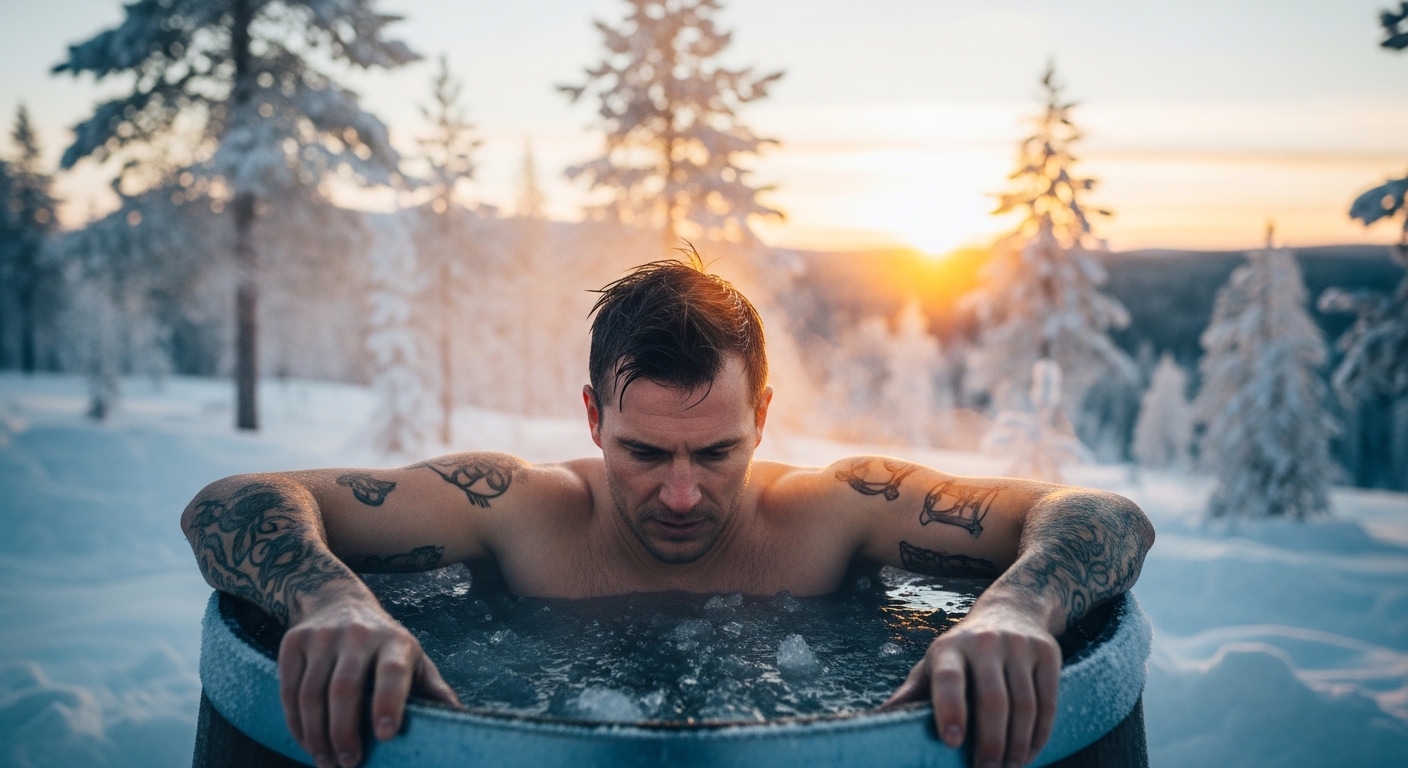
Cold water therapy has become one of the fastest-growing recovery trends in modern wellness communities. From athletes using ice baths after intense training sessions to everyday individuals exploring new ways to improve focus and resilience, cold exposure practices are gaining widespread attention. Social media, fitness culture, and holistic health movements have all contributed to the popularity of cold water therapy as a form of wellness therapy. While the concept itself is not new, modern interest is fueled by evolving health awareness and the desire for natural approaches to physical and mental well-being.
Understanding Cold Water Therapy and Ice Baths
Cold water therapy refers to the practice of exposing the body to cold temperatures through methods such as ice baths, cold showers, or outdoor cold immersion. Traditionally used by athletes for post-workout recovery, ice baths are now being embraced by a wider audience seeking relaxation and mental clarity. The basic principle involves immersing the body in cold water for a short period, which creates a strong physical response that many believe supports recovery and resilience.
Ice baths are one of the most recognized forms of cold water therapy. Typically, individuals sit in water cooled with ice for a limited duration, allowing the body to adapt gradually. Many wellness communities encourage beginners to start with shorter exposure times and focus on controlled breathing to manage discomfort. Although experiences vary, enthusiasts often describe a sense of renewed energy and alertness after cold immersion sessions.
Role of Recovery Trends in Modern Wellness Culture
Recovery trends have become a major part of modern wellness culture, shifting attention from intense performance to balanced recovery and restoration. Cold water therapy fits into this movement by offering a simple, accessible method that complements other wellness practices such as meditation, stretching, and mindful breathing. As more people recognize the importance of rest and recovery, cold water therapy is being adopted alongside practices designed to support overall well-being.
Fitness professionals and wellness communities often promote ice baths as part of a broader recovery routine rather than a standalone solution. Many individuals combine cold exposure with proper nutrition, hydration, and sleep to maintain balance. The rise of wellness therapy spaces, including specialized recovery centers and spa environments, has further normalized cold water therapy as part of a holistic lifestyle.
Mental Resilience and Psychological Benefits
One of the key reasons cold water therapy is trending is its perceived impact on mental resilience. Stepping into cold water requires focus, breath control, and emotional regulation, which many practitioners view as a form of mental training. The intense sensory experience encourages individuals to remain present and manage stress responses effectively.
Wellness communities often describe cold water therapy as a tool for building discipline and confidence. The practice of voluntarily facing physical discomfort may help individuals develop stronger coping strategies in everyday life. While experiences vary from person to person, many report feeling more refreshed and mentally clear after sessions. It is important to approach these claims with balance, recognizing that individual responses depend on personal health, environment, and consistency.
Comparison of Common Cold Water Therapy Methods
| Method | Description | Typical Duration | Popular Use |
|---|---|---|---|
| Ice Baths | Full body immersion in cold water with ice | Short sessions | Athletic recovery and resilience |
| Cold Showers | Gradual exposure during regular showers | Brief intervals | Daily wellness habits |
| Outdoor Cold Swimming | Natural cold water environments | Variable | Mental resilience and community activities |
| Contrast Therapy | Alternating hot and cold exposure | Structured cycles | Recovery and relaxation |
Wellness Therapy Communities and Social Influence
Wellness therapy communities have played a significant role in the spread of cold water therapy practices. Online platforms and local groups encourage shared experiences, challenges, and guided sessions. Community-based participation often makes cold exposure feel more approachable, as individuals learn from others and build supportive networks.
Social influence has also contributed to the normalization of recovery trends like ice baths. Influencers, athletes, and wellness coaches frequently share their experiences, making cold water therapy appear accessible and empowering. However, it is important for individuals to approach trends thoughtfully and avoid unrealistic expectations. Personal comfort, gradual adaptation, and awareness of physical limits are essential when exploring new wellness practices.
Challenges and Safety Considerations
Despite its growing popularity, cold water therapy requires careful consideration and responsible practice. Sudden exposure to extremely cold temperatures can be uncomfortable or even risky for certain individuals. Beginners are often encouraged to start slowly, focus on breathing techniques, and avoid prolonged exposure. People with specific health conditions should consider seeking professional guidance before trying intense cold immersion practices.
Another challenge is the misconception that cold water therapy is a universal solution. While some individuals find it beneficial as part of their wellness therapy routine, others may prefer alternative recovery trends that better suit their preferences. The key is to view cold water therapy as one option among many within a balanced wellness approach.
Future Outlook of Cold Water Therapy in Wellness Communities
As interest in holistic health continues to grow, cold water therapy is likely to remain a prominent topic in wellness communities. Innovations such as temperature-controlled immersion tubs, guided breathing apps, and recovery-focused wellness spaces are making cold exposure more accessible. The integration of cold water therapy into broader wellness therapy programs reflects a shift toward experiences that combine physical recovery with mental resilience.
Future trends may focus on personalization, helping individuals tailor cold exposure practices to their unique goals and comfort levels. As research evolves and wellness conversations become more nuanced, cold water therapy will likely continue to be explored alongside other recovery trends that prioritize balance and sustainability.
Final Thought
Cold water therapy is trending in wellness communities because it combines physical challenge, mental resilience, and modern recovery trends into a simple yet impactful practice. Through ice baths, cold exposure routines, and growing wellness therapy movements, individuals are discovering new ways to reconnect with their bodies and build resilience. As with any wellness trend, thoughtful and balanced participation is key, allowing cold water therapy to become a meaningful part of a healthy and sustainable lifestyle.