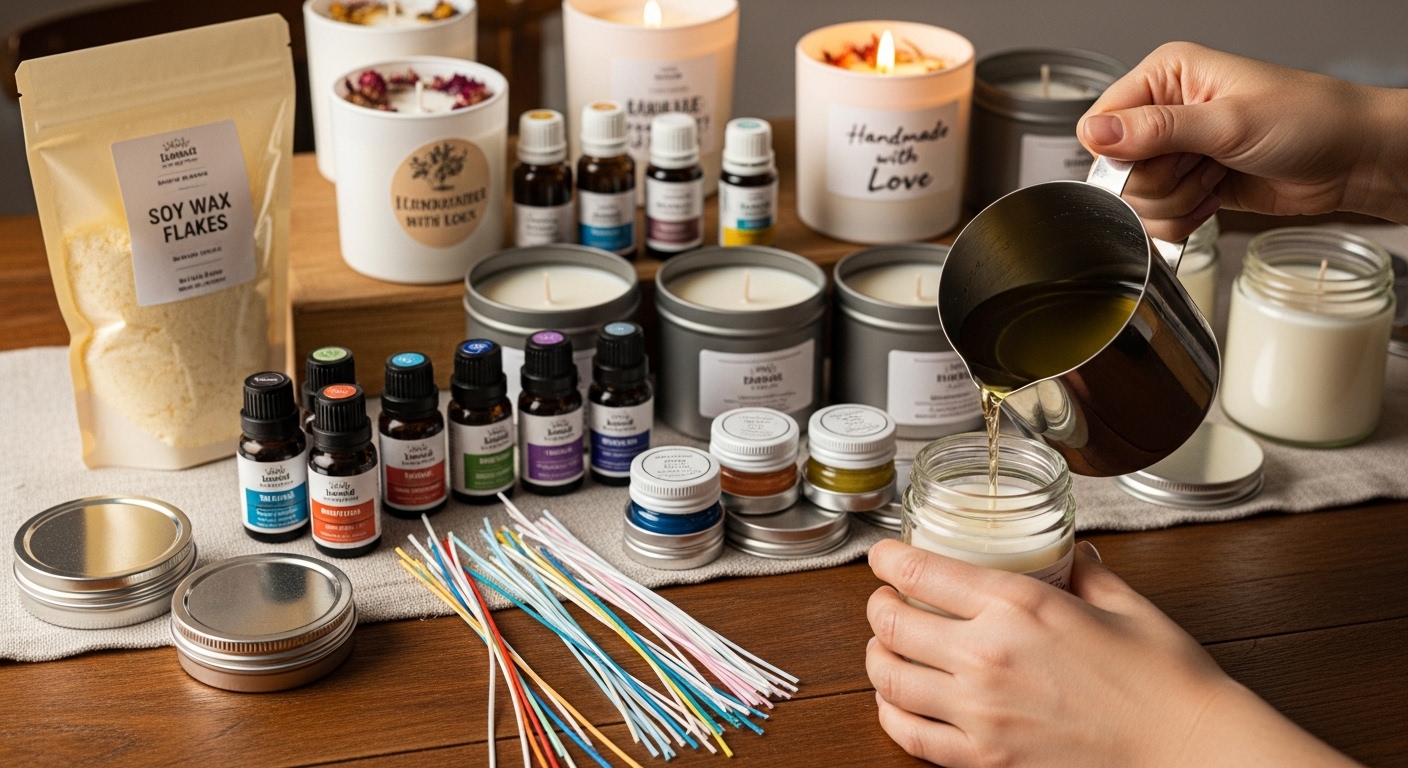
Candle making has recently become one of the most popular creative hobbies among people who enjoy handmade crafts and personalized home decor. While candles have been used for centuries as sources of light, warmth, and fragrance, modern DIY candles have transformed this traditional practice into an artistic and relaxing hobby. Today, individuals around the world are exploring candle making as a way to express creativity, decorate living spaces, and even start small businesses.
Homemade candle making offers the opportunity to create customized candles using different colors, fragrances, shapes, and decorative elements. Unlike mass-produced candles sold in stores, DIY candles allow individuals to design unique products that reflect their personal style and creativity. Many hobbyists enjoy experimenting with different wax types, essential oils, and decorative molds to produce candles that are both functional and visually appealing.
Another reason candle making is trending is the growing interest in creative hobbies that encourage relaxation and mindfulness. In a fast-paced digital world, hands-on activities like handmade crafts provide a sense of calm and satisfaction. The process of melting wax, blending scents, and carefully pouring candles encourages focus and creativity, making candle making a rewarding hobby for people of all ages.
History and Cultural Importance of Candle Making
Candle making has a long history that dates back thousands of years. Early civilizations used candles made from natural materials such as animal fat, beeswax, and plant oils. These early candles provided essential lighting before the invention of electric lamps. Over time, candle production became an important craft practiced by skilled artisans.
In ancient cultures, candles were also used in religious ceremonies and cultural rituals. Temples, churches, and ceremonial spaces often relied on candles to create a peaceful and sacred atmosphere. Beeswax candles were especially valued because they burned cleanly and produced a pleasant natural scent.
During the Middle Ages, candle making became an established trade in many parts of the world. Professional candle makers produced candles for households, religious institutions, and public spaces. As industrial manufacturing developed, candles became widely available and affordable for everyday use.
Although electric lighting eventually replaced candles as the primary source of illumination, candles continued to be valued for their decorative and symbolic qualities. Today, the resurgence of DIY candles reflects a renewed appreciation for traditional handmade crafts combined with modern design creativity.
Materials and Tools Used in DIY Candle Making
Creating homemade candles requires several basic materials and tools. Beginners can start with simple supplies and gradually experiment with more advanced techniques as they gain experience in candle making. The following table highlights common materials used in DIY candle making and their purpose.
| Candle Making Material | Purpose | Benefit |
|---|---|---|
| Wax (soy, paraffin, beeswax) | Main material used to form candles | Determines burn quality |
| Candle wicks | Provides a flame source | Enables controlled burning |
| Fragrance oils | Adds scent to candles | Enhances atmosphere |
| Candle molds | Shapes the candle design | Creates decorative forms |
| Dye or color pigments | Adds color to candles | Improves visual appeal |
Soy wax has become especially popular for homemade candle making because it is derived from natural plant sources and burns cleanly. Beeswax is another natural option known for its pleasant aroma and long burn time.
In addition to these materials, basic tools such as melting containers, thermometers, and stirring utensils help ensure that the candle-making process is safe and effective.
Benefits of Candle Making as a Creative Hobby
Candle making offers several benefits that contribute to its growing popularity as a creative hobby. One of the most significant advantages is the opportunity for artistic expression. By combining different scents, colors, and decorative elements, individuals can design candles that reflect their personal creativity.
Another benefit is relaxation and stress relief. Engaging in handmade crafts allows people to slow down and focus on the creative process. The rhythmic steps involved in candle making—melting wax, mixing fragrances, and pouring candles—create a calming experience that promotes mindfulness.
DIY candles also allow individuals to control the ingredients used in their products. Many store-bought candles contain synthetic materials or chemicals that may produce strong fumes. Homemade candle makers can choose natural waxes and essential oils, creating candles that align with their personal preferences for sustainability and health.
Additionally, candle making encourages experimentation and learning. Beginners gradually develop skills related to temperature control, fragrance blending, and mold design. This continuous learning process keeps the hobby engaging and rewarding.
Some hobbyists eventually transform their passion into small businesses. Handmade candles are popular items at craft markets, online stores, and boutique shops. Creative entrepreneurs often develop unique candle collections that attract customers seeking personalized home decor crafts.
Role of DIY Candles in Home Decor
One of the most appealing aspects of homemade candle making is its connection to home decor crafts. Candles are widely used to enhance the atmosphere of living spaces by providing soft lighting, pleasant scents, and decorative accents.
Different candle styles can complement various interior design themes. Minimalist candles with neutral colors often suit modern interiors, while colorful or sculpted candles add artistic flair to eclectic or bohemian spaces. Scented candles infused with lavender, vanilla, or citrus fragrances can also create relaxing environments in bedrooms and living rooms.
DIY candles allow homeowners to customize decor according to seasonal themes or special occasions. For example, holiday-themed candles may feature festive colors and fragrances such as cinnamon or pine. Decorative candle jars and containers can also be personalized with labels, patterns, or artwork.
The combination of visual beauty and aromatic fragrance makes candles versatile elements in home decoration. Many interior designers incorporate candles into room layouts to enhance ambiance and create welcoming environments.
Growing Community of Candle Making Enthusiasts
The popularity of candle making has led to the formation of vibrant communities of hobbyists and artisans who share their ideas and techniques. Online platforms, craft workshops, and social media groups allow candle makers to exchange tips, showcase their creations, and learn new skills.
Educational tutorials and DIY craft guides have made candle making more accessible to beginners. Step-by-step instructions teach individuals how to measure wax, control temperatures, and select appropriate fragrance combinations. These resources help ensure safe and successful candle-making experiences.
Craft markets and artisan fairs also provide opportunities for candle makers to present their handmade products to the public. These events celebrate creativity and craftsmanship while supporting small businesses and local artisans.
As interest in sustainable living grows, many candle makers are exploring eco-friendly materials and packaging solutions. Natural waxes, reusable containers, and biodegradable packaging are becoming common features in modern handmade candle brands.
Final Thought
Homemade candle making has become a trending creative hobby because it combines artistic expression, relaxation, and functional home decor crafts. Through DIY candles and handmade crafts, individuals can create unique decorative pieces that enhance living spaces while enjoying the satisfaction of a creative process. As more people explore creative hobbies that blend tradition with innovation, candle making continues to shine as a meaningful and inspiring craft.