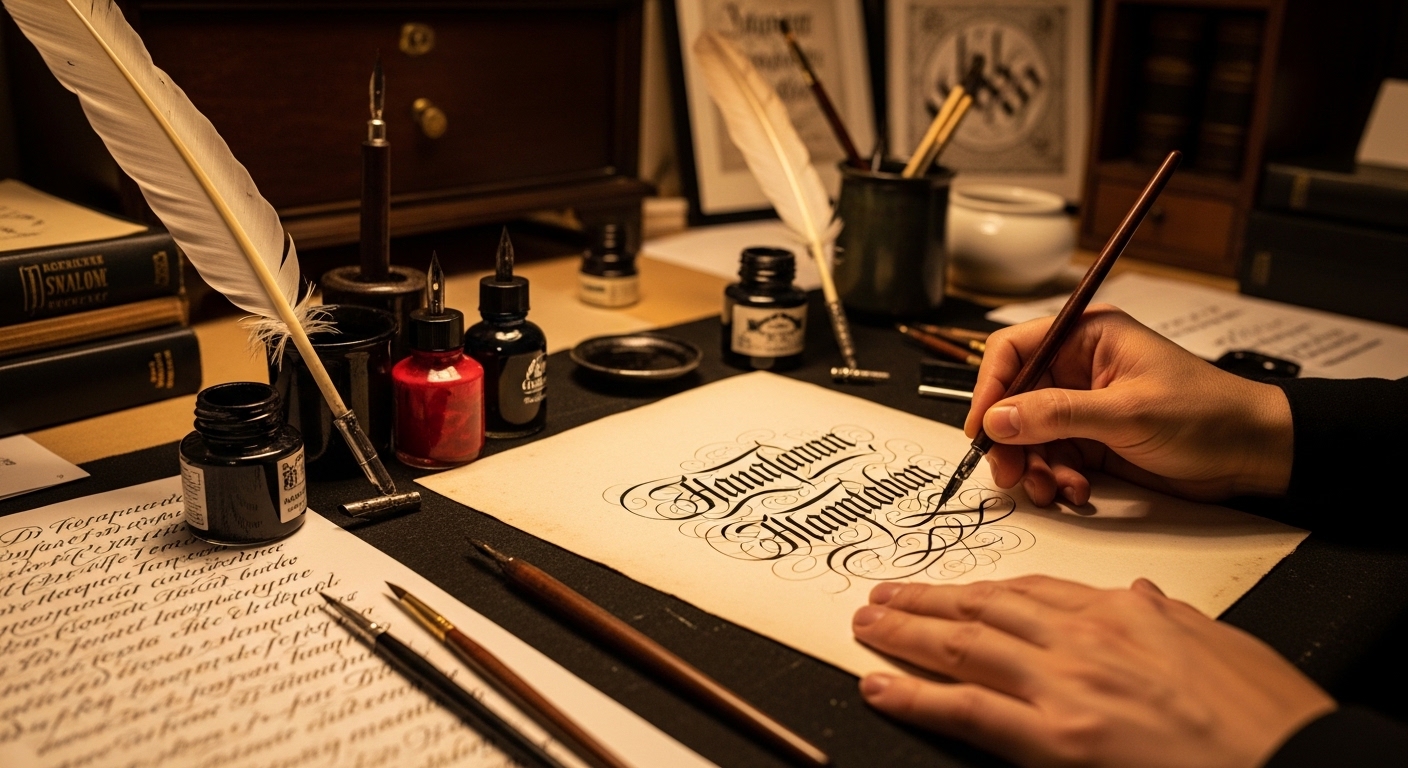
Calligraphy art is experiencing a remarkable revival as people rediscover the beauty and elegance of traditional handwriting styles. In a world dominated by digital communication, handwritten lettering has become a unique form of creative expression. Artists, designers, and hobbyists are turning to calligraphy art to explore the aesthetic possibilities of lettering art and handwriting design.
Historically, calligraphy played a crucial role in preserving literature, cultural traditions, and official records. Before the printing press and digital typography, skilled calligraphers created manuscripts, religious texts, and decorative documents by hand. Their work reflected not only language but also artistic craftsmanship.
Today, modern calligraphy blends traditional techniques with contemporary creative writing styles. Many artists combine classic script forms with modern design elements to create visually appealing compositions. This renewed interest has transformed calligraphy from a historical writing method into a popular artistic hobby and professional design skill.
History of Traditional Handwriting and Lettering Art
The origins of calligraphy art can be traced back thousands of years across different civilizations. Ancient cultures such as Chinese, Arabic, Greek, and Roman societies developed distinctive handwriting traditions that were both functional and artistic. These styles often reflected cultural values and artistic aesthetics of their time.
Chinese calligraphy, for example, emphasizes fluid brush strokes and balanced composition. Arabic calligraphy focuses on elegant geometric patterns and decorative lettering forms. In Europe, medieval scribes developed elaborate script styles for religious manuscripts and royal documents.
These early handwriting designs required years of training and practice. Calligraphers used specialized tools such as quill pens, ink brushes, and handmade paper to produce precise letterforms. Each stroke was carefully controlled to achieve harmony and visual balance.
Although printing technology gradually replaced handwritten manuscripts, calligraphy remained valued as an artistic discipline. Many modern calligraphy artists study historical lettering art styles to learn the foundations of beautiful handwriting design.
Tools and Materials Used in Modern Calligraphy
Modern calligraphy continues to rely on specialized tools that allow artists to create expressive lettering designs. While traditional calligraphers used quill pens and natural inks, contemporary artists often experiment with a variety of materials and writing instruments.
The following table outlines common tools used in calligraphy art and their purpose.
| Calligraphy Tool | Function | Benefit |
|---|---|---|
| Dip pen | Traditional pen used with ink | Creates varied line thickness |
| Brush pen | Flexible tip pen for smooth strokes | Ideal for modern calligraphy |
| Calligraphy ink | Pigmented ink for lettering | Produces bold writing |
| Practice paper | Smooth surface for training | Improves handwriting design |
| Guidelines sheet | Layout guide for letter spacing | Maintains consistent style |
These tools help artists experiment with creative writing styles while maintaining control over letter shapes and stroke patterns.
Role of Modern Calligraphy in Creative Design
Modern calligraphy has expanded beyond traditional manuscripts and is now widely used in creative design fields. Graphic designers, illustrators, and branding specialists incorporate calligraphy art into logos, advertisements, and visual branding projects.
Lettering art adds a human touch to digital designs. Handwritten typography often feels more personal and expressive compared to computer-generated fonts. Many brands use calligraphy-inspired logos to communicate authenticity, elegance, or creativity.
Calligraphy also plays an important role in event design. Wedding invitations, greeting cards, and decorative signage often feature handwritten calligraphy elements. These designs create a sense of sophistication and uniqueness that printed fonts sometimes lack.
In addition, social media platforms have contributed to the growth of modern calligraphy communities. Artists share their lettering designs online, inspiring others to explore handwriting design and creative writing styles. Tutorials, practice guides, and online workshops make it easier for beginners to learn calligraphy techniques.
Benefits of Practicing Calligraphy as a Creative Hobby
Calligraphy art offers several benefits beyond its visual appeal. Practicing lettering art requires focus, patience, and attention to detail. Many people find that writing calligraphy helps them relax and concentrate, making it a calming creative activity.
Handwriting design also improves fine motor skills and hand coordination. The careful movements required to create smooth strokes strengthen hand control and precision. These skills are particularly beneficial for artists and designers who work with detailed visual elements.
Calligraphy practice also encourages mindfulness. When individuals focus on each letter and stroke, they become fully engaged in the creative process. This sense of concentration can reduce stress and promote mental clarity.
Another advantage of learning modern calligraphy is the opportunity to develop unique artistic styles. While beginners often start with traditional scripts, experienced calligraphers frequently experiment with new lettering techniques and creative writing styles.
Many hobbyists eventually transform their passion for calligraphy into professional opportunities. Hand-lettered artwork, custom invitations, and decorative typography are increasingly popular in the creative marketplace.
Calligraphy in the Digital Age
Despite the dominance of digital communication, calligraphy art continues to thrive because it offers something that digital typography cannot easily replicate: individuality. Each handwritten piece reflects the personality and skill of the artist, making every design unique.
Digital tools have also helped calligraphy reach new audiences. Graphic tablets and digital design software allow artists to create calligraphy-inspired artwork while preserving the fluid movement of handwritten strokes. This combination of traditional techniques and modern technology expands the possibilities for lettering art.
Online communities dedicated to modern calligraphy provide valuable learning resources. Beginners can watch tutorials, participate in lettering challenges, and share their progress with fellow artists. These communities foster creativity and encourage the revival of traditional handwriting styles.
Educational institutions and art workshops are also introducing calligraphy courses that teach both historical scripts and contemporary lettering techniques. These programs ensure that the art of calligraphy continues to evolve while maintaining its historical roots.
Final Thought
Calligraphy art is successfully reviving traditional handwriting styles by blending historical craftsmanship with modern creative expression. Through modern calligraphy, artists and hobbyists explore lettering art, handwriting design, and creative writing styles that celebrate the beauty of handwritten communication. As interest in handmade artistry continues to grow, calligraphy remains a timeless art form that connects past traditions with contemporary creativity.