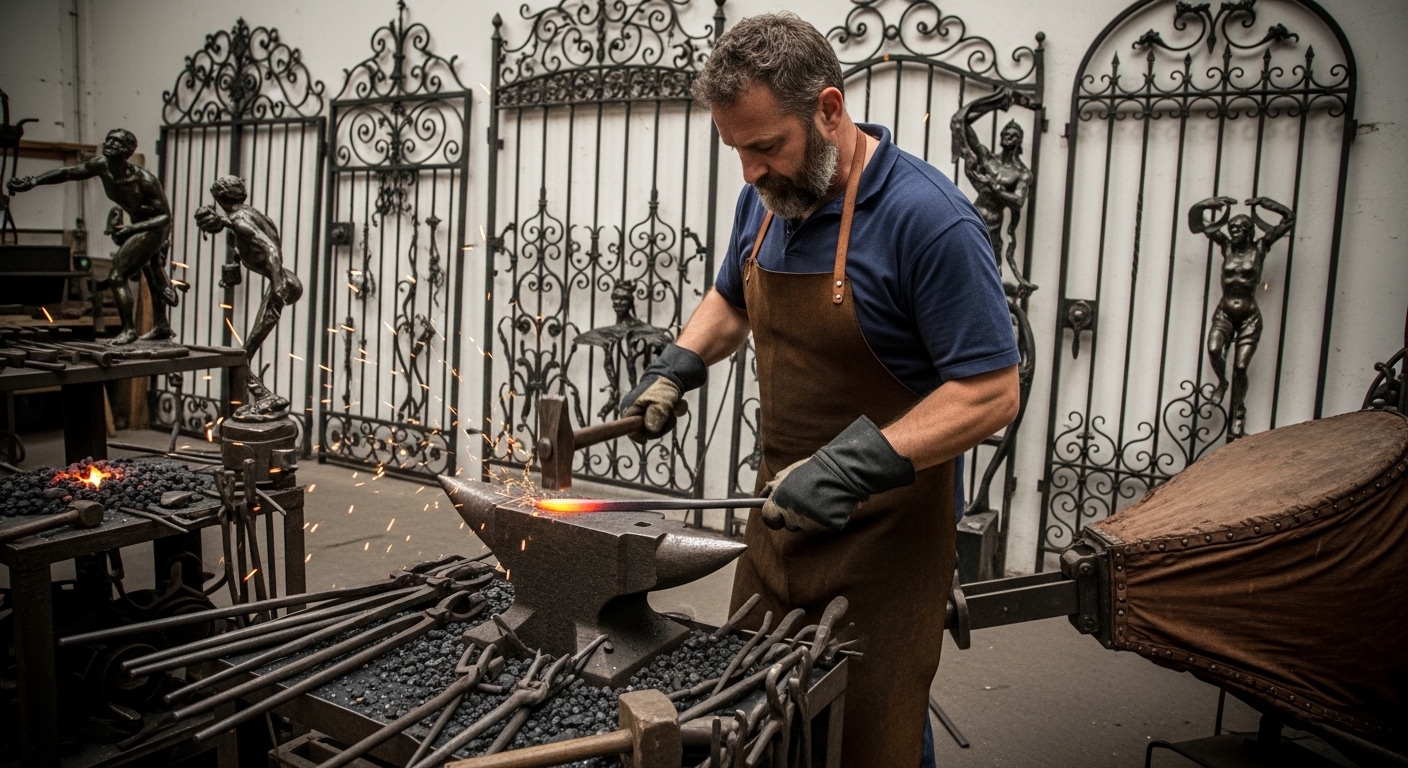
Blacksmithing, once considered an ancient and declining profession, is now experiencing a strong revival in the modern era. This resurgence is driven by a renewed appreciation for traditional crafts and handmade goods. In a world dominated by mass production, many people are turning toward artisan skills that emphasize creativity, durability, and authenticity. Blacksmithing stands out as a powerful symbol of this shift, combining centuries-old techniques with contemporary design trends. Through metal forging and iron work, artisans are creating both functional and decorative pieces that appeal to modern consumers seeking uniqueness and craftsmanship.
The renewed interest in blacksmithing is not only about preserving history but also about redefining its role in today’s economy. From custom furniture and home décor to artistic sculptures and tools, blacksmiths are showcasing the versatility of this craft. As traditional crafts regain popularity, blacksmithing is becoming a bridge between heritage and innovation, allowing artisan skills to thrive in new and exciting ways.
The Fundamentals of Blacksmithing and Metal Forging Techniques
At its core, blacksmithing involves shaping metal using heat, tools, and skilled techniques. Metal forging is the primary process, where metals such as iron or steel are heated to high temperatures and then hammered into desired forms. This process requires precision, patience, and a deep understanding of material properties. Unlike industrial manufacturing, blacksmithing relies heavily on hands-on expertise, making each piece unique.
Historically, blacksmiths were essential members of society, producing tools, weapons, and structural components through iron work. Today, while machinery has replaced many traditional roles, the artistry behind blacksmithing remains highly valued. Modern blacksmiths often combine traditional forging methods with contemporary tools, blending old and new techniques to enhance efficiency without losing authenticity.
Organizations such as Artist Blacksmith’s Association of North America play a crucial role in preserving and promoting blacksmithing knowledge. Workshops, training programs, and exhibitions help aspiring artisans develop their metal forging skills while encouraging innovation within traditional crafts.
Benefits of Blacksmithing in the Modern Creative Economy
The revival of blacksmithing offers several benefits, particularly within the creative and handmade goods industries. One of the most significant advantages is the emphasis on sustainability. Unlike mass-produced items, handcrafted iron work often uses locally sourced materials and produces less waste. This aligns with growing consumer demand for environmentally responsible products.
Another benefit is the preservation of artisan skills. As traditional crafts gain recognition, blacksmithing provides opportunities for individuals to learn valuable techniques that might otherwise be lost. These skills not only contribute to cultural heritage but also create viable career paths for artists and craftsmen.
Blacksmithing also supports customization. Customers increasingly seek personalized items that reflect their tastes and values. Whether it is custom gates, furniture, or artistic pieces, metal forging allows artisans to deliver tailored solutions that stand out in a competitive market. This level of personalization reinforces the value of traditional crafts in a modern context.
Comparison Table: Traditional Blacksmithing vs Modern Industrial Metal Production
| Feature | Traditional Blacksmithing | Industrial Metal Production |
|---|---|---|
| Production Method | Handcrafted metal forging | Machine-based mass production |
| Customization | High level of personalization | Limited customization |
| Skill Requirement | High artisan skills | Technical machine operation |
| Material Usage | Efficient, often sustainable | Higher material waste |
| Product Uniqueness | Each piece is unique | Standardized products |
| Cultural Value | Strong connection to traditional crafts | Minimal cultural significance |
This comparison clearly illustrates how blacksmithing stands apart from industrial production by emphasizing quality, uniqueness, and artisan skills. While mass production focuses on efficiency, blacksmithing prioritizes craftsmanship and individuality.
Challenges and Opportunities in Reviving Blacksmithing
Despite its growing popularity, blacksmithing faces several challenges. One of the primary issues is the time-intensive nature of the craft. Metal forging requires significant effort and cannot compete with the speed of industrial production. As a result, handcrafted items are often more expensive, limiting their accessibility to certain markets.
Another challenge is the need for specialized training. Learning blacksmithing and iron work techniques requires dedication and mentorship. However, this challenge also presents an opportunity. As interest in traditional crafts grows, educational institutions and workshops are expanding their offerings to train new generations of artisans.
Technology is also playing a supportive role in the revival of blacksmithing. Social media platforms and online marketplaces allow artisans to showcase their work globally, reaching customers who value handmade products. This digital exposure helps sustain artisan skills and ensures that blacksmithing remains relevant in a modern economy.
The Future of Blacksmithing in Contemporary Society
The future of blacksmithing looks promising as it continues to adapt to changing consumer preferences. The demand for authentic, handcrafted goods is expected to grow, providing opportunities for artisans to expand their reach. Blacksmithing is also finding applications in architecture, interior design, and public art, further highlighting its versatility.
As sustainability becomes a global priority, traditional crafts like blacksmithing will gain additional importance. The emphasis on durability, repairability, and responsible production aligns with modern environmental goals. By combining metal forging techniques with innovative designs, blacksmiths can contribute to both artistic and functional advancements.
Collaborations between artisans, designers, and architects are likely to drive new trends in iron work. These partnerships will help integrate blacksmithing into contemporary projects, ensuring that the craft continues to evolve while preserving its historical roots.
Final Thoughts
Blacksmithing is more than just a historical craft; it is a dynamic and evolving practice that bridges tradition and modernity. Through metal forging, iron work, and the preservation of artisan skills, blacksmithing is playing a vital role in reviving traditional crafts in today’s world. Its emphasis on quality, sustainability, and customization makes it highly relevant in an era dominated by mass production.
While challenges such as cost and training remain, the growing appreciation for handcrafted goods is driving renewed interest in blacksmithing. As consumers continue to value authenticity and creativity, this ancient craft will remain a powerful expression of human skill and cultural heritage in the modern age.