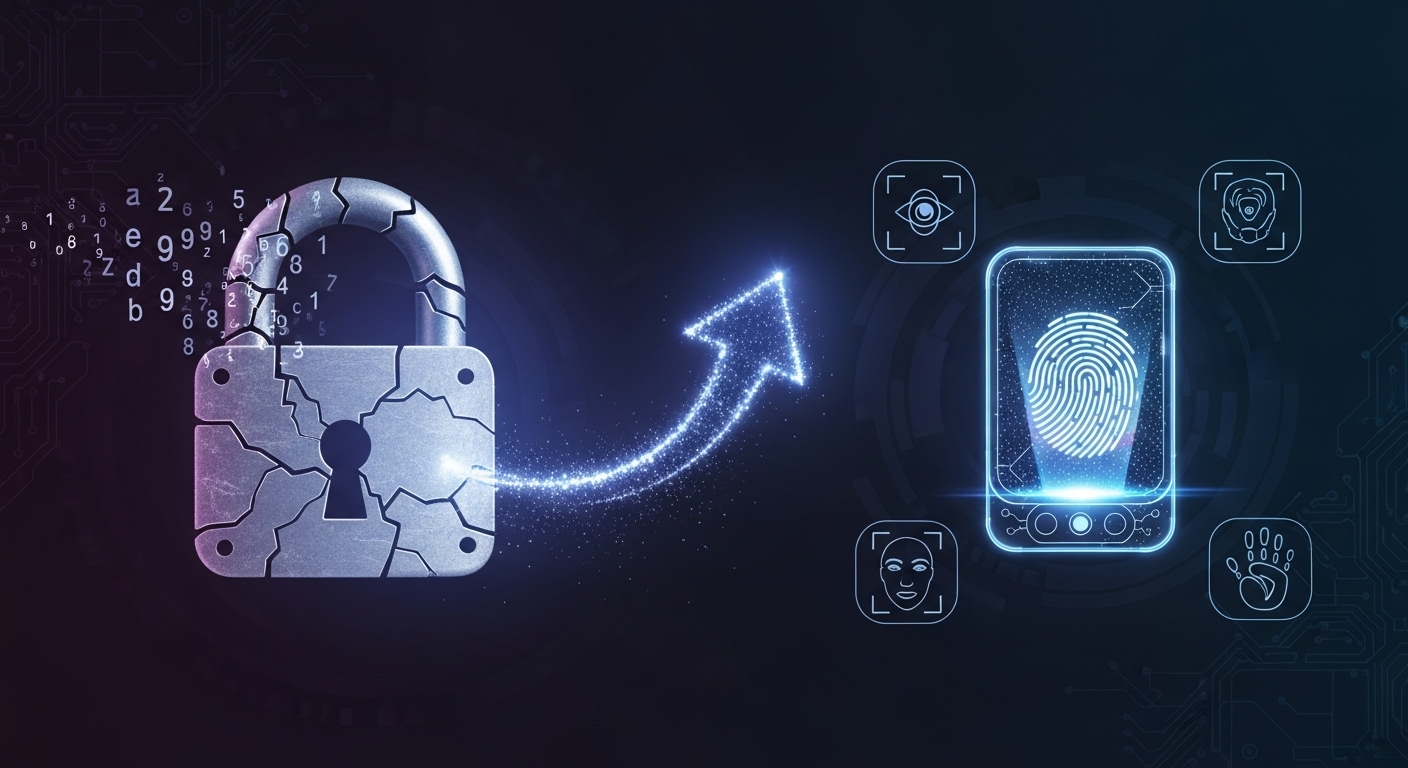
Biometric security is rapidly transforming the way people protect digital accounts, devices, and sensitive information. For decades, traditional password systems were the primary method of authentication, but increasing cyber threats and human error have exposed their weaknesses. Forgotten passwords, weak combinations, and data breaches have made password-based security unreliable. Biometric security offers a modern alternative by using unique physical and behavioral traits to verify identity. Technologies such as facial recognition and fingerprint security are now widely used across smartphones, workplaces, and online platforms. As authentication technology advances, biometric security is becoming a key pillar of cyber protection in the digital age.
Understanding Biometric Security and Authentication Technology
Biometric security refers to security systems that identify individuals based on biological or behavioral characteristics. These characteristics include fingerprints, facial features, voice patterns, and even eye movement. Authentication technology powered by biometrics verifies identity by matching live input with stored biometric data. Unlike passwords, biometric traits are difficult to replicate or steal. This makes biometric security more reliable and user-friendly. As authentication technology continues to evolve, biometric systems are becoming faster, more accurate, and more accessible for everyday use.
Limitations of Traditional Password Systems
Traditional password systems rely heavily on user behavior, which introduces significant risk. Many users reuse passwords across multiple platforms or choose simple combinations that are easy to guess. Passwords can be stolen through phishing attacks, malware, or data breaches. Managing multiple passwords often leads to poor security practices such as writing them down or storing them insecurely. These limitations highlight the need for stronger cyber protection methods. Biometric security addresses these issues by removing reliance on memory-based authentication.
Role of Fingerprint Security in Modern Authentication
Fingerprint security is one of the most widely adopted biometric methods. Each individual’s fingerprint is unique, making it a reliable identifier. Fingerprint sensors are now common in smartphones, laptops, and access control systems. This form of biometric security allows users to unlock devices and authorize transactions quickly and securely. Fingerprint security reduces unauthorized access and eliminates the need for complex passwords. Its convenience and accuracy have made it a preferred authentication technology for personal and professional use.
Facial Recognition and Its Growing Adoption
Facial recognition is another powerful biometric security solution gaining widespread adoption. This technology analyzes facial features and patterns to verify identity. Facial recognition is commonly used in mobile devices, airports, workplaces, and surveillance systems. Advances in artificial intelligence have improved accuracy and reduced false matches. Facial recognition enables contactless authentication, which enhances convenience and hygiene. As cyber protection needs increase, facial recognition continues to expand across industries and security applications.
Cyber Protection Benefits of Biometric Security
Biometric security significantly enhances cyber protection by reducing vulnerabilities associated with passwords. Since biometric data is tied to physical traits, it is harder for attackers to compromise. Biometric systems often include additional safeguards such as liveness detection to prevent spoofing. This layered approach strengthens authentication technology and protects sensitive information. Biometric security also improves response time during security checks, making it suitable for high-risk environments such as banking and healthcare.
Comparison of Biometric Security and Password Systems
| Security Method | Authentication Basis | Key Advantage |
|---|---|---|
| Password systems | Knowledge based | Familiarity |
| Fingerprint security | Physical trait | High accuracy |
| Facial recognition | Facial features | Contactless access |
| Biometric security | Unique identity | Strong cyber protection |
| Multi-factor systems | Combined methods | Enhanced security |
User Experience and Convenience of Biometric Security
One of the major reasons biometric security is replacing traditional password systems is improved user experience. Users no longer need to remember complex passwords or reset them frequently. Authentication becomes faster and more seamless. Fingerprint security and facial recognition allow instant access with minimal effort. This convenience encourages better security adoption because users are less likely to bypass protective measures. Biometric security balances strong protection with ease of use, making it suitable for everyday applications.
Biometric Security in Business and Organizations
Businesses are increasingly adopting biometric security to protect sensitive data and systems. Authentication technology based on biometrics helps prevent unauthorized access to corporate networks and facilities. Biometric systems improve accountability by linking access directly to individuals. Organizations benefit from reduced fraud and improved compliance with security regulations. Biometric security also supports remote work environments by ensuring secure access to digital platforms. This adoption reflects growing trust in biometric solutions for enterprise-level cyber protection.
Privacy and Ethical Considerations
Despite its advantages, biometric security raises privacy and ethical concerns. Biometric data is sensitive and must be protected from misuse. Secure storage and encryption are essential to prevent unauthorized access. Transparency about data collection and usage builds trust among users. Organizations must follow strict policies and regulations when implementing biometric systems. Responsible use of authentication technology ensures that biometric security enhances protection without compromising individual rights.
Challenges in Implementing Biometric Security
Implementing biometric security comes with technical and operational challenges. High initial costs and system integration can be barriers for some organizations. Environmental factors such as lighting or sensor quality may affect accuracy. Biometric systems must be regularly updated to address emerging threats. However, ongoing advancements in authentication technology are reducing these challenges. As systems become more affordable and reliable, adoption continues to grow.
Biometric Security and Multi-Factor Authentication
Biometric security is often used as part of multi-factor authentication systems. Combining biometrics with other factors such as devices or codes enhances overall security. This layered approach provides stronger cyber protection against sophisticated attacks. Biometric authentication technology complements existing security measures rather than replacing them entirely. Multi-factor systems demonstrate how biometric security fits into comprehensive security strategies.
Future of Biometric Security Systems
The future of biometric security points toward wider adoption and innovation. Emerging technologies such as behavioral biometrics and continuous authentication will further enhance protection. Authentication technology will become more adaptive and intelligent. As digital interactions increase, biometric security will play a central role in protecting identities. Ongoing research focuses on improving accuracy, privacy, and user trust. These developments ensure that biometric security remains a cornerstone of modern cyber protection.
Long Term Impact on Digital Security
The long-term impact of biometric security includes reduced reliance on passwords and improved resilience against cyber threats. Strong authentication technology supports safer digital ecosystems. Users benefit from convenience and confidence in security systems. Organizations gain protection against data breaches and fraud. Over time, biometric security will help establish higher standards for digital identity verification across industries.
Final Thought
Biometric security is replacing traditional password systems because it offers stronger cyber protection, better user experience, and advanced authentication technology. Through fingerprint security and facial recognition, biometric systems provide reliable and convenient identity verification. While challenges and privacy concerns exist, responsible implementation ensures safety and trust. As digital threats continue to evolve, biometric security stands out as a powerful and future-ready solution for protecting digital identities and systems.