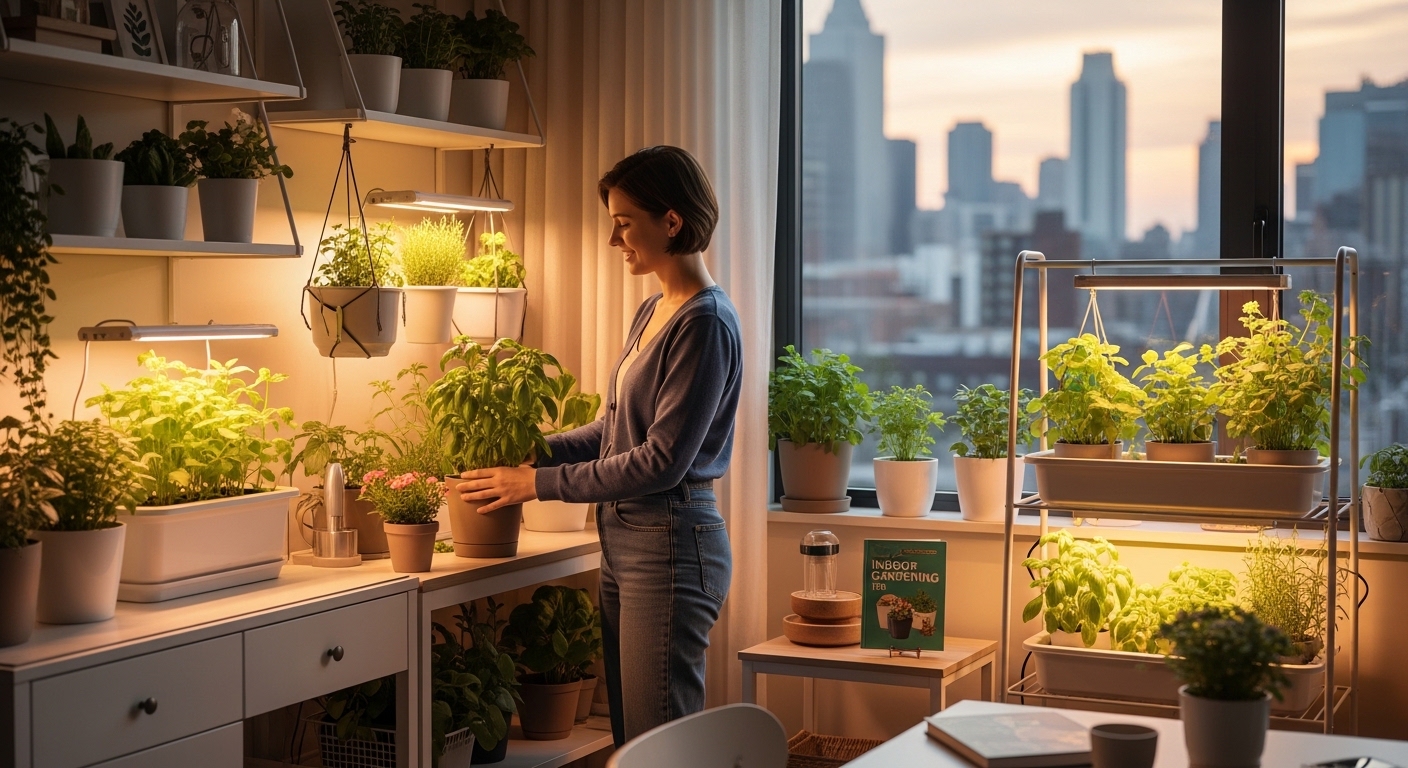
Indoor gardening has become increasingly popular among urban residents as cities grow denser and access to outdoor green space becomes limited. Apartments, high-rise housing, and compact living environments often restrict opportunities for traditional gardening, yet the human desire to connect with nature remains strong. Indoor gardening addresses this need by allowing people to cultivate home plants within living spaces, transforming interiors into greener and healthier environments. This trend reflects broader urban gardening movements focused on sustainability, well-being, and lifestyle enrichment.
Urbanization has changed how people interact with natural environments. Limited balconies, shared outdoor areas, and busy lifestyles make conventional gardening difficult for many city dwellers. Indoor gardening offers a practical alternative by enabling plant cultivation in small space gardening setups such as windowsills, shelves, or vertical planters. As awareness grows about the psychological and environmental benefits of indoor plants, more urban residents are integrating greenery into homes and workplaces.
Benefits of Indoor Gardening for Health and Well-being
One of the main reasons indoor gardening is gaining popularity is its positive impact on mental and physical well-being. Home plants contribute to improved indoor air quality by absorbing pollutants and releasing oxygen. While the scale of purification varies by species and environment, plants still contribute to fresher and more comfortable indoor atmospheres. Additionally, greenery introduces humidity balance, which can improve comfort in air-conditioned or heated indoor spaces.
Psychological benefits are equally significant. Caring for plants provides a calming and restorative activity that reduces stress and enhances mood. Exposure to greenery has been associated with improved concentration, relaxation, and emotional well-being. In urban settings where natural landscapes may be scarce, indoor gardening provides a sense of connection to nature. This connection supports overall wellness and quality of life.
Indoor gardening also encourages mindfulness and routine. Regular watering, pruning, and observation foster attentiveness and responsibility. These small daily interactions with home plants create a nurturing environment that supports mental health. As urban residents seek balance in fast-paced city lifestyles, indoor gardening offers accessible therapeutic value.
Practicality of Small Space Gardening in Cities
Space limitations are a defining characteristic of urban living, making small space gardening solutions essential. Indoor gardening adapts easily to compact environments through creative placement and vertical design. Wall-mounted planters, hanging pots, and tiered shelving allow multiple plants to thrive without occupying floor space. Windowsills and corners can also be transformed into productive plant zones.
Urban gardening practices emphasize efficient use of light and layout. Plants that tolerate low light or indirect sunlight are especially suitable for apartments and offices. Compact species such as succulents, herbs, and foliage plants thrive in confined areas. Container gardening allows flexibility, enabling residents to rearrange plants as lighting or seasonal conditions change.
The table below lists popular indoor plants and their suitability for small urban spaces.
| Plant Type | Light Requirement | Maintenance Level | Small Space Suitability |
|---|---|---|---|
| Snake plant | Low to medium | Low | Excellent |
| Pothos | Low to bright indirect | Low | Excellent |
| Spider plant | Bright indirect | Low | Very good |
| Herbs (basil/mint) | Bright | Medium | Good |
| Succulents | Bright direct | Low | Excellent |
These plant choices demonstrate how indoor gardening can be successfully implemented even in limited urban spaces.
Plant Care Tips for Successful Indoor Gardening
Successful indoor gardening depends on understanding plant care basics tailored to indoor environments. Light availability is one of the most critical factors. Urban residents must assess window orientation and sunlight duration to match plants with appropriate lighting conditions. South- or west-facing windows generally provide stronger light, while north-facing windows offer softer illumination.
Watering practices differ indoors compared to outdoor gardens. Overwatering is a common issue because indoor containers retain moisture longer. Checking soil dryness before watering prevents root damage. Proper drainage through pots with holes or layered substrates helps maintain healthy root systems. Humidity and temperature stability are also important, especially in climate-controlled homes.
Soil and nutrition play vital roles in plant health. Indoor plants benefit from well-draining potting mixes and occasional fertilization during growth periods. Pruning and cleaning leaves remove dust and promote healthy growth. Monitoring for pests is also necessary, as indoor environments can still host insects. Applying these plant care tips ensures long-term success in home plant cultivation.
Urban Gardening Trends and Lifestyle Influence
Indoor gardening reflects broader lifestyle trends among urban residents seeking sustainable and nature-oriented living. As environmental awareness increases, individuals are adopting greener home practices such as composting, recycling, and plant cultivation. Indoor gardening aligns with these values by promoting eco-friendly living and reduced environmental impact. Growing herbs or edible plants indoors also supports local food awareness.
Interior design trends also contribute to indoor gardening popularity. Plants are widely used as decorative elements that enhance aesthetics and soften architectural lines. Biophilic design principles emphasize incorporating natural elements into built environments to improve comfort and well-being. Indoor plants serve both functional and decorative roles, making them appealing to urban dwellers.
Social media and digital communities further accelerate urban gardening interest. Online platforms share plant care tips, design ideas, and inspiration, encouraging beginners to start indoor gardens. The accessibility of information and community support lowers barriers to entry. As urban residents seek meaningful hobbies and stress relief activities, indoor gardening continues to gain cultural relevance.
Future Outlook of Indoor Gardening in Urban Environments
The future of indoor gardening is closely linked to ongoing urbanization and sustainability initiatives. As cities expand vertically and living spaces become more compact, indoor gardening will remain an important way to maintain connection with nature. Innovations such as smart planters, automated irrigation, and indoor grow lighting systems are making plant care easier and more efficient. These technologies support plant growth in environments with limited natural light or irregular schedules.
Urban planning and architecture are also incorporating indoor greenery into residential and commercial spaces. Green walls, indoor gardens, and plant-integrated interiors are becoming more common in modern buildings. These features enhance air quality, aesthetics, and occupant well-being. As awareness of environmental and health benefits increases, indoor gardening is likely to become a standard aspect of urban living.
Educational initiatives and community programs promoting urban gardening will further expand participation. Workshops, plant exchanges, and shared indoor garden spaces encourage collective engagement. The integration of indoor gardening with sustainable lifestyle practices positions it as a long-term urban trend rather than a temporary hobby.
Final Thought
Indoor gardening is growing popular among urban residents because it brings nature, well-being, and sustainability into compact living environments. Through home plants, small space gardening solutions, and practical plant care tips, urban gardening enables people to cultivate greenery despite limited outdoor space. As cities continue to evolve and sustainability awareness rises, indoor gardening will remain a meaningful and beneficial practice for urban lifestyles.