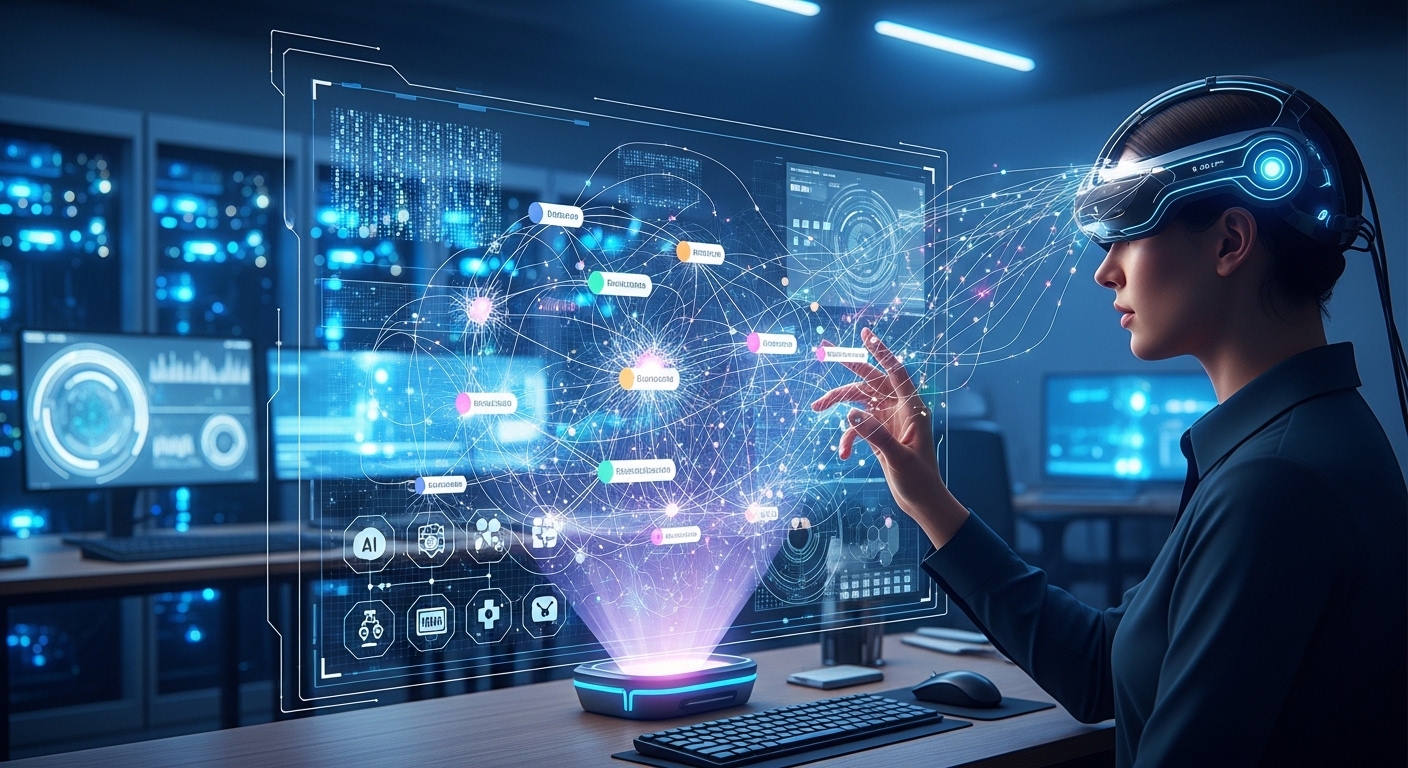
Brain computer interfaces are emerging as one of the most transformative developments in future innovation, enabling direct communication between the human brain and digital systems. By translating neural signals into actionable commands, neurotechnology is redefining human computer interaction and expanding possibilities in healthcare, communication, and augmented cognition. Advances in neuroscience tech are allowing machines to interpret brain activity with increasing precision, opening new pathways for assistive technologies and immersive digital experiences. As research accelerates, brain computer interfaces are poised to reshape how humans interact with technology and how technology responds to human intention.
Understanding Brain Computer Interfaces and Neurotechnology
Brain computer interfaces, often abbreviated as BCIs, are systems that capture neural activity and convert it into signals that computers or devices can interpret. These interfaces typically rely on sensors placed on or within the brain to detect electrical patterns associated with thoughts or motor intentions. Neurotechnology integrates neuroscience research with engineering to decode these patterns and translate them into commands.
Human computer interaction through BCIs eliminates the need for traditional input devices such as keyboards or touchscreens. Instead, users can control digital environments directly through neural activity. Neuroscience tech also includes algorithms that interpret brain signals and adapt to individual neural patterns, improving accuracy over time. This integration of biology and technology is creating a new paradigm of interaction where intention itself becomes the interface.
Role of Neuroscience Tech in Assistive and Medical Applications
Neuroscience tech plays a crucial role in medical applications of brain computer interfaces, particularly in assistive technologies for individuals with physical disabilities. BCIs can enable patients with paralysis to control prosthetic limbs, communicate through digital text, or operate mobility devices using neural signals. These capabilities restore autonomy and improve quality of life for individuals with neurological impairments.
Neurotechnology is also being explored for therapeutic applications such as neurorehabilitation and mental health treatment. Brain computer interfaces can support recovery after stroke by reinforcing neural pathways during therapy exercises. Research into mood regulation and cognitive disorders suggests that BCIs may help monitor and modulate brain activity to support mental health. These medical uses highlight the transformative potential of neuroscience tech in healthcare innovation.
Impact on Human Computer Interaction and Digital Experiences
Brain computer interfaces are redefining human computer interaction by enabling more intuitive and immersive digital experiences. Traditional interfaces rely on physical actions such as typing or gestures, while BCIs allow direct control through thought. This capability may enhance virtual reality and augmented reality environments, creating seamless interaction between users and digital systems.
Future innovation in neurotechnology may also enable adaptive systems that respond to cognitive states such as attention or emotion. For example, educational software could adjust difficulty based on neural engagement levels. Neuroscience tech could also improve workplace productivity tools by enabling hands-free control of complex systems. These advancements demonstrate how BCIs may transform everyday interactions with technology.
Comparison of Traditional Interfaces vs Brain Computer Interfaces
| Aspect | Traditional Interfaces | Brain Computer Interfaces |
|---|---|---|
| Input Method | Physical devices | Neural signal neurotechnology |
| Interaction Speed | Limited by motor actions | Direct human computer interaction |
| Accessibility | Requires physical ability | Assistive neuroscience tech access |
| Immersion Level | External interaction | Cognitive-level engagement |
| Future Innovation | Incremental improvements | Transformative interface paradigm |
Benefits for Society and Technological Progress
Brain computer interfaces offer significant benefits for both individuals and society. Assistive neurotechnology empowers people with disabilities to communicate and interact independently. Enhanced human computer interaction may improve efficiency in fields such as engineering, medicine, and design by enabling faster and more intuitive control of digital tools.
BCIs also support scientific understanding of the brain by providing real-time data on neural activity. This knowledge contributes to neuroscience research and medical innovation. Future innovation driven by BCIs may enable cognitive enhancement, allowing humans to interact with information systems more effectively. These benefits highlight the broad societal impact of brain computer interfaces across healthcare, education, and industry.
Challenges and Ethical Considerations
Despite their promise, brain computer interfaces present significant technical and ethical challenges. Accurately decoding complex neural signals remains difficult, and invasive BCI methods require surgical procedures that carry risks. Ensuring safety and long-term reliability is essential for widespread adoption of neurotechnology.
Ethical considerations include privacy and autonomy, as BCIs involve direct access to brain activity data. Protecting neural information from misuse or unauthorized access is critical. Questions also arise regarding cognitive enhancement and equitable access to neuroscience tech. Responsible development of BCIs requires careful regulation and ethical oversight to ensure that benefits are distributed fairly and risks are minimized.
Future Outlook of Brain Computer Interfaces and Neurotechnology
The future of brain computer interfaces is closely linked to advances in neurotechnology, artificial intelligence, and materials science. Non-invasive sensors and improved signal processing algorithms may make BCIs more accessible and practical. Integration with wearable devices and augmented reality systems could enable seamless human computer interaction in daily life.
Future innovation may include bidirectional BCIs that both read and stimulate neural activity, enabling more complex communication between brain and machine. Applications could extend to education, entertainment, and collaborative work environments. As neuroscience tech evolves, brain computer interfaces are likely to become foundational technologies shaping the next generation of digital interaction.
Final Thought
Brain computer interfaces are shaping future technology by integrating neurotechnology, neuroscience tech, and advanced human computer interaction into transformative future innovation. By enabling direct communication between brain and machine, BCIs expand possibilities in healthcare, accessibility, and immersive digital experiences. As research and ethical frameworks advance, brain computer interfaces will play a central role in redefining how humans connect with technology and unlocking new dimensions of human potential.