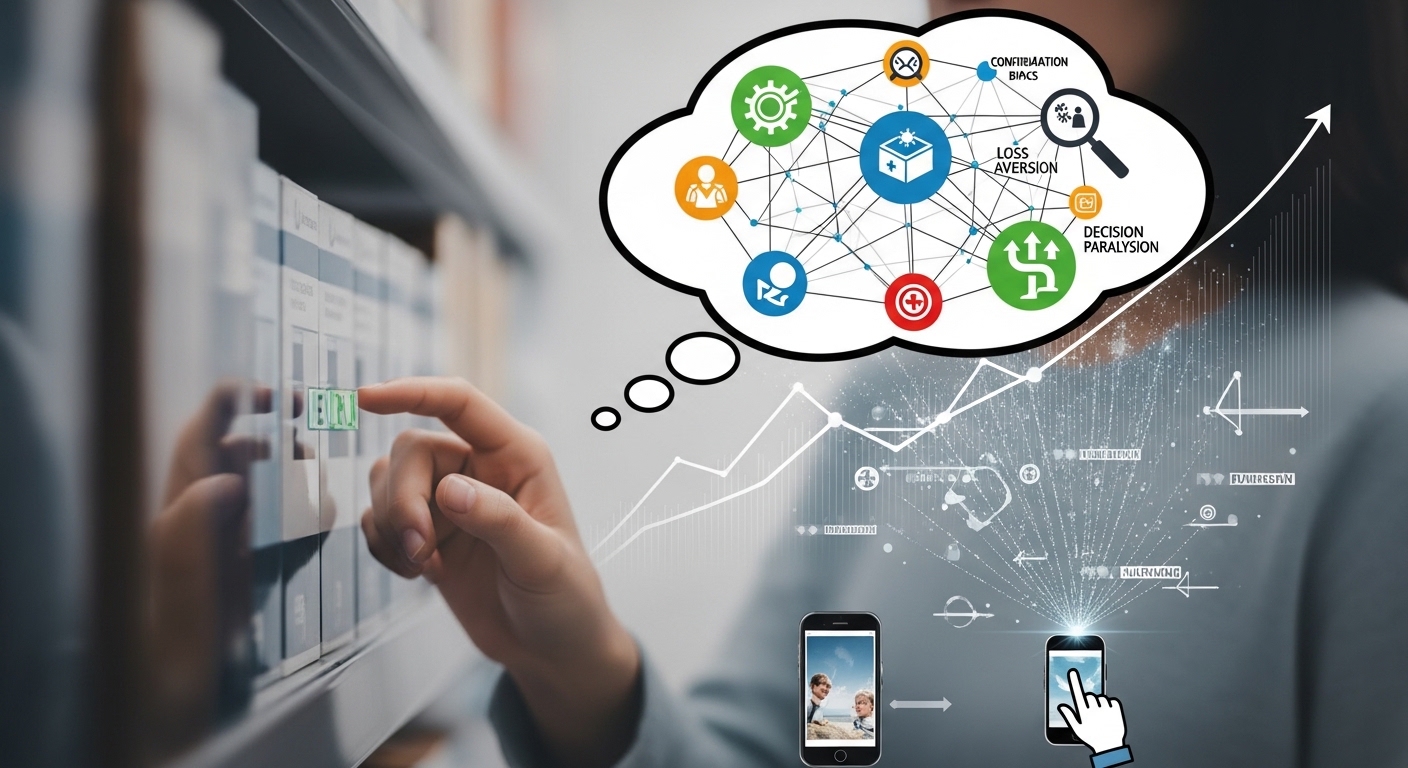
Behavioral economics is increasingly shaping how businesses understand and influence consumer decisions by integrating insights from psychology with traditional economic theory. Classical economics assumed that individuals make rational choices based on logic and self-interest. However, consumer psychology research shows that emotions, biases, and social influences often drive decision making and buying behavior. As economic trends evolve in digital markets, companies are applying behavioral economics principles to design products, marketing strategies, and pricing models that align with real human behavior. This approach is transforming how organizations engage customers and predict purchasing patterns in modern economies.
Understanding Behavioral Economics and Consumer Psychology
Behavioral economics examines how psychological factors affect economic choices, challenging the assumption of purely rational decision making. Consumer psychology explores motivations, perceptions, and emotional responses that influence buying behavior. Together, these fields explain why consumers sometimes make decisions that deviate from logical cost-benefit analysis.
Common behavioral economics concepts include cognitive biases, heuristics, and social influence. For example, individuals may prefer familiar brands due to perceived trust or choose products recommended by peers. Decision making is also affected by framing effects, where the way information is presented changes perception. By understanding these psychological drivers, businesses can design experiences that resonate with consumer preferences and expectations.
Role of Behavioral Economics in Marketing and Pricing Strategies
Behavioral economics plays a crucial role in shaping marketing and pricing strategies that align with consumer psychology. Pricing models often use psychological thresholds, such as ending prices with certain digits, to influence buying behavior. Limited-time offers and scarcity messaging leverage decision making biases that encourage immediate purchases.
Marketing campaigns also apply behavioral economics principles through storytelling, emotional appeal, and social proof. Reviews, testimonials, and influencer endorsements reinforce perceived value and trust. Economic trends in digital commerce have amplified these strategies, as online platforms allow personalized messaging based on consumer behavior data. By aligning strategies with psychological insights, businesses can improve engagement and conversion rates.
Impact on Consumer Decision Making and Buying Behavior
Behavioral economics significantly influences how consumers evaluate options and make purchasing decisions. Emotional responses often override purely rational analysis, leading individuals to prioritize perceived benefits, brand identity, or social approval. Decision making processes may involve shortcuts, where consumers rely on familiarity or recommendations rather than detailed evaluation.
Buying behavior is also shaped by contextual factors such as product placement, default options, and user experience design. For example, subscription services often use automatic renewal defaults that reduce friction in decision making. Economic trends show that digital interfaces increasingly incorporate behavioral economics principles to guide user choices subtly. These influences highlight how psychological insights shape everyday consumer decisions.
Comparison of Traditional Economic Model vs Behavioral Economics Approach
| Aspect | Traditional Economic Model | Behavioral Economics Approach |
|---|---|---|
| Decision Basis | Rational cost-benefit analysis | Consumer psychology influences |
| Buying Behavior | Logical and consistent | Bias-driven and contextual |
| Pricing Strategy | Objective value calculation | Psychological pricing techniques |
| Marketing Focus | Product features | Emotional and social appeal |
| Economic Trends | Predictable choices | Behaviorally influenced decisions |
Benefits for Businesses and Consumers
Behavioral economics provides significant benefits for businesses by improving understanding of consumer decision making. Companies can design products and services that align with real human behavior, enhancing satisfaction and loyalty. Marketing strategies based on consumer psychology are more effective because they resonate with emotional and cognitive drivers.
Consumers also benefit when behavioral insights improve usability and accessibility. For example, clear pricing, intuitive design, and helpful defaults simplify decision making. Behavioral economics can also support public policy initiatives such as encouraging healthy choices or sustainable behavior. By aligning economic trends with psychological understanding, both businesses and consumers experience improved outcomes.
Challenges and Ethical Considerations
Despite its advantages, applying behavioral economics raises ethical considerations. Influencing consumer decisions through psychological techniques can blur the line between persuasion and manipulation. Businesses must ensure transparency and fairness when using behavioral strategies in marketing or pricing.
Consumer privacy is another concern, especially in digital environments where behavior data is collected extensively. Ethical application of behavioral economics requires respecting autonomy and informed choice. Regulations and industry standards play a role in ensuring responsible use of psychological insights. Addressing these challenges ensures that behavioral economics contributes positively to markets and society.
Future Outlook of Behavioral Economics and Economic Trends
The future of behavioral economics is closely linked to advances in data analytics and digital technologies. Artificial intelligence and behavioral modeling may enable more precise predictions of consumer decision making. Economic trends suggest increasing personalization of products and services based on behavioral insights.
Behavioral economics is also expanding into areas such as public policy, financial planning, and sustainability initiatives. Governments and organizations use behavioral insights to design programs that encourage beneficial behaviors such as saving, health maintenance, or environmental responsibility. As interdisciplinary research continues, behavioral economics will remain a key framework for understanding and influencing human decisions in complex economic environments.
Final Thought
Behavioral economics is growing in influence because it integrates consumer psychology, decision making insights, and evolving economic trends to explain real-world buying behavior. By recognizing the emotional and cognitive factors behind choices, businesses and policymakers can design strategies that align with human behavior more effectively. As markets become increasingly digital and personalized, behavioral economics will remain essential for understanding consumer decisions and shaping more responsive economic systems.