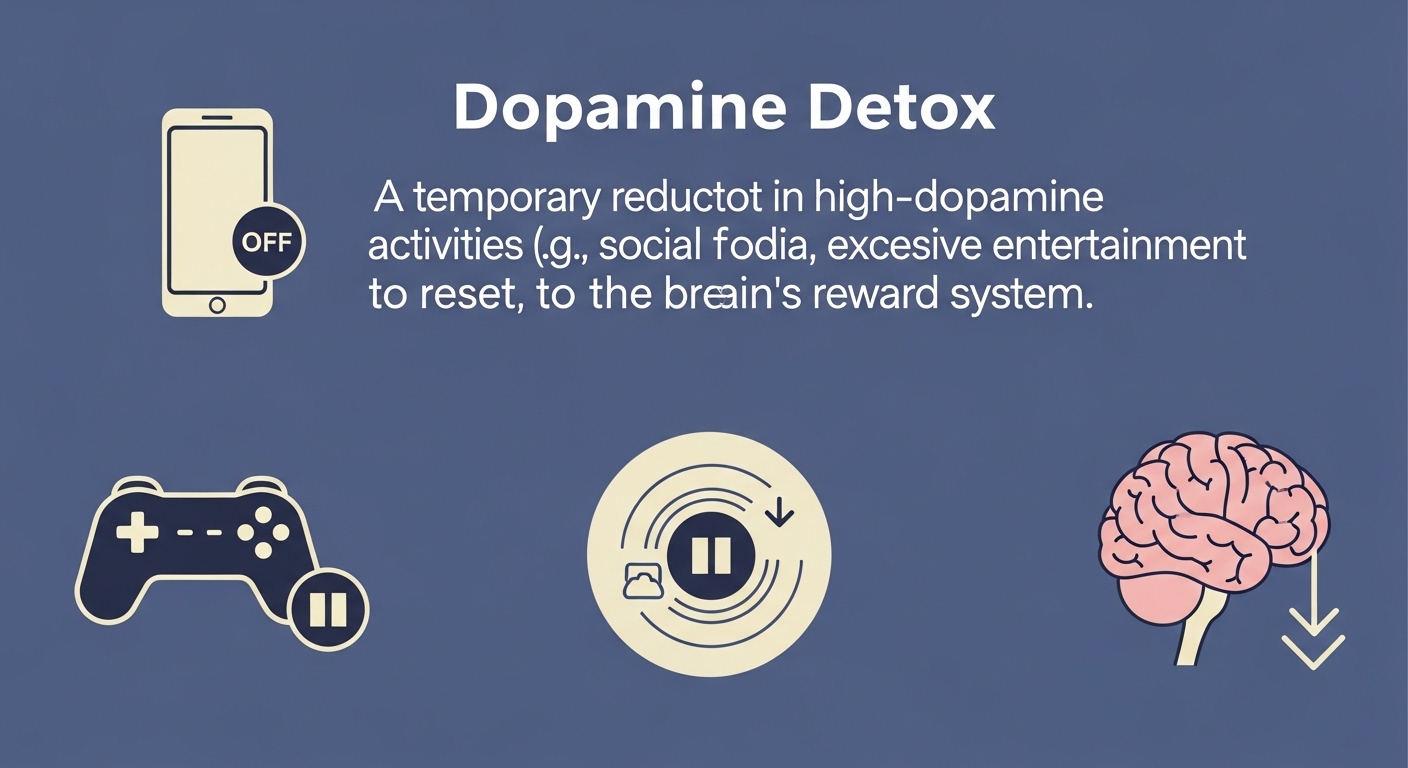
Dopamine detox has gained significant popularity as individuals seek greater mental clarity in an increasingly overstimulated world. Constant exposure to social media notifications, streaming platforms, online gaming, and digital entertainment has created environments where instant gratification becomes the norm. As a response, many people are embracing dopamine detox practices to reduce distractions and regain focus. This approach often involves intentional digital detox routines, structured productivity habits, and exercises aimed at improving self control. As awareness grows around attention fatigue and overstimulation, dopamine detox is emerging as a modern strategy for restoring balance and enhancing cognitive performance.
Understanding Dopamine Detox and Mental Clarity
Dopamine detox is based on the idea of reducing exposure to activities that trigger excessive dopamine release, such as constant scrolling, binge-watching, or gaming. While dopamine itself is a natural neurotransmitter responsible for motivation and reward, excessive stimulation may lead to reduced attention span and decreased satisfaction from everyday activities. The goal of dopamine detox is not to eliminate dopamine but to reset habits that rely heavily on instant rewards.
Mental clarity often improves when individuals limit high-stimulation activities and focus on mindful routines. Practices such as reading, journaling, walking, or engaging in offline hobbies help redirect attention toward meaningful experiences. By reducing digital distractions, dopamine detox encourages individuals to reconnect with tasks that require patience and sustained focus. This intentional shift supports clearer thinking and improved emotional regulation.
Role of Digital Detox in Modern Productivity Habits
Digital detox plays a central role in dopamine detox strategies. Many individuals choose to set specific time limits on social media use, disable non-essential notifications, or designate screen-free hours during the day. These steps create space for deeper concentration and healthier productivity habits.
Productivity habits built around reduced digital stimulation often include structured routines such as time-blocking, goal setting, and focused work sessions. By minimizing interruptions, individuals can achieve greater efficiency and satisfaction in their work. Self control becomes a key factor in maintaining these routines, as consistent effort is required to resist the temptation of quick digital rewards. As productivity culture evolves, dopamine detox practices align with the broader goal of achieving sustainable focus rather than constant multitasking.
Impact on Self Control and Emotional Well-Being
Dopamine detox influences self control by encouraging individuals to become more aware of their behavioral patterns. Recognizing triggers that lead to excessive screen time or impulsive habits is the first step toward change. By gradually reducing reliance on high-stimulation activities, individuals can strengthen discipline and build healthier routines.
Emotional well-being often improves when digital distractions are minimized. Mental clarity allows individuals to process thoughts and emotions more effectively. Without constant interruptions, people may experience greater creativity and deeper engagement in daily tasks. As a result, dopamine detox is increasingly viewed as a practical tool for enhancing both focus and overall psychological balance.
Comparison of High Stimulation Lifestyle vs Dopamine Detox Approach
| Aspect | High Stimulation Lifestyle | Dopamine Detox Approach |
|---|---|---|
| Screen Time | Frequent digital engagement | Structured digital detox periods |
| Attention Span | Short and fragmented | Improved mental clarity |
| Productivity Habits | Reactive multitasking | Focused and intentional routines |
| Self Control | Impulsive behavior patterns | Strengthened discipline |
| Emotional State | Overstimulated and distracted | Balanced and mindful |
Benefits for Mental Clarity and Long-Term Productivity
Dopamine detox offers several benefits that contribute to its rising popularity. One major advantage is enhanced mental clarity, as reducing distractions allows the brain to recover from overstimulation. Many individuals report improved concentration and greater satisfaction in completing tasks after implementing digital detox practices.
Long-term productivity habits also benefit from this approach. By creating boundaries around technology use, individuals can allocate more time to meaningful activities. Self control developed through dopamine detox often translates into other areas of life, including healthier eating, exercise consistency, and improved time management. This holistic impact reinforces the value of structured detox practices in achieving sustainable personal growth.
Challenges and Misconceptions
Despite its popularity, dopamine detox is sometimes misunderstood. Some people assume it requires complete avoidance of enjoyable activities, which can lead to unrealistic expectations. In reality, the goal is moderation and intentional use rather than total elimination of pleasure.
Consistency is another challenge, as maintaining digital detox routines requires ongoing commitment. Gradual adjustments are often more effective than sudden drastic changes. Individuals who approach dopamine detox with flexibility and realistic goals are more likely to experience lasting improvements in mental clarity and productivity habits.
Future Outlook of Dopamine Detox and Mindful Living
The future of dopamine detox practices is closely tied to growing awareness of digital well-being. As technology continues to advance, individuals are likely to seek strategies that promote balance rather than constant connectivity. Tools such as screen-time tracking apps and mindfulness programs may complement dopamine detox efforts.
Relaxation and focus trends suggest that mindful living will remain a priority in personal development. Dopamine detox aligns with this broader movement by encouraging intentional habits and thoughtful engagement with technology. As conversations around mental clarity and self control continue to expand, dopamine detox will likely remain a relevant and evolving strategy for navigating modern life.
Final Thought
Dopamine detox is trending for mental clarity because it addresses the challenges of overstimulation and constant digital engagement. By combining digital detox practices, structured productivity habits, and strengthened self control, individuals can regain focus and enhance emotional balance. As awareness of mental well-being grows, dopamine detox offers a practical pathway toward clearer thinking, sustainable productivity, and a more intentional approach to daily life.