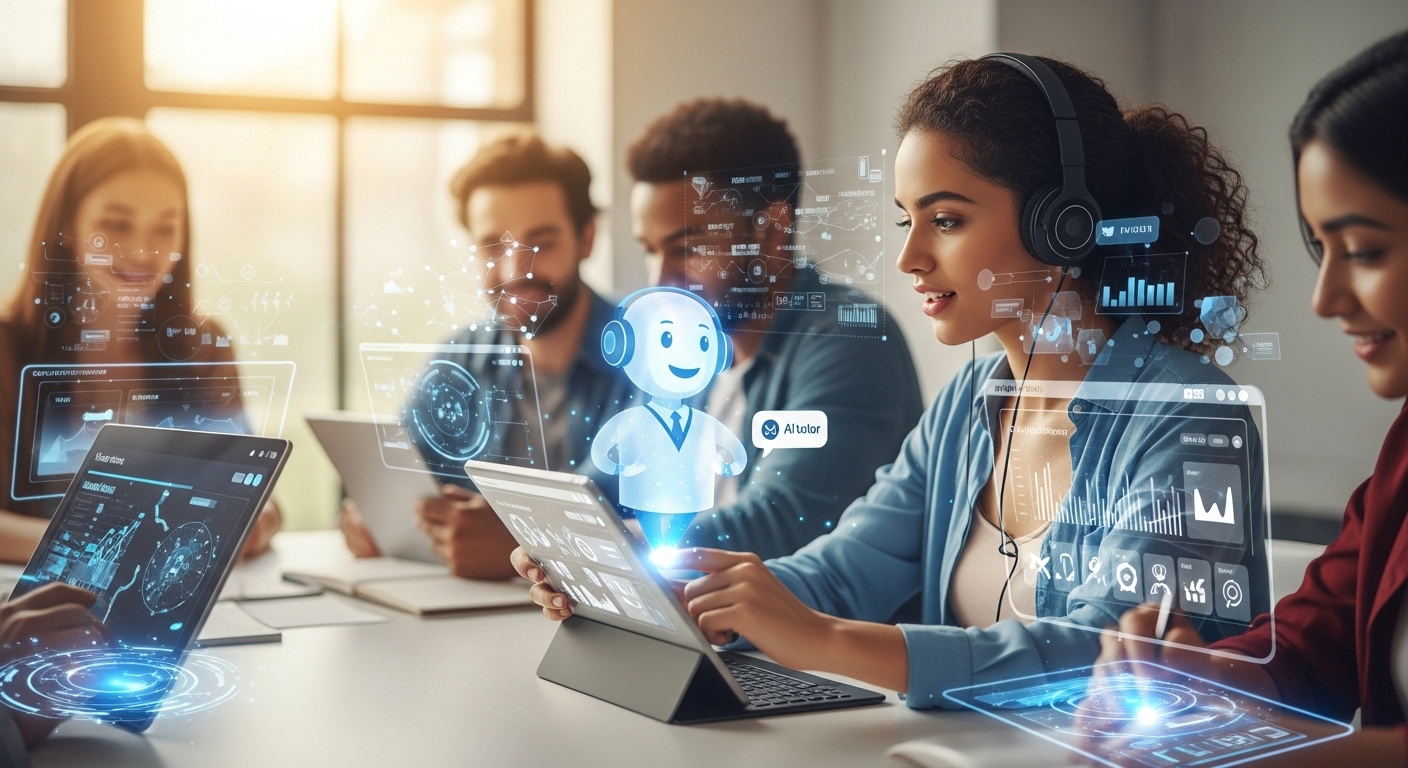
AI tutors are transforming online education by introducing personalized learning experiences tailored to individual students. As edtech trends continue to evolve, learners are moving away from one-size-fits-all teaching models toward adaptive systems that adjust content based on performance and progress. AI tutors use advanced algorithms to analyze student behavior, identify strengths and weaknesses, and recommend customized learning paths. This shift toward adaptive learning is reshaping how knowledge is delivered, making education more accessible, flexible, and effective for learners across the world.
Understanding AI Tutors and Adaptive Learning Systems
AI tutors are digital tools powered by artificial intelligence that simulate personalized teaching experiences. Unlike traditional online education platforms that present fixed lessons, adaptive learning systems adjust in real time based on how students interact with content. For example, if a learner struggles with a concept, AI tutors can provide additional explanations, practice exercises, or alternative teaching methods.
Personalized learning lies at the core of this technology. AI tutors analyze data such as quiz performance, response time, and engagement levels to create individualized study plans. This approach allows students to progress at their own pace while receiving targeted support. Adaptive learning environments also help reduce frustration by ensuring that lessons remain appropriately challenging rather than overwhelming.
Role of Edtech Trends in Shaping Online Education
Edtech trends are driving rapid innovation in how education is delivered and experienced. The integration of AI tutors into online education platforms reflects a broader movement toward technology-enhanced learning. Educational institutions and independent learners alike are adopting AI-powered tools to improve efficiency and accessibility.
One of the most significant benefits of AI tutors is their ability to provide continuous feedback. Students no longer need to wait for scheduled sessions with instructors to receive guidance. Instead, adaptive learning systems offer instant insights that help learners refine their skills and stay motivated. These advancements demonstrate how edtech trends are reshaping traditional education models and expanding opportunities for learners worldwide.
Impact on Student Engagement and Learning Outcomes
AI tutors are enhancing student engagement by creating interactive and personalized learning environments. Adaptive learning tools encourage active participation through quizzes, simulations, and gamified experiences that make studying more enjoyable. By tailoring lessons to individual needs, AI tutors help students stay focused and maintain consistent progress.
Learning outcomes also improve when students receive immediate feedback and support. Personalized learning pathways allow learners to revisit challenging topics and reinforce understanding before moving forward. Online education platforms that incorporate AI tutors often report higher completion rates and improved performance, highlighting the potential of adaptive learning technologies to transform educational experiences.
Comparison of Traditional Online Learning vs AI Tutor Driven Learning
| Aspect | Traditional Online Education | AI Tutor Driven Learning |
|---|---|---|
| Lesson Structure | Fixed curriculum | Adaptive learning pathways |
| Feedback Speed | Delayed instructor response | Instant AI tutor feedback |
| Personalization | Limited personalized learning | Highly customized experiences |
| Engagement | Passive video-based lessons | Interactive edtech trends tools |
| Progress Tracking | Basic analytics | Advanced performance insights |
Benefits for Students and Educators
AI tutors provide numerous advantages for both learners and educators. Students benefit from personalized learning experiences that adapt to their pace and learning style. Adaptive learning tools reduce the pressure of keeping up with rigid schedules, allowing learners to focus on mastering concepts rather than meeting arbitrary deadlines.
Educators also gain valuable insights from AI-powered analytics. Online education platforms equipped with AI tutors can identify patterns in student performance, helping instructors design more effective teaching strategies. By automating routine tasks such as grading and progress monitoring, edtech trends enable educators to dedicate more time to mentoring and creative instruction.
Challenges and Ethical Considerations
Despite their benefits, AI tutors present challenges that require careful consideration. One concern involves ensuring that technology complements human teaching rather than replacing it entirely. While adaptive learning systems provide valuable support, human interaction remains essential for fostering critical thinking and emotional connection.
Data privacy is another important factor, as personalized learning relies on collecting detailed information about student behavior. Online education platforms must implement transparent policies and secure data practices to maintain trust. Additionally, ensuring equal access to AI tutors is crucial for preventing disparities in educational opportunities.
Future Outlook of AI Tutors and Online Education
The future of AI tutors looks promising as edtech trends continue to push the boundaries of innovation. Emerging technologies such as natural language processing and immersive virtual environments may create more interactive and engaging learning experiences. Adaptive learning systems could evolve to provide real-time coaching, collaborative learning opportunities, and cross-platform integration.
Educational institutions are increasingly exploring hybrid models that combine traditional teaching with AI-powered support. This balanced approach allows students to benefit from personalized learning while maintaining meaningful connections with educators and peers. As online education expands globally, AI tutors will play a central role in shaping the future of learning.
Final Thought
AI tutors are personalizing online learning experiences by combining adaptive learning technology, evolving edtech trends, and innovative personalized learning strategies. By offering tailored support, real-time feedback, and flexible online education pathways, these tools empower students to achieve their goals more effectively. As technology continues to transform education, AI tutors will remain a driving force in creating more inclusive, engaging, and impactful learning environments.