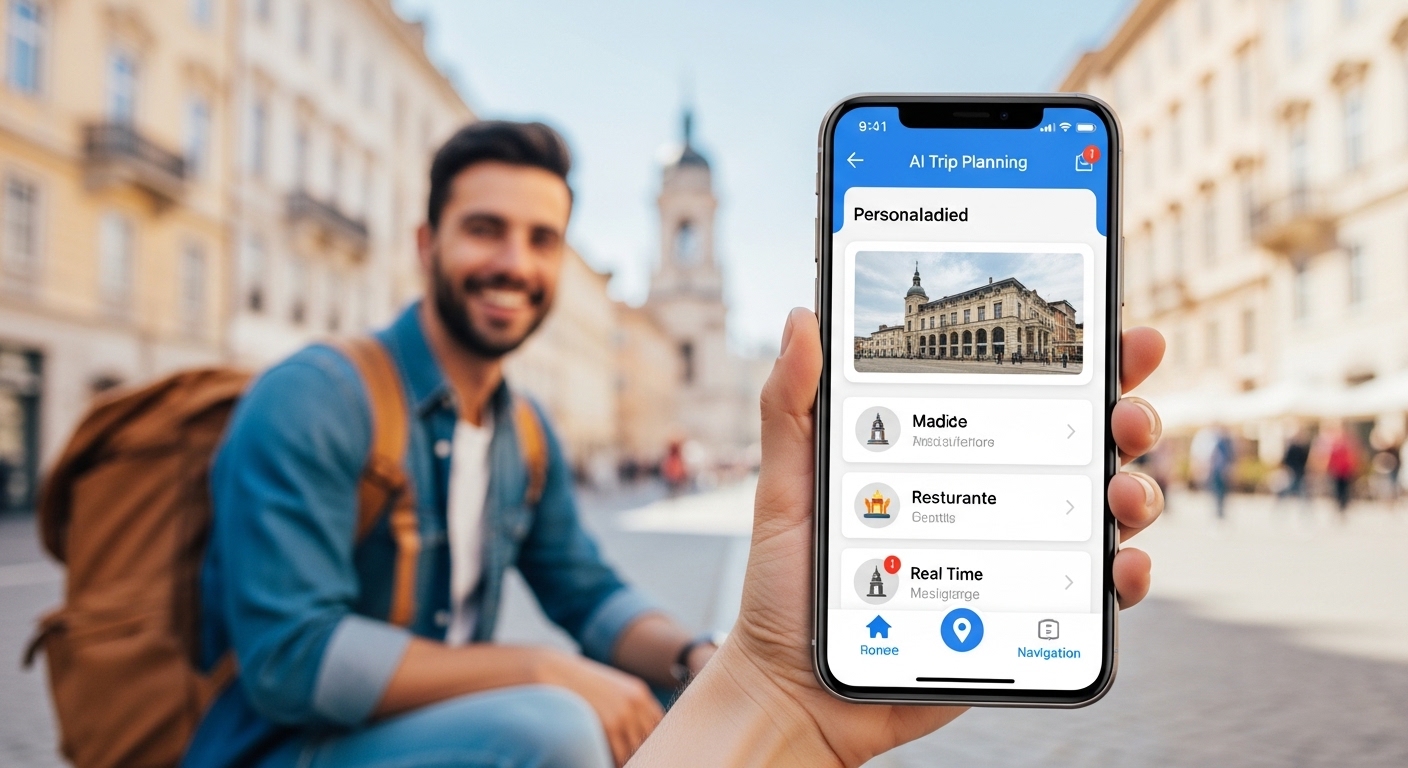
AI trip planning apps are transforming the way people organize and experience travel. Instead of spending hours comparing flights, researching destinations, and building itineraries manually, travelers can now rely on intelligent tools that analyze preferences and provide personalized recommendations. As smart travel becomes more popular, travel technology is evolving to simplify decision-making while enhancing the overall travel experience. These innovations reflect broader tourism trends where convenience, customization, and digital integration play a central role in shaping modern journeys.
Understanding AI Trip Planning Apps and Travel Technology
AI trip planning apps use advanced algorithms and data analysis to help travelers create customized travel plans. These itinerary apps gather information such as travel dates, budget, interests, and preferred activities to generate detailed suggestions within seconds. By combining data from airlines, hotels, local attractions, and user reviews, travel technology platforms can provide comprehensive travel solutions in a single interface.
Unlike traditional travel planning methods that rely on manual research, AI trip planning apps learn from user behavior and refine recommendations over time. This allows travelers to receive increasingly accurate suggestions based on past trips and evolving preferences. The integration of artificial intelligence into travel technology not only saves time but also introduces a new level of personalization that enhances the travel planning process.
Role of Smart Travel in Modern Tourism Trends
Smart travel represents a shift toward technology-driven travel experiences where convenience and efficiency are prioritized. AI trip planning apps support this trend by offering features such as automated booking suggestions, real-time updates, and dynamic itinerary adjustments. For example, if a flight is delayed or weather conditions change, itinerary apps can recommend alternative activities or adjust schedules automatically.
Tourism trends are increasingly influenced by digital innovation. Travelers today expect seamless experiences that integrate transportation, accommodation, and local exploration into one cohesive plan. AI-powered travel technology meets these expectations by acting as a virtual assistant that guides users throughout their journey. As smart travel continues to evolve, AI trip planning apps are becoming essential tools for both casual vacationers and frequent travelers.
Impact on Travel Experiences and Decision Making
AI trip planning apps are reshaping travel experiences by reducing the complexity of planning and allowing travelers to focus more on exploration. Personalized recommendations help users discover hidden attractions, local cuisine, and unique cultural experiences that may not appear in traditional travel guides. This level of customization encourages travelers to explore destinations more deeply while aligning activities with their interests.
Decision-making becomes easier when travelers have access to real-time insights and predictive suggestions. Travel technology platforms analyze data such as seasonal trends, crowd levels, and pricing patterns to recommend optimal travel times and routes. This data-driven approach enhances confidence and reduces uncertainty, enabling travelers to make informed choices that improve their overall journey.
Comparison of Traditional Travel Planning vs AI Trip Planning Apps
| Aspect | Traditional Travel Planning | AI Trip Planning Apps |
|---|---|---|
| Research Time | Hours of manual searching | Instant smart travel suggestions |
| Personalization | Limited customization | AI-driven itinerary apps |
| Updates | Static plans | Real-time travel technology adjustments |
| Decision Making | User-driven research | Data-backed recommendations |
| Tourism Trends | Standard travel guides | Dynamic digital experiences |
Benefits for Travelers and the Tourism Industry
AI trip planning apps provide numerous benefits for travelers by simplifying complex processes and enhancing convenience. Automated itinerary creation saves time, while smart travel features help users stay organized throughout their journey. These apps also support budget management by suggesting cost-effective options for transportation and accommodation.
For the tourism industry, AI-powered travel technology offers valuable insights into traveler behavior. Data collected from itinerary apps helps businesses understand tourism trends, enabling them to tailor services to evolving customer preferences. Hotels, tour operators, and local attractions can use this information to create more personalized experiences, strengthening connections between travelers and destinations.
Challenges and Considerations
Despite their advantages, AI trip planning apps present certain challenges. Over-reliance on technology may reduce spontaneity, as travelers might follow algorithm-generated plans without exploring beyond recommendations. Privacy concerns also arise when apps collect personal data to deliver customized suggestions. Ensuring secure data handling and transparent policies is essential for maintaining trust.
Another consideration is balancing automation with human expertise. While travel technology offers efficiency, some travelers still value the insights and emotional connection provided by traditional travel agents or local guides. Combining AI-driven planning with human creativity can create richer and more meaningful travel experiences.
Future Outlook of AI Trip Planning Apps and Smart Travel
The future of AI trip planning apps looks promising as travel technology continues to advance. Emerging features such as voice-based planning, immersive virtual previews, and predictive itinerary adjustments are likely to enhance the smart travel experience. As tourism trends evolve, AI-powered platforms may integrate with augmented reality and location-based services to provide real-time guidance during trips.
Travel companies are also exploring ways to use AI to promote sustainable tourism by recommending eco-friendly accommodations and activities. These innovations reflect a growing awareness of responsible travel practices that align with modern traveler values. As AI trip planning apps become more sophisticated, they will play an increasingly important role in shaping how people explore the world.
Final Thought
AI trip planning apps are changing travel experiences by combining smart travel solutions, advanced travel technology, and evolving tourism trends into a seamless digital journey. By offering personalized recommendations, real-time updates, and intelligent itinerary apps, these tools empower travelers to explore destinations with greater confidence and convenience. As innovation continues to shape the travel industry, AI trip planning apps will remain a key driver of more connected, efficient, and personalized travel experiences.