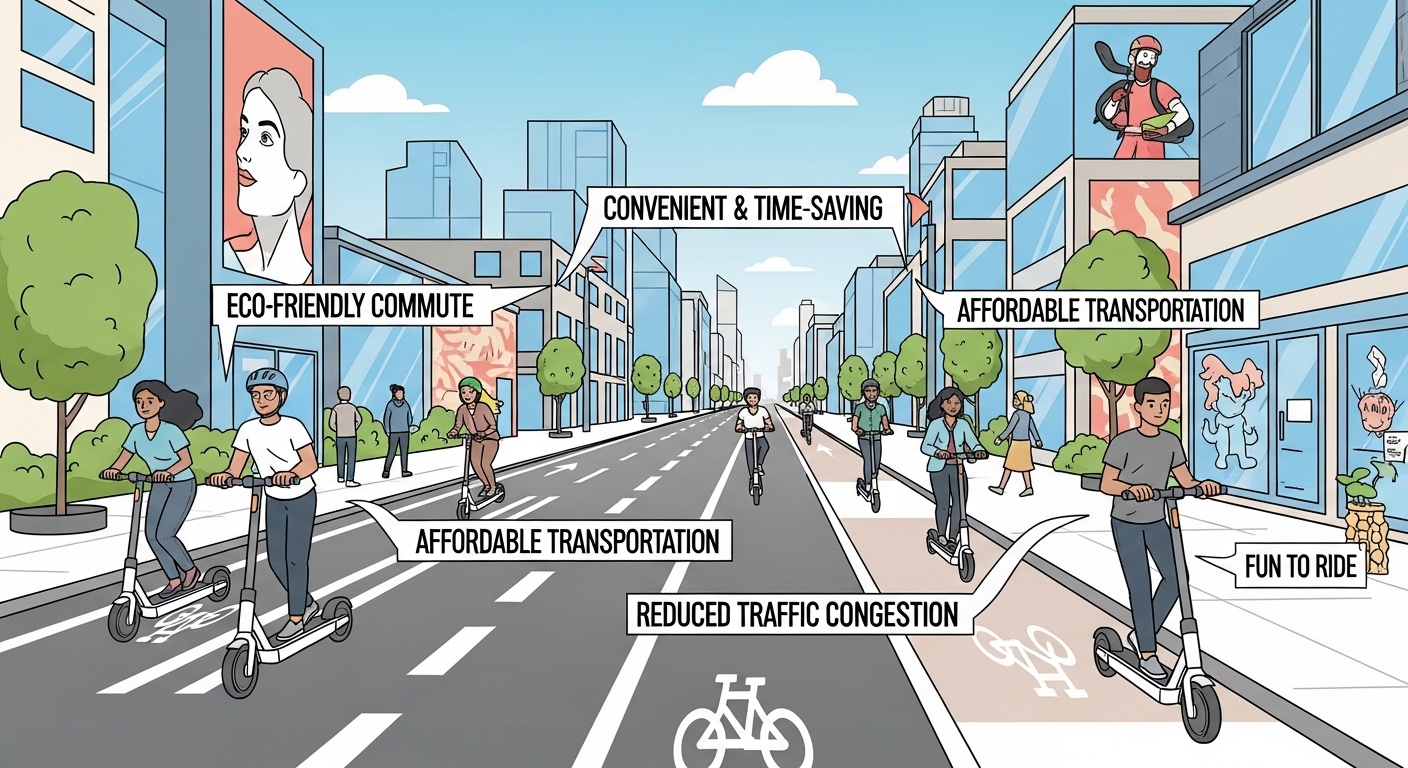
Electric scooters are quickly becoming a common sight in modern cities, reflecting a shift toward smarter and more sustainable urban mobility solutions. As populations grow and traffic congestion increases, city residents are searching for efficient alternatives to traditional transportation methods. E scooters offer a compact, eco-friendly way to navigate crowded streets while reducing reliance on cars and public transport. This growing interest highlights broader trends in green transport and city travel, where convenience, sustainability, and innovation play a key role in shaping how people move through urban environments.
Understanding Electric Scooters and Urban Mobility
Electric scooters are lightweight, battery-powered vehicles designed for short-distance travel within urban areas. They are often used for commuting, running errands, or connecting to other forms of transportation such as buses and trains. As urban mobility evolves, e scooters are emerging as a practical solution for the “last mile” problem, helping individuals complete short journeys quickly and efficiently.
Urban mobility strategies now focus on reducing traffic congestion and improving accessibility. Electric scooters contribute to these goals by offering flexible travel options that do not require extensive infrastructure. Many cities have introduced shared e scooter programs that allow users to rent vehicles through mobile apps, making city travel more convenient and accessible for residents and visitors alike.
Role of Green Transport in Sustainable Cities
Green transport initiatives aim to reduce environmental impact by promoting low-emission or emission-free transportation methods. Electric scooters align with these goals by operating on rechargeable batteries instead of fossil fuels. Compared to traditional vehicles, e scooters produce fewer emissions and contribute less noise pollution, supporting efforts to create cleaner urban environments.
Cities around the world are investing in green transport solutions as part of broader sustainability strategies. Bike lanes, pedestrian-friendly streets, and dedicated scooter zones are becoming more common, encouraging people to choose environmentally friendly modes of travel. Electric scooters also promote energy efficiency, as they require less power to operate compared to larger vehicles. This makes them an appealing option for individuals who want to reduce their carbon footprint while enjoying convenient city travel.
Impact of E Scooters on City Travel and Lifestyle
E scooters are transforming city travel by offering a faster and more flexible alternative to walking or driving short distances. For many urban residents, electric scooters reduce commute times and eliminate the need to search for parking spaces. This convenience has made them particularly popular among young professionals and students who value efficiency and independence.
The rise of e scooters also reflects changing lifestyle preferences. People are increasingly seeking transportation options that align with active and sustainable living. Electric scooters encourage outdoor movement while maintaining the convenience of motorized travel. As urban mobility continues to evolve, e scooters are becoming an integral part of daily life in many cities, shaping how people interact with their surroundings.
Comparison of Traditional Transport vs Electric Scooters
| Aspect | Traditional Urban Transport | Electric Scooters |
|---|---|---|
| Environmental Impact | Higher emissions | Supports green transport goals |
| Flexibility | Fixed routes or heavy traffic | Easy navigation through city travel |
| Parking Needs | Requires parking space | Compact and portable |
| Cost Efficiency | Fuel and maintenance costs | Lower operational expenses |
| Urban Mobility Role | Long-distance travel | Ideal for short urban trips |
Benefits and Challenges of Electric Scooter Adoption
Electric scooters offer several benefits that contribute to their rising popularity. They provide a cost-effective transportation option, especially for short commutes where traditional vehicles may be impractical. E scooters also promote time efficiency by allowing riders to bypass traffic congestion and navigate narrow city streets with ease. For many users, the ability to combine e scooters with other forms of transport creates a seamless urban mobility experience.
However, challenges remain. Safety concerns, infrastructure limitations, and regulatory issues can affect how electric scooters are integrated into city environments. Some cities are working to establish clear guidelines for scooter usage, including speed limits, parking rules, and designated riding areas. Addressing these challenges is essential to ensure that electric scooters contribute positively to urban mobility without creating new risks.
Influence of Technology on Electric Scooter Growth
Advancements in technology have played a significant role in the expansion of e scooters. Modern electric scooters feature improved battery life, enhanced safety systems, and smart connectivity through mobile applications. Riders can track routes, monitor battery levels, and access navigation tools directly from their devices, making city travel more intuitive.
Technology also supports the growth of shared scooter services, which use GPS tracking and data analytics to manage fleets efficiently. These innovations allow companies and cities to monitor usage patterns and adjust services based on demand. As green transport solutions continue to evolve, technological integration will remain a driving force behind the success of electric scooters in urban environments.
Future Outlook of Electric Scooters in Urban Mobility
The future of electric scooters looks promising as cities continue to invest in sustainable transportation infrastructure. Urban planners are exploring ways to integrate e scooters into broader mobility networks that include public transit, cycling routes, and pedestrian zones. This interconnected approach aims to create seamless city travel experiences while reducing reliance on cars.
As awareness of environmental issues grows, electric scooters are likely to remain a key component of green transport initiatives. Innovations such as swappable batteries, improved safety features, and enhanced durability may further increase adoption rates. Over time, e scooters could become a standard part of urban mobility systems, supporting more efficient and environmentally conscious city living.
Final Thought
Electric scooters are gaining popularity in cities because they offer a practical blend of convenience, sustainability, and innovation. By supporting urban mobility, promoting green transport, and transforming city travel experiences, e scooters represent a forward-thinking approach to modern transportation challenges. As technology and infrastructure continue to evolve, electric scooters are set to play an increasingly important role in shaping the future of urban living.