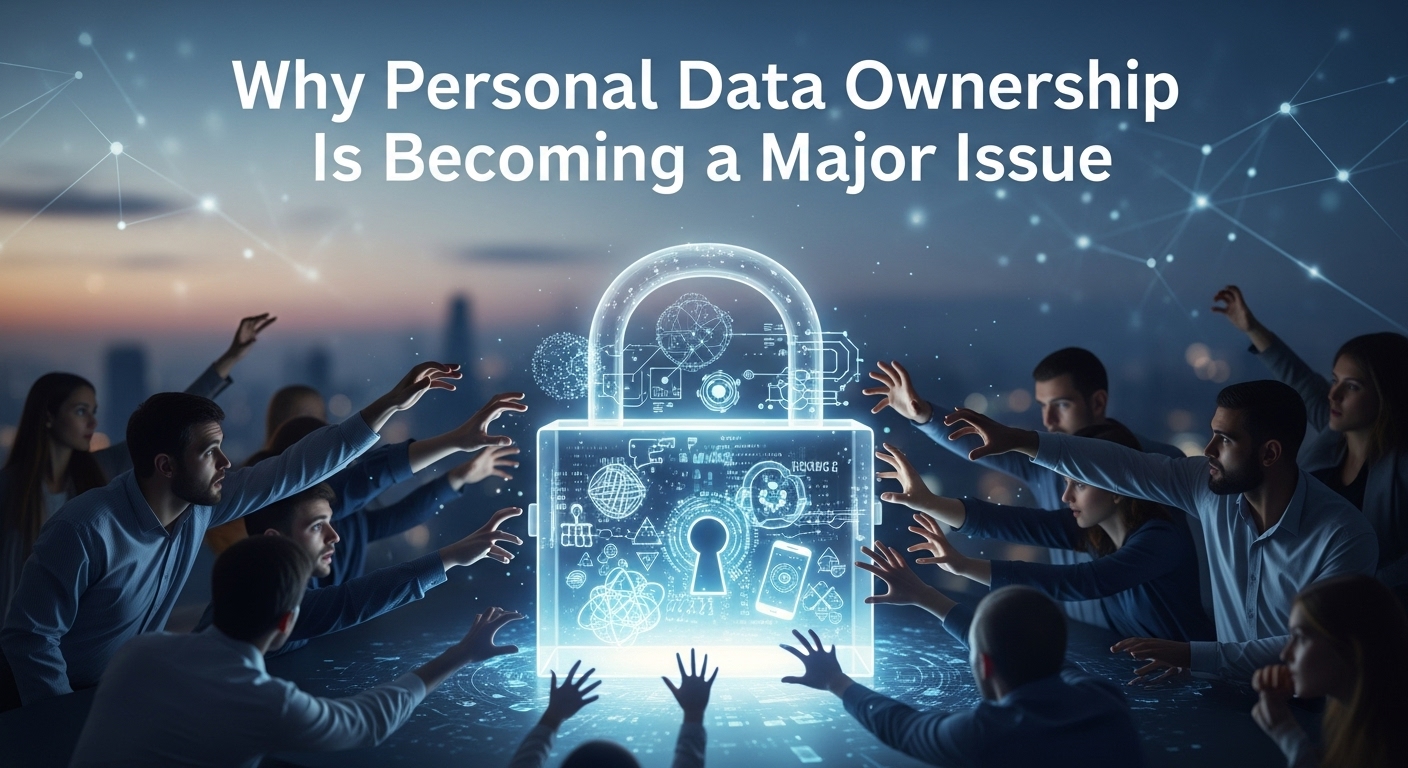
Personal data ownership has become one of the most important digital concerns of the modern era. Every online interaction, from social media usage to online shopping, generates data that is collected, stored, and analyzed. As technology advances, individuals are increasingly questioning who truly owns this data and how it is being used. Growing awareness of online privacy risks and data misuse has turned personal data ownership into a global issue affecting individuals, businesses, and governments alike.
Understanding Personal Data Ownership in the Digital Age
Personal data ownership refers to the idea that individuals should have control over their own information. This includes personal identifiers, behavioral data, location history, and online preferences. In today’s digital ecosystem, this data is often collected automatically without users fully understanding its scope or value. While platforms benefit from monetizing user data, individuals frequently lack transparency and control, creating an imbalance that fuels privacy concerns.
Role of Data Rights and Privacy Laws
Data rights and privacy laws aim to restore balance by protecting individuals from unauthorized data use. Regulations give users rights such as access, correction, deletion, and consent control over their data. However, enforcement varies across regions, and many users remain unaware of their rights. As privacy laws evolve, businesses are forced to reassess how they collect and manage data, making compliance a growing operational challenge.
Digital Identity and Its Growing Importance
A digital identity is formed by the data trail individuals leave behind online. This identity influences credit decisions, job opportunities, targeted advertising, and even access to services. Without clear personal data ownership, digital identities can be manipulated, sold, or breached. The lack of ownership increases the risk of identity theft, misinformation, and loss of autonomy, making digital identity protection a critical concern.
Online Privacy Challenges and Corporate Responsibility
Online privacy faces constant threats from data breaches, unauthorized sharing, and invasive tracking technologies. Companies often collect more data than necessary, increasing exposure to security risks. Ethical data handling and transparent policies are becoming essential for maintaining consumer trust. Organizations that prioritize responsible data practices are more likely to build long-term relationships with privacy-conscious users.
Comparison of Data Control Models
| Aspect | Platform-Controlled Data | User-Owned Data |
|---|---|---|
| Data Access | Controlled by companies | Controlled by individuals |
| Transparency | Limited visibility | Full data visibility |
| Consent | Often implied or hidden | Explicit user consent |
| Security Risk | High centralized risk | Reduced exposure |
| Trust Level | Decreasing over time | Higher user confidence |
Future of Personal Data Ownership
The future of personal data ownership lies in user-centric models and decentralized technologies. Solutions such as consent-based platforms, data wallets, and stronger authentication systems are gaining attention. As awareness increases, users are demanding greater control over their data. Businesses that adapt early by respecting data rights and enhancing online privacy will gain competitive advantages in a trust-driven digital economy.
Final Thought
Personal data ownership is no longer a niche concern but a fundamental digital right. As privacy laws strengthen and digital identity becomes more influential, individuals and organizations must rethink how data is handled. Empowering users with control and transparency will define the next phase of responsible digital growth.