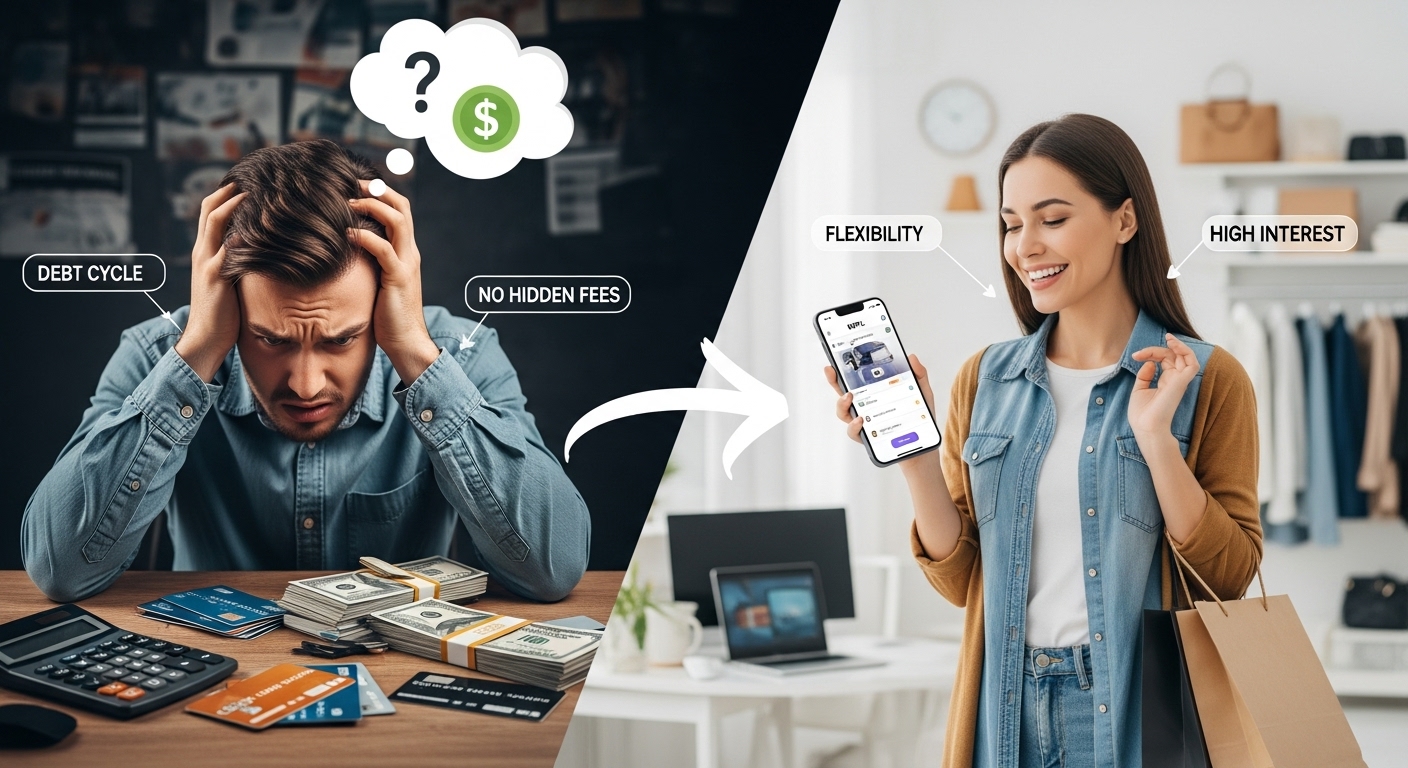
Buy now pay later has quickly become one of the most noticeable shifts in modern consumer finance. As shopping habits move online and digital payments become the norm, people are seeking flexible ways to manage purchases without relying on traditional credit cards. The buy now pay later model allows consumers to split payments into smaller installments, often without immediate interest. This convenience aligns well with changing spending behavior, especially among younger consumers. The rapid growth of the BNPL trend reflects broader changes in how people view debt, budgeting, and financial control in a fast-paced digital economy.
Understanding Buy Now Pay Later and the BNPL Trend
Buy now pay later is a payment option that lets consumers purchase products immediately and pay for them over time through scheduled installments. The BNPL trend has grown alongside e-commerce and mobile shopping, making checkout faster and more accessible. Unlike traditional loans, buy now pay later services are typically embedded directly into online shopping platforms. This seamless integration reduces friction at checkout and increases purchase confidence. The BNPL trend appeals to consumers who want transparency, predictable payments, and short-term flexibility without complex credit processes.
Role of Digital Payments in BNPL Adoption
Digital payments have played a critical role in accelerating the adoption of buy now pay later. As consumers become comfortable with mobile apps, online banking, and contactless transactions, installment-based payments feel natural. Digital payment infrastructure allows instant approval, automated billing, and real-time tracking. Buy now pay later fits smoothly into this ecosystem by offering quick decisions and simple interfaces. The combination of digital payments and BNPL creates a user-friendly experience that aligns with modern shopping expectations.
Buy Now Pay Later and Changing Consumer Finance Behavior
Consumer finance behavior is evolving as people prioritize cash flow management over traditional credit use. Buy now pay later supports this shift by offering short-term financing without long-term debt commitments. Many consumers use BNPL options to spread expenses across pay cycles, making budgeting easier. This approach feels more controlled than revolving credit balances. As awareness of interest costs grows, buy now pay later is seen as a practical alternative for managing everyday purchases and occasional larger expenses.
Why Consumers Prefer Buy Now Pay Later Over Credit Cards
Buy now pay later offers several advantages over traditional credit cards. Installment plans are clear and time-bound, reducing uncertainty. Many BNPL services advertise no interest when payments are made on time, which appeals to cost-conscious shoppers. The approval process is often simpler and faster than applying for credit cards. Buy now pay later also avoids the long-term debt accumulation associated with revolving credit. These factors contribute to growing consumer preference for BNPL options in everyday spending.
Comparison Between Buy Now Pay Later and Traditional Credit
| Payment Aspect | Buy Now Pay Later | Traditional Credit Cards |
|---|---|---|
| Payment structure | Fixed installments | Revolving balance |
| Approval process | Instant and simple | Credit-based application |
| Interest model | Often zero short-term | Ongoing interest |
| Budget control | High transparency | Variable payments |
| Checkout experience | Seamless | Separate process |
Impact of Buy Now Pay Later on Shopping Behavior
Buy now pay later influences shopping behavior by lowering perceived purchase barriers. Consumers feel more comfortable making purchases when costs are divided into manageable payments. This can increase average order values and encourage planned spending. However, it also requires responsible use to avoid overcommitment. The BNPL trend highlights how payment flexibility shapes purchasing decisions and consumer confidence in digital marketplaces.
Benefits of Buy Now Pay Later for Consumers
Buy now pay later provides several consumer benefits beyond convenience. It improves cash flow management and allows better alignment of expenses with income. Consumers can make necessary purchases without delaying due to budget constraints. BNPL options often include clear reminders and payment schedules, supporting financial awareness. For many users, buy now pay later offers a sense of control and predictability in consumer finance.
Challenges and Risks Associated With Buy Now Pay Later
Despite its advantages, buy now pay later carries potential risks. Easy access to installment payments may encourage overspending. Missing payments can result in fees or negative financial consequences. Not all consumers fully understand terms and conditions. Responsible use and clear communication are essential to minimize risks. Consumer finance education plays an important role in ensuring that buy now pay later remains a helpful tool rather than a source of financial strain.
Buy Now Pay Later and Retailer Advantages
Retailers benefit significantly from offering buy now pay later options. BNPL services can increase conversion rates and reduce cart abandonment. Customers are more likely to complete purchases when payment flexibility is available. Retailers also receive payments upfront from BNPL providers, reducing financial risk. The BNPL trend has become a competitive necessity for many online businesses seeking to meet consumer expectations in digital payments.
Regulation and Consumer Protection Considerations
As buy now pay later grows, regulators are paying closer attention to consumer protection. Transparency, fair lending practices, and clear disclosures are becoming priorities. Regulation aims to ensure that BNPL services operate responsibly within the broader consumer finance system. Balanced oversight supports trust and long-term sustainability. Clear rules help protect consumers while allowing innovation in digital payments.
Buy Now Pay Later and Financial Inclusion
Buy now pay later can support financial inclusion by offering alternatives to traditional credit. Some consumers who lack access to credit cards can still use BNPL services. This expands participation in digital commerce. However, inclusion must be paired with education and safeguards. When implemented responsibly, buy now pay later can provide access without increasing financial vulnerability.
Long Term Impact on Consumer Finance
The long-term impact of buy now pay later includes changes in how consumers approach debt and budgeting. Short-term installment models may replace revolving credit for certain purchases. Consumer finance systems will likely integrate more flexible and transparent payment options. The BNPL trend signals a move toward user-centered financial products designed around real spending habits.
Future Outlook of the Buy Now Pay Later Trend
The future of buy now pay later looks strong as digital payments continue to evolve. Innovation will focus on improved transparency, better integration with budgeting tools, and enhanced consumer protection. As competition grows, services may expand beyond retail into travel, education, and services. The BNPL trend is expected to mature into a standard payment option within consumer finance ecosystems.
Final Thought
Buy now pay later is gaining popularity because it offers flexibility, transparency, and control in modern consumer finance. Supported by digital payments and the growing BNPL trend, this model aligns with how people shop and manage money today. While responsible use is essential, the benefits of predictable installments and simplified access are clear. As financial habits continue to evolve, buy now pay later is shaping a more flexible and consumer-focused approach to spending and payments.